Agile in 2026 is no longer defined simply by standups, sprints, and sticky notes. Mature organizations now treat Agile as a broader operating model for delivering digital products, managing uncertainty, and improving business outcomes. The most successful teams combine proven Agile principles with measurable governance, automation, AI-assisted planning, and stronger product thinking.
TLDR: In 2026, Agile is becoming more data-driven, product-focused, and closely connected to business value. Teams are using frameworks such as Scrum, Kanban, SAFe, and LeSS alongside AI-enabled tools to improve planning, forecasting, and delivery visibility. For example, a software team that reduces sprint carryover from 35% to 15% by using better backlog refinement and automated workflow analytics can release more predictably without increasing headcount. The strongest Agile organizations are not “doing Agile ceremonies”; they are continuously improving how work flows from idea to customer impact.
What Agile Means in 2026
Agile methodology remains grounded in the Agile Manifesto: individuals and interactions, working software, customer collaboration, and responding to change. However, the practical application has evolved. In 2026, Agile is less about following a single textbook process and more about designing a delivery system that fits the organization’s products, risks, compliance needs, and team structure.
Agile teams today are expected to answer harder questions: Are we delivering outcomes or just completing tickets? Are dependencies visible? Is technical debt being managed? Are customers seeing measurable value? This shift has moved Agile from a team-level practice into a strategic capability.
Latest Agile Practices
1. Outcome-based planning is one of the most important changes. Instead of measuring success only by velocity or story points, teams increasingly track business outcomes such as conversion rate, customer retention, cycle time, defect reduction, or revenue impact. Objectives and Key Results, known as OKRs, are often used to connect product work with company priorities.
2. Dual-track Agile has become more common in product-led organizations. Discovery and delivery run in parallel: one stream validates problems, prototypes, and user needs, while the other builds and releases tested solutions. This reduces the risk of building features that customers do not need.
3. Continuous delivery and DevOps integration are now expected in serious Agile environments. Agile planning without automated testing, reliable deployment pipelines, and observability often leads to slow releases. High-performing teams integrate Agile with CI/CD, feature flags, automated quality checks, and production monitoring.
4. Lean portfolio management is gaining ground as executives demand better visibility into investment decisions. Rather than approving large annual project plans, organizations fund persistent product teams and review progress based on value, risk, and learning.
5. Stronger attention to team health is also visible. Burnout, meeting overload, and “performative Agile” have pushed many organizations to simplify ceremonies, protect focus time, and measure sustainable pace. Agile maturity is increasingly judged by delivery confidence and team resilience, not by the number of rituals performed.
Key Agile Frameworks in Use
Scrum remains the most widely recognized Agile framework. Its structured roles, events, and artifacts make it particularly useful for teams that need a regular cadence for planning, review, and improvement. In 2026, many Scrum teams are placing more emphasis on product goals, refinement quality, and measurable sprint outcomes.
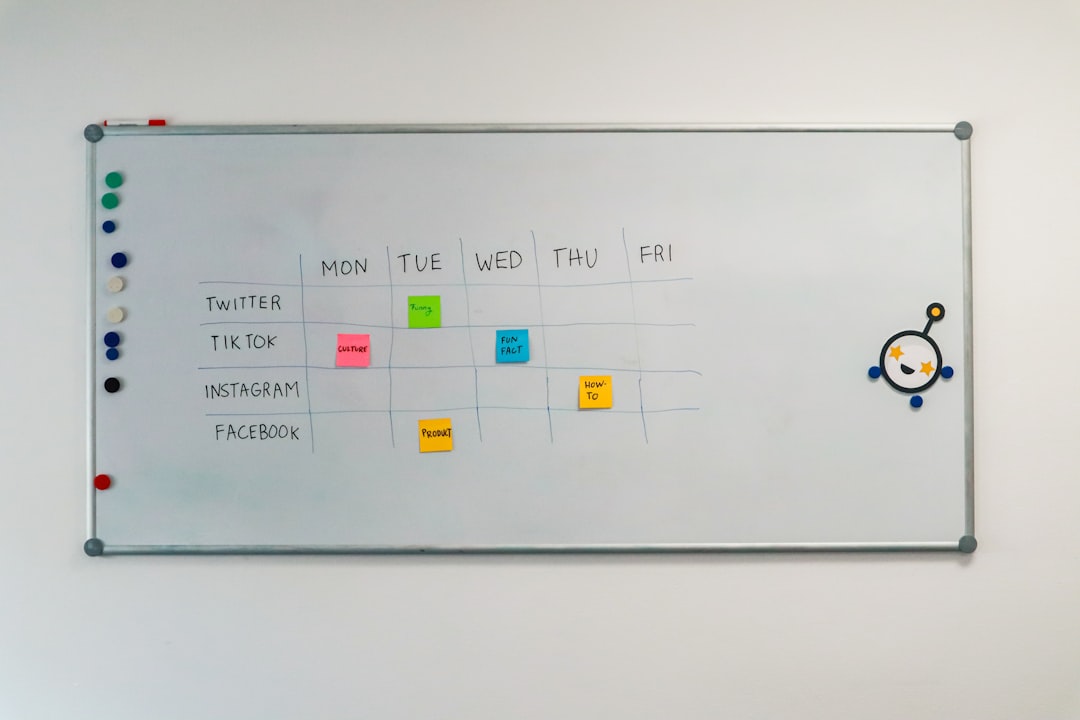
Kanban is highly effective for operational, support, platform, and DevOps teams where work arrives continuously. Its focus on visualizing work, limiting work in progress, and improving flow makes it practical for teams that cannot easily plan everything in fixed sprints.
Scrumban combines Scrum cadence with Kanban flow management. It is commonly used by teams transitioning from rigid sprint planning toward a more flexible delivery model.
SAFe, the Scaled Agile Framework, is still used by large enterprises that need coordination across many teams, portfolios, and compliance-heavy environments. While SAFe can provide structure, it requires discipline to avoid becoming overly bureaucratic.
LeSS, or Large Scale Scrum, appeals to organizations that want scaling with fewer roles and simpler structures. It works best where leadership is willing to reduce organizational complexity rather than add coordination layers.
Disciplined Agile offers a toolkit approach, allowing organizations to choose practices based on context. This flexibility is useful for companies that manage different delivery models across departments.
Major Agile Trends for 2026
- AI-assisted Agile planning: AI is increasingly used to summarize requirements, identify duplicate backlog items, estimate delivery risks, draft acceptance criteria, and analyze blockers. Human judgment remains essential, especially for prioritization and trade-offs.
- Value stream management: Organizations are mapping the full path from idea to production to identify delays, handoffs, and bottlenecks. This helps leaders improve systems rather than blame teams.
- Product operating models: Companies are moving from project-based funding to long-lived product teams responsible for continuous outcomes.
- Hybrid Agile governance: Regulated industries are combining Agile delivery with auditability, documentation, security controls, and risk management.
- Remote and distributed Agile maturity: Teams are improving asynchronous communication, decision logs, digital whiteboards, and structured documentation to reduce dependence on meetings.

Best Agile Tools in 2026
The best Agile tool depends on team size, workflow complexity, compliance requirements, and integration needs. No tool can fix weak product ownership or poor collaboration, but the right platform can make work more transparent and measurable.
- Jira: Still a leading choice for software teams, especially those needing advanced workflows, reporting, and integration with development tools.
- Azure DevOps: Strong for organizations deeply invested in Microsoft ecosystems, with planning boards, repositories, pipelines, and test management in one environment.
- Linear: Popular with modern product and engineering teams that value speed, clean design, and lightweight issue tracking.
- ClickUp: Useful for cross-functional teams managing Agile work alongside documents, goals, and broader operations.
- Asana: Effective for marketing, operations, and business teams adopting Agile-inspired workflows without heavy engineering complexity.
- Monday.com: Flexible for portfolio visibility, project tracking, and collaboration across departments.
- Miro and FigJam: Widely used for remote workshops, retrospectives, journey mapping, and product discovery sessions.
- Confluence and Notion: Common choices for documentation, decision records, product requirements, and team knowledge bases.
- GitLab and GitHub: Essential for teams connecting Agile planning with code, automation, reviews, and deployment pipelines.
Metrics That Matter
Agile measurement in 2026 is becoming more balanced. Velocity alone is widely recognized as insufficient and sometimes misleading. Better metrics include cycle time, lead time, deployment frequency, change failure rate, escaped defects, customer satisfaction, and business outcome indicators.
For example, if a team improves average cycle time from 12 days to 7 days while maintaining quality, that is a meaningful operational gain. If deployment frequency increases but defect rates double, the improvement is questionable. Serious Agile measurement considers speed, quality, predictability, and value together.

Common Agile Mistakes to Avoid
Many Agile transformations fail because organizations change terminology without changing decision-making. Renaming project managers as Scrum Masters or business analysts as Product Owners does not create agility. Real agility requires empowered teams, fast feedback, clear priorities, and leadership willing to remove constraints.
Another common mistake is over-standardization. Consistency can help at scale, but forcing every team into the same workflow can reduce effectiveness. A platform engineering team, a mobile app team, and a regulatory compliance team may need different cadences and controls.
Finally, organizations often underestimate the importance of technical excellence. Agile cannot deliver sustainable speed if architecture is fragile, testing is manual, environments are unreliable, or teams are buried under unresolved technical debt.
Conclusion
Agile methodology in 2026 is more mature, more analytical, and more closely tied to business performance than in previous years. The strongest teams combine Scrum, Kanban, scaled frameworks, DevOps, product discovery, and AI-assisted insights in a practical way. They focus less on ceremony and more on flow, learning, quality, and customer value.
For leaders, the key lesson is clear: Agile is not a one-time transformation or a tool rollout. It is a disciplined approach to adapting quickly while maintaining accountability. Organizations that treat Agile as a serious management capability will be better positioned to respond to uncertainty, deliver valuable products, and compete in fast-changing markets.