A strong newsletter action plan starts with one clear job for every send: serve the subscriber so well that opening the next email feels worth it. Consistent engagement does not come from sending more often. It comes from sending with purpose, measuring reader behavior, and improving one small part at a time.
TLDR: An effective newsletter plan needs a clear audience, a repeatable content calendar, sharp subject lines, clean segmentation, and simple performance checks. For example, a small coaching business that sends one weekly email to 3,000 subscribers could lift clicks from 2.1% to 4.5% by splitting readers into “new leads” and “past clients.” The goal is not to sound busy. The goal is to make each email feel useful, timely, and easy to act on.
Start With the Main Engagement Goal
Every newsletter should have a measurable purpose. A team may want more product trials, webinar signups, repeat purchases, blog traffic, survey responses, or booked calls. The goal shapes the whole plan.
If the goal is community trust, the newsletter may include stories, reader replies, tips, and expert notes. If the goal is sales, it may need offers, case studies, comparison guides, and product education. If the goal is retention, it should help customers use what they already bought.
One newsletter should not try to do everything. That is where engagement drops. Readers can smell a cluttered email. They scan, hesitate, and leave.
Define the Audience Before Writing Anything
A newsletter plan fails when the audience is too vague. “Customers” is not enough. “Small business owners who need faster bookkeeping tips” is much better. The more specific the reader profile, the easier it becomes to choose topics and calls to action.
A practical plan should define:
- Who receives the newsletter: leads, buyers, trial users, donors, members, or partners.
- What they care about: savings, speed, status, learning, safety, growth, or proof.
- What blocks action: lack of time, budget worries, confusion, weak trust, or poor timing.
- What action matters most: read, click, reply, share, buy, register, or renew.
This step sounds basic. It is also the step teams skip when deadlines get ugly. Then the newsletter turns into a dumping ground for every update from every department. No one wins.
Build a Simple Content Framework
A consistent newsletter needs structure. Without it, each issue starts from zero. Expect to waste time on approvals, topic debates, and “quick edits” that somehow take 40 minutes.
A useful framework can include three to five repeatable sections. For example:
- Lead insight: one useful idea at the top.
- Main story: a guide, case study, trend note, or product lesson.
- Reader value: checklist, template, quote, short tip, or resource.
- Offer or action: one clear next step.
- Personal signoff: a brief human note from the sender.
This format keeps the newsletter recognizable. Readers learn what to expect. That helps habit formation, which helps open rates and clicks.
Create a Realistic Sending Schedule
Consistency beats intensity. A monthly newsletter that arrives on time is stronger than a weekly one that appears for three weeks and then vanishes.
The schedule should match the team’s ability to produce quality content. A small team may choose two sends per month. A media brand may send daily. A software company may use one educational newsletter each week, plus product updates only when needed.
The best schedule is the one the team can sustain without lowering quality. If engagement falls after frequency increases, the plan should pull back. More email is not always more attention.
Plan Topics One Month Ahead
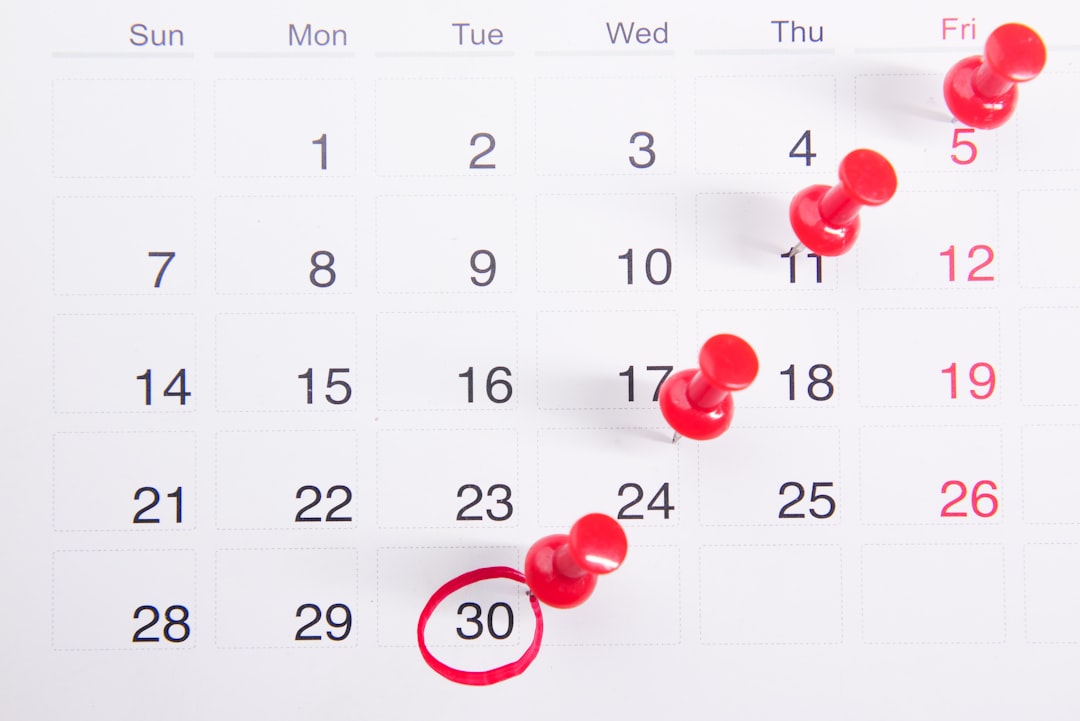
A newsletter action plan should include a content calendar with topics, send dates, owners, draft deadlines, review dates, and campaign goals. This removes last-minute panic.
A simple monthly plan may look like this:
- Week 1: educational guide that answers a common customer question.
- Week 2: customer story with one practical lesson.
- Week 3: curated resources with a short expert comment.
- Week 4: offer, event, survey, or product update.
Seasonal dates should also sit in the calendar. That includes product launches, holidays, industry events, renewal cycles, funding periods, and buying seasons.

Write for Scanners First
Most subscribers do not read every word. They scan. The newsletter should respect that.
Strong engagement usually comes from clear formatting:
- Short subject lines: often under 50 characters.
- Readable preview text: a strong second hook, not repeated subject text.
- One main idea: fewer mixed messages.
- Short paragraphs: two to four lines where possible.
- Clear buttons: one primary call to action.
- Useful links: not five competing links fighting for clicks.
The first screen matters most. If the opening feels generic, the reader may never reach the offer. A strong first line gives a benefit, raises a useful question, or names a real problem.
Segment the List for Better Relevance
Segmentation is one of the fastest ways to improve engagement. A new subscriber does not need the same email as a loyal customer. A cold lead does not need the same message as someone who clicked pricing yesterday.
Common segments include:
- New subscribers: welcome series and brand education.
- Active readers: deeper content and invitations.
- Inactive readers: reactivation emails or preference updates.
- Recent buyers: onboarding, usage tips, and support content.
- High intent leads: demos, proof, objections, and offers.
Even basic segmentation can help. A retailer might send styling tips to buyers of formalwear and care guides to buyers of leather goods. The content feels more personal because it is more relevant.
Use Testing Without Turning It Into a Science Project
Testing helps, but it should stay manageable. A team can test one item per send: subject line, preview text, button copy, send time, hero image, or content angle.
Honestly, it feels like some email tools make this harder than needed. A subject line preview may take 12 extra seconds to reload after each edit, which sounds tiny until a team tests 18 variations before lunch.
The plan should record each test and result. Over time, patterns appear. Maybe “how to” subjects beat question subjects. Maybe Tuesday morning clicks outperform Friday afternoon. Maybe subscribers respond better to plain text than polished layouts.
Track the Right Newsletter Metrics
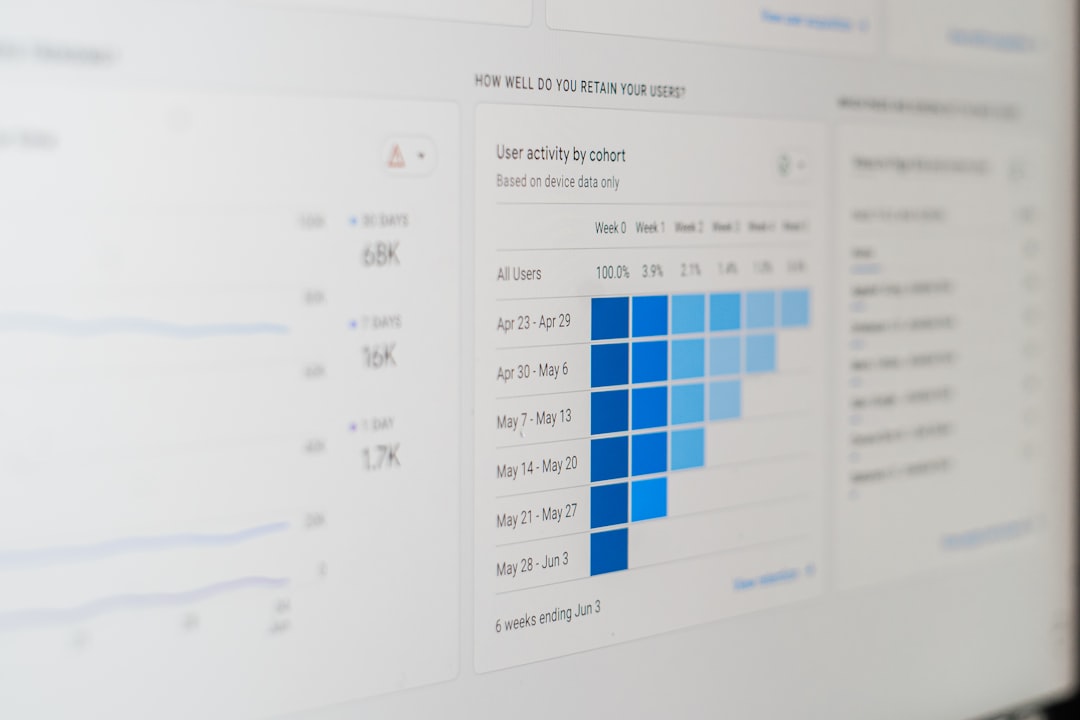
Open rate alone is not enough. Privacy settings can blur that number. A better action plan uses several metrics together.
- Open rate: useful for subject line signals, but not perfect.
- Click rate: shows interest in the content and offer.
- Click to open rate: shows whether the email met expectations.
- Unsubscribe rate: warns when relevance or frequency is off.
- Reply rate: shows trust and reader involvement.
- Conversion rate: connects the newsletter to business goals.
A healthy plan reviews results after each send and in a monthly summary. The team should ask: What worked? What dragged? What should be repeated, cut, or tested next?
Keep the List Clean
Engagement depends on list quality. Old, inactive, or fake addresses hurt deliverability. A large list with weak engagement can perform worse than a smaller list of real readers.
The action plan should include regular list hygiene. Inactive subscribers can receive a reengagement campaign after 90 to 180 days. If they still do not respond, they can be removed or suppressed. This protects sender reputation.
Assign Ownership and Deadlines
A newsletter plan needs clear roles. Someone owns strategy. Someone writes. Someone edits. Someone builds the email. Someone checks links, mobile layout, tracking, and compliance.
A basic workflow may include:
- Topic approved: 10 days before send.
- Draft ready: 7 days before send.
- Design and build: 4 days before send.
- Final review: 2 days before send.
- Performance review: 2 days after send.
This keeps the work calm. More importantly, it keeps the subscriber experience steady.
FAQ
How often should a newsletter be sent?
The right frequency depends on content quality and audience interest. Many brands do well with weekly or twice monthly sends. If engagement drops, the team should reduce frequency or improve relevance.
What makes subscribers keep opening newsletters?
Subscribers keep opening when the newsletter gives clear value. Useful tips, strong curation, honest insights, and relevant offers all help. Predictable quality matters more than fancy design.
How long should a newsletter be?
Most newsletters should be as short as possible while still being useful. A brief update may need 250 words. A deeper editorial email may need 800 words. The key is structure and clarity.
What is the best way to improve click rates?
The team should use one main call to action, stronger link copy, better segmentation, and content that matches the subject line. Clear buttons also help. Confusing choices hurt clicks.
When should inactive subscribers be removed?
Many teams review inactivity after 90 to 180 days. Before removal, a reengagement email can ask whether the reader still wants updates. If there is no response, suppression often protects deliverability.