The best day to post on Instagram is the day your own audience already shows up, reacts, saves, shares, and comments. For many brands, that day falls between Tuesday and Thursday, but treating that as a rule is a quick way to miss better results hiding in your analytics.
TLDR: Start by testing Tuesday, Wednesday, and Thursday, then compare them against your account’s real engagement data. For example, a small skincare brand might find that Wednesday posts earn a 4.8% engagement rate, while Saturday posts earn only 2.1%, even with similar content. Run a simple four-week test, track saves, shares, comments, and reach, then pick the day that wins more than once. The “best” day is not universal; it is audience-specific.
Why the “best day” is not the same for everyone
Instagram advice often sounds too neat. “Post on Wednesday.” “Never post on Sunday.” “Monday is best for brands.” Nice. Also, often wrong.
Your audience has its own habits. A fitness coach may get strong engagement on Monday morning because followers want a reset. A restaurant may perform best on Friday afternoon when people are making dinner plans. A parenting creator might see more comments late Sunday, when followers finally have a quiet moment.
The day matters because attention has a rhythm. People do not use Instagram the same way every day. Work schedules, school runs, paydays, holidays, sports, and even weather can shift behavior. That is why broad studies are useful as a starting point, not as a final answer.
Best general days to post on Instagram
If you have no data yet, begin with the days that tend to perform well across many accounts:
- Tuesday: Often strong for educational posts, product tips, and business content.
- Wednesday: A solid midweek option for Reels, carousels, and community posts.
- Thursday: Good for promotions, launches, and content that asks users to take action.
- Friday: Useful for lifestyle, food, events, fashion, and entertainment content.
Sunday and Monday can be weaker for some accounts, but do not write them off too quickly. Sunday can work well for reflective posts, weekly planning, cozy lifestyle content, and personal stories. Monday can work for B2B, wellness, productivity, and motivational content.

What engagement really means
Do not choose your best posting day based only on likes. Likes are easy. They are also less useful than they used to be.
Track these signals instead:
- Saves: A strong sign that the content has long-term value.
- Shares: A sign that people found the post useful, funny, or relatable.
- Comments: A sign that the post sparked a response.
- Profile visits: A sign that people wanted to know more about you.
- Website taps: A sign of buyer intent.
- Reach: Useful, but only when compared with engagement quality.
A post with 10,000 views and 12 saves may be less valuable than a post with 3,000 views and 180 saves. That second post did something right.
How to find your highest-engagement day
Use a clean test. Do not guess after one good post. One viral Reel can distort everything.
Try this four-week method:
- Pick three test days. Start with Tuesday, Wednesday, and Thursday.
- Post the same content type on each day. Do not compare a Reel on Tuesday with a static quote on Thursday. That is messy.
- Use similar topics. If one post is a major announcement and another is a filler graphic, the test is unfair.
- Post at similar times. For example, post between 11 a.m. and 1 p.m. each test day.
- Track results after 24 hours and again after 72 hours. Some posts build slowly.
Create a simple spreadsheet with columns for day, time, format, reach, likes, comments, saves, shares, profile visits, and engagement rate. Yes, spreadsheets are not glamorous. They work.
Use this engagement rate formula
A simple formula gives you cleaner comparisons:
Engagement rate = total engagements ÷ reach × 100
For example, if a post reaches 4,000 people and gets 320 total engagements, the engagement rate is 8%.
Total engagements can include likes, comments, saves, and shares. If your goal is sales, you may also track profile visits and website taps separately. Do not mix every metric into one number without knowing why.
A quick user case scenario
Imagine a boutique coffee shop posting four times a week. The owner assumes Friday is best because people buy more coffee before the weekend. After one month, the numbers say something else:
- Tuesday: 3.9% engagement rate, 42 saves on average.
- Wednesday: 5.6% engagement rate, 68 saves on average.
- Friday: 2.7% engagement rate, 19 saves on average.
- Sunday: 4.4% engagement rate, 51 shares on average.
Wednesday wins for menu posts and coffee education. Sunday works for cozy behind-the-scenes Reels. Friday looks busy in the shop, but not on Instagram. That is the kind of annoying surprise you only catch when you stop guessing.
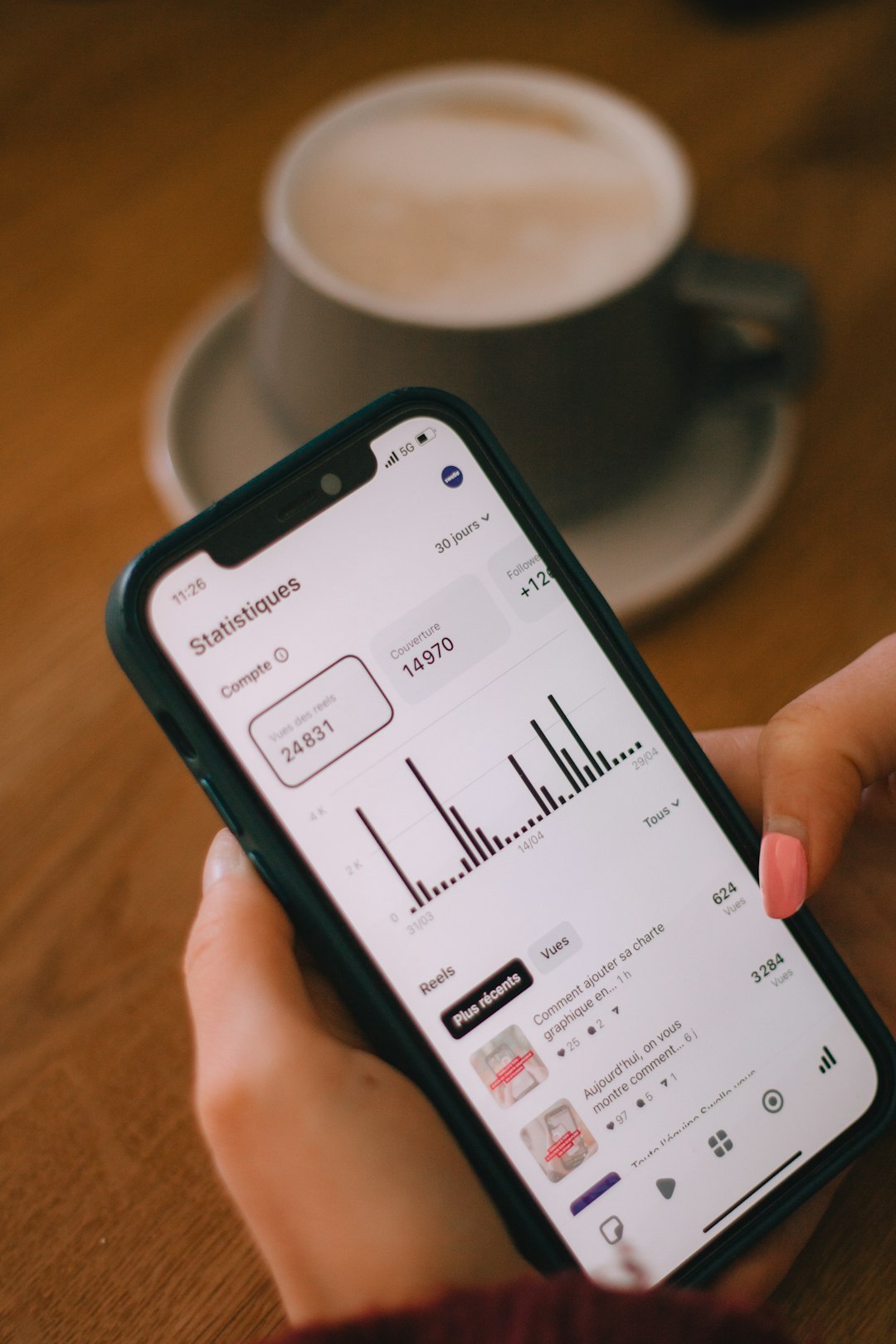
Check Instagram Insights the right way
Instagram Insights can help, but it is not perfect. Honestly, it feels like some basic reports take three taps more than they should. Still, the data is worth checking.
Go to your professional dashboard and review:
- Most active times: See when followers are usually online.
- Top content: Sort by reach, shares, saves, and interactions.
- Audience location: Match posting days and times to your main time zones.
- Follower growth: Note which posting days bring new followers.
Do not rely only on “most active times.” People being online does not always mean they will engage. A lunch break scroll may create quick likes. A quiet evening scroll may create comments and saves.
Match the day to the content type
The best day may change by format. Reels, carousels, Stories, and Lives do not behave the same way.
- Reels: Test midweek and weekends. Reels can keep gaining reach for days.
- Carousels: Test Tuesday through Thursday. These often earn saves and shares.
- Stories: Post daily if possible. Engagement depends more on consistency.
- Live videos: Pick a predictable day. Give people time to plan around it.
- Promotional posts: Try Thursday or Friday, especially for events or limited offers.
If your Tuesday carousel performs well, that does not mean your Tuesday Reel will also win. Track them separately.
Watch for audience segments
Your followers may not act as one group. That is where broad averages break down.
A brand selling office tools may have weekday engagement from managers. The same brand may get weekend engagement from freelancers planning their week. A fashion creator may see students active at night, while working professionals engage during lunch.
Pay close attention to comments and DMs. They often reveal who is active on each day. If Wednesday brings buyer questions and Saturday brings casual compliments, Wednesday may be the stronger business day.
Common mistakes when choosing a posting day
Avoid these traps:
- Testing too briefly: One week is not enough.
- Changing too many variables: Keep format, topic, and time as consistent as possible.
- Ignoring time zones: A U.S. audience and a European audience will not behave the same.
- Chasing likes only: Saves and shares often matter more.
- Posting weak content on a strong day: The best day cannot rescue boring posts.

So, what day should you choose?
If you need a starting point, choose Wednesday. It is often a strong middle-ground day, especially for carousels, tips, tutorials, and product education. Then test Tuesday and Thursday against it.
If your account is lifestyle-heavy, add Sunday to the test. If you sell food, events, fashion, or entertainment, test Friday. If you target professionals, do not ignore Monday morning or Tuesday lunch.
The smartest answer is simple: start with proven high-potential days, then let your own numbers overrule generic advice. Instagram rewards attention. Your job is to find the day when your audience has the most of it, then show up with content worth their time.