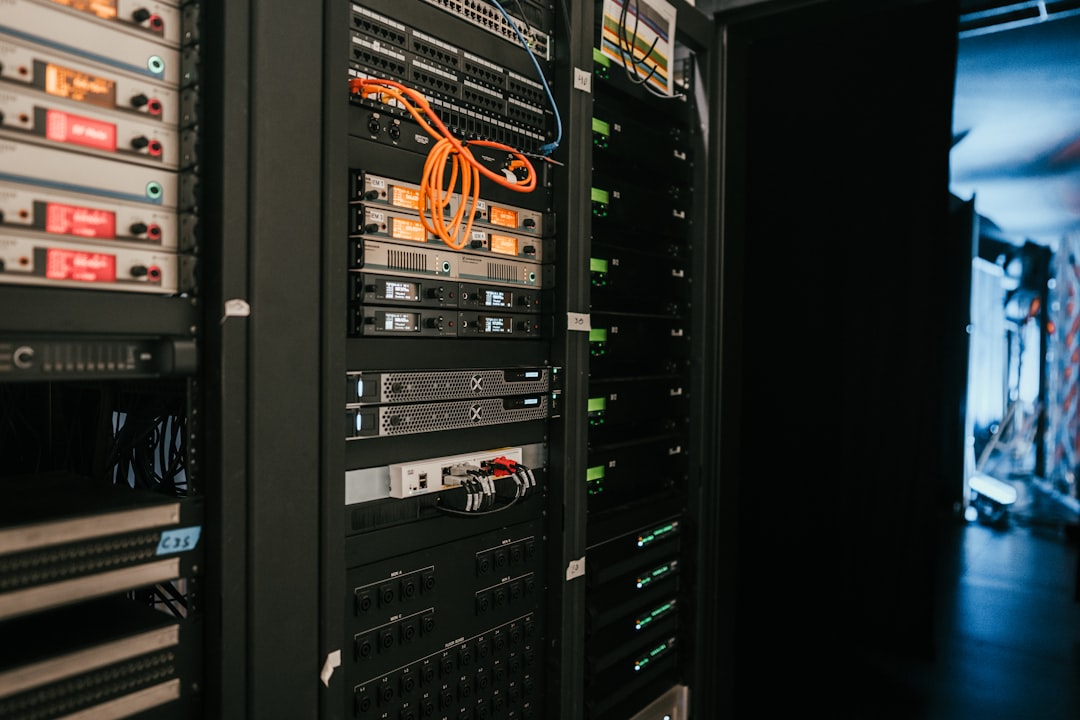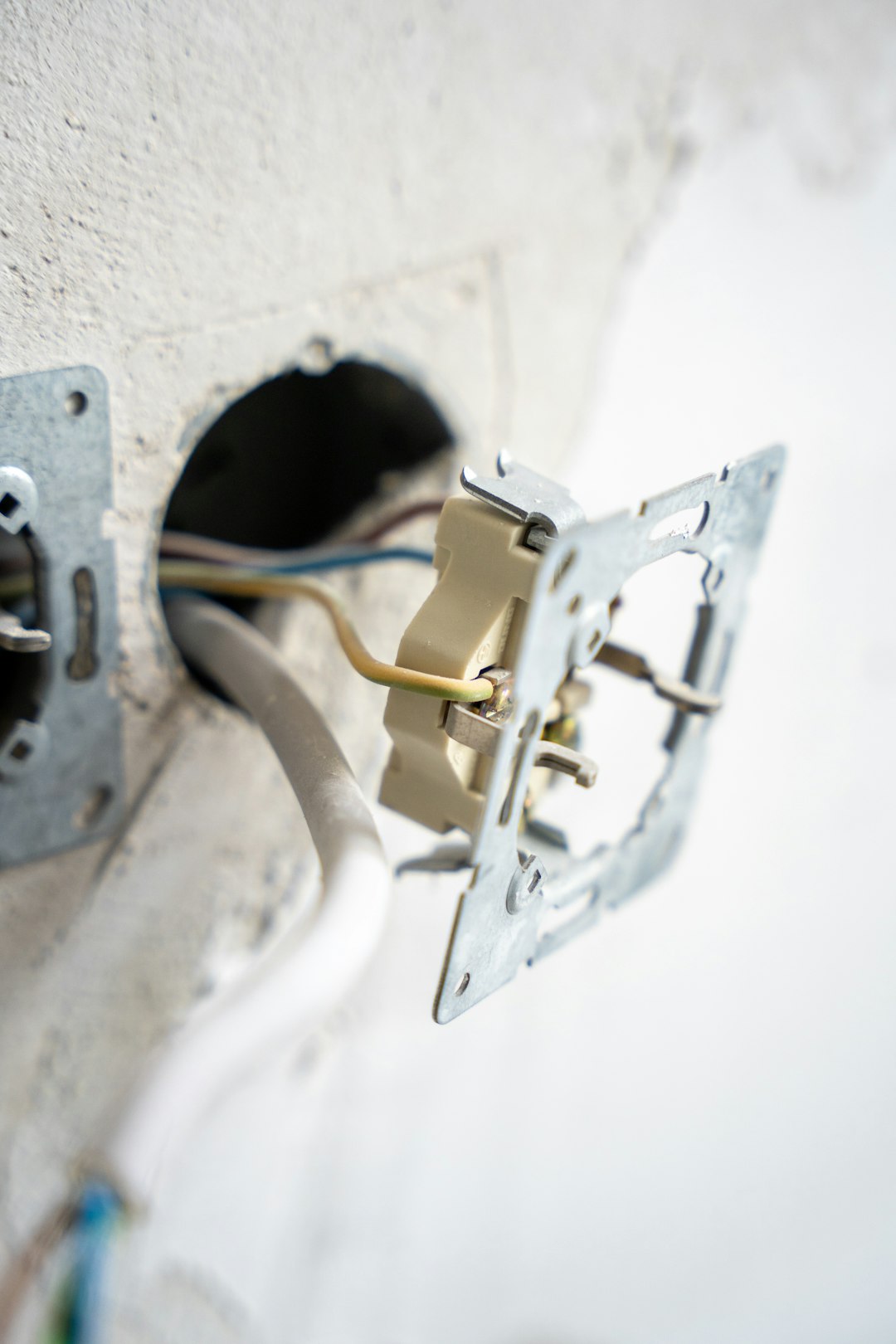
A watt is the unit that tells you how fast electricity is being used, produced, or moved. If energy is water, watts are the flow rate. A 10-watt LED bulb uses electricity slowly. A 2,000-watt space heater uses it very quickly. That single idea explains most electric bills, appliance labels, battery specs, solar panels, and charger ratings.
TLDR: A watt measures electrical power, while a watt-hour measures energy used over time. For example, a 100-watt device running for 10 hours uses 1,000 watt-hours, or 1 kilowatt-hour. If your power costs $0.16 per kWh, that device costs about 16 cents to run for those 10 hours. A home that uses 30 kWh per day may spend about $144 per month at that rate.
Watts, in Plain English
A watt, named after Scottish engineer James Watt, is a measure of power. More exactly, one watt equals one joule of energy per second. That sounds like textbook talk, but the real meaning is simple: watts measure how quickly energy is being used.
Think of a phone charger. A 5-watt charger fills a battery slowly. A 30-watt charger does it much faster, if the phone can accept that much power. The electricity is not “stronger” in some vague sense. It is being delivered at a higher rate.
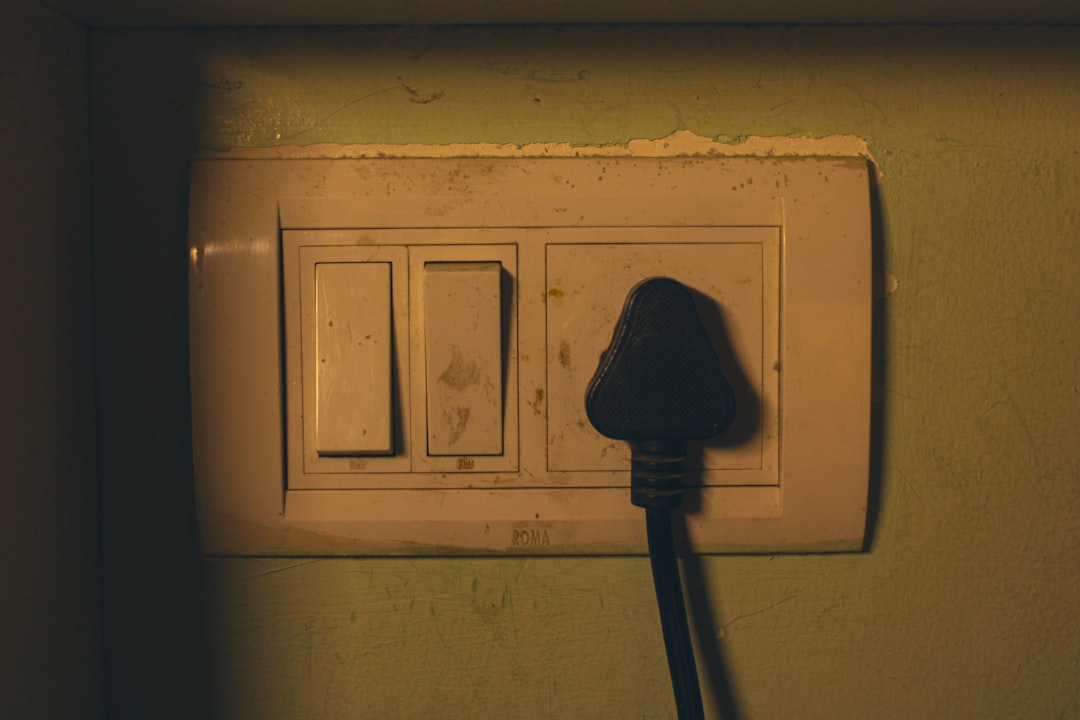
This is why watts appear on almost every electrical product:
- LED bulb: 6 to 12 watts
- Laptop charger: 45 to 100 watts
- Refrigerator while running: 100 to 800 watts
- Microwave: 700 to 1,500 watts
- Hair dryer: 1,200 to 2,000 watts
- Electric oven: 2,000 to 5,000 watts
Higher wattage usually means the device can do more work faster. It may heat more, spin harder, cool quicker, or charge sooner. It also means it can cost more to run if used for long periods.
Watt vs. Watt-Hour: The Part People Mix Up
Watts are power. Watt-hours are energy. This mix-up causes endless confusion on bills and product pages. Honestly, it feels like appliance labels could save everyone a headache by printing this in huge letters.
A watt tells you the rate of use. A watt-hour tells you the total amount used.
Here is the basic formula:
Energy used = Power × Time
So, if a 60-watt fan runs for 5 hours:
60 watts × 5 hours = 300 watt-hours
Since electric utilities usually bill in kilowatt-hours, divide by 1,000:
300 watt-hours = 0.3 kWh
If your electricity rate is $0.18 per kWh, the fan costs:
0.3 × $0.18 = $0.054
That is just over five cents. Not bad. Now compare that with a 1,500-watt space heater running for 5 hours:
1,500 × 5 = 7,500 watt-hours = 7.5 kWh
At $0.18 per kWh, that costs $1.35. Run it daily for a month, and you are near $40.50 for that one heater.
Why Your Electric Bill Uses Kilowatt-Hours
A kilowatt is 1,000 watts. A kilowatt-hour is the energy used by a 1,000-watt device running for one hour.
Utilities use kWh because homes use far too much energy to list in plain watt-hours. Saying a household used 900 kWh in a month is cleaner than saying 900,000 watt-hours.
Common monthly home use varies a lot. A small apartment might use 250 to 500 kWh per month. A larger home with electric heating or cooling may use 1,000 to 2,500 kWh or more. Air conditioning, water heating, clothes drying, and space heating are usually the heavy hitters.

Real-World Examples That Make Watts Click
Numbers are easier when tied to actual objects. Here are a few common cases.
1. Light Bulbs
An old 60-watt incandescent bulb and a modern 9-watt LED can produce similar brightness. The LED uses about 85% less power. If each runs 4 hours per day for a year:
- 60-watt bulb: 87.6 kWh per year
- 9-watt LED: 13.1 kWh per year
At $0.16 per kWh, the incandescent costs about $14.02 per year. The LED costs about $2.10. Multiply that by 20 bulbs, and the savings stop feeling small.
2. Phone Chargers
A phone charger rated at 20 watts does not always pull 20 watts. It may use that much during fast charging, then drop lower as the battery fills. This is why charging from 0% to 50% can feel quick, while the last 10% drags on. The phone is protecting the battery.
3. Kitchen Appliances
A microwave may use 1,200 watts from the wall while delivering 900 watts of cooking power. Some energy becomes heat in the electronics and magnetron. That gap is normal. Annoyingly, product labels do not always make clear whether they mean input power or cooking output.
4. Heating Devices
Electric heaters, kettles, toasters, and hair dryers often have high wattage because creating heat needs lots of power. A 1,800-watt kettle can boil water quickly. It also pulls 15 amps on a 120-volt circuit, which is close to the limit for many household outlets.
How Watts Relate to Volts and Amps
Watts do not stand alone. They are tied to volts and amps.
The simple formula is:
Watts = Volts × Amps
Voltage is electrical pressure. Amps are electrical current. Watts are the total power being used.
For example, a device using 10 amps on a 120-volt outlet draws:
120 × 10 = 1,200 watts
On a 240-volt circuit, the same 10 amps equals:
240 × 10 = 2,400 watts
This is one reason large appliances often use 240-volt circuits. They can move more power without requiring extreme current.
Watts in Solar Panels and Batteries
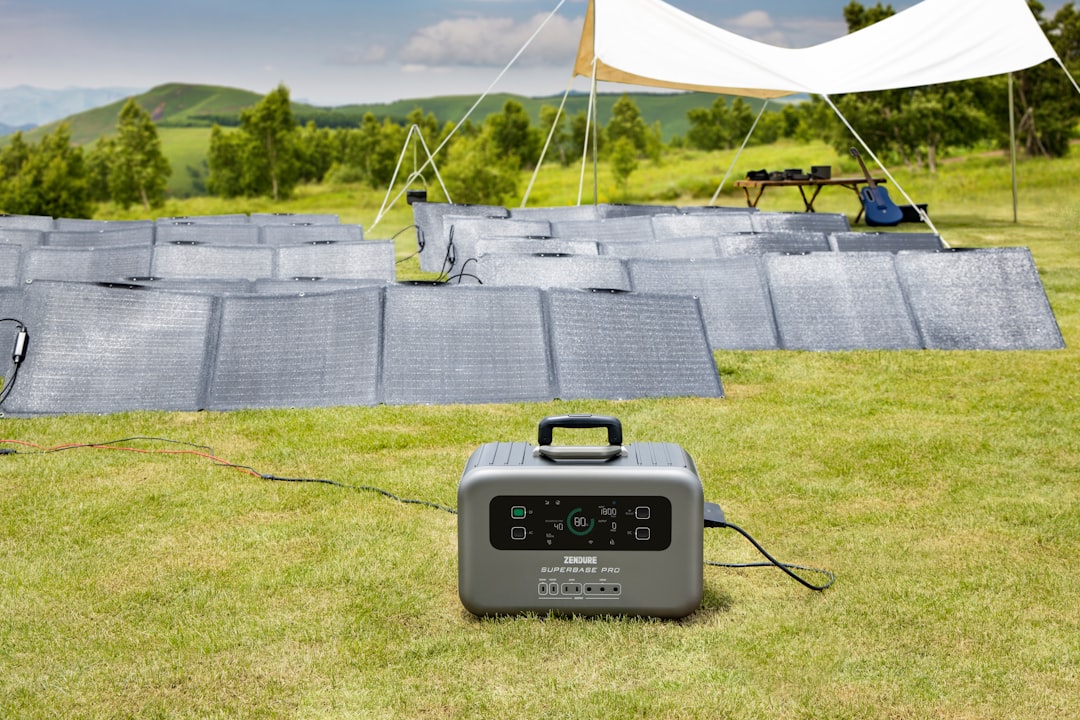
Solar panels are usually rated in watts. A 400-watt solar panel can produce up to 400 watts under ideal lab conditions. Real output changes with shade, heat, angle, dirt, and weather. Expect less than the sticker rating much of the time.
Batteries are often measured in watt-hours or kilowatt-hours. A 1,000-watt-hour portable power station could run a 100-watt device for about 10 hours in theory. In practice, you may get 8.5 to 9.5 hours because inverters and electronics waste some energy as heat.
Electric vehicles use the same idea. A car with a 75 kWh battery stores 75,000 watt-hours of energy. If it averages 25 kWh per 100 miles, it might travel about 300 miles under good conditions. Cold weather, speed, hills, and tires can cut that range.
Peak Watts vs. Running Watts
Some devices need extra power when they start. Refrigerators, air conditioners, pumps, and power tools can briefly pull much more than their normal running wattage.
This matters when buying a generator or battery backup. A refrigerator might run at 200 watts but need 1,200 watts for a split second at startup. If the generator cannot handle that surge, the fridge may fail to start. It drives me crazy that some spec sheets bury surge ratings in tiny print, because that is often the number people need first.
How to Use Watt Knowledge at Home
You do not need to be an electrician to make smarter choices. Start with labels, then estimate usage.
- Check wattage on appliances and chargers.
- Multiply watts by hours used to estimate energy.
- Convert to kWh by dividing by 1,000.
- Multiply by your electricity rate to estimate cost.
- Focus on heat and cooling first, since they usually use the most power.
A watt is not just a unit on a label. It is a practical clue. It tells you why one device trips a breaker, why another charges slowly, why LEDs save money, and why heating a room costs more than running a laptop. Once you understand watts, electric bills become less mysterious and product specs make a lot more sense.