RingCentral is usually the safer pick for larger distributed teams, while Nextiva is often the cleaner choice for small and midsize teams that want simpler setup and stronger hand-holding. The difference matters because cloud software spending keeps rising, with Gartner projecting worldwide public cloud end-user spending at $675.4 billion in 2024 [source: Gartner]. For a team spread across home offices, coworking spaces, and regional branches, the phone system is no longer “just phones.” It is call routing, messaging, video, analytics, mobile access, and support quality rolled into one daily tool.
TLDR: RingCentral fits distributed teams that need deep integrations, stronger admin controls, and more advanced call handling across many locations. Nextiva fits teams that want a friendlier interface, easier onboarding, and support that feels less like opening a ticket into the void. For example, a 75-person sales and support team with 20 remote agents may save several hours a month with RingCentral’s reporting and routing depth, while a 25-person services firm may prefer Nextiva because staff can learn the basics in a day. If the team hates fiddly setup screens, Nextiva has the edge; if IT wants more knobs to turn, RingCentral wins.
Quick Verdict for Distributed Teams
Distributed teams need a phone system that works the same way in Denver, Dublin, and someone’s kitchen. Calls must transfer cleanly. Voicemail should reach the right person. Managers need clear data. Remote staff need mobile apps that do not feel like punishment.
RingCentral is better when the company has multiple departments, international users, call queues, shared lines, compliance needs, and a growing app stack. It has been in the cloud communications market for years and shows that maturity in its feature depth.
Nextiva is better when the company wants voice, SMS, video, and customer communication tools without asking every manager to become a telecom admin. Its interface tends to feel more approachable. That matters when half the team just wants the phone to ring in the right place.

Core Calling Features
Both platforms cover the basics well. They offer cloud calling, auto attendants, call forwarding, voicemail to email, mobile apps, desktop apps, call recording on select plans, and team messaging. For a distributed team, those features are table stakes.
RingCentral tends to go further with call queues, analytics, admin roles, device management, and routing logic. A sales team can build detailed rules for business hours, overflow agents, VIP callers, and regional routing. That depth helps when a company has remote employees across time zones.
Nextiva also supports the core needs. Its strength is that common changes feel less buried. Adding users, assigning numbers, and setting basic call flows can feel less annoying. Honestly, it feels like RingCentral sometimes assumes an admin enjoys clicking through five extra panels to finish one simple task.
Ease of Use and Setup
Nextiva has a clear advantage for teams without dedicated telecom staff. Its onboarding is often smoother for small companies. The language is more business-friendly. Managers can understand what they are changing without reading a support article every two minutes.
RingCentral is not hard to use once configured. Daily users can make calls, join meetings, message coworkers, and check voicemail without much trouble. The bigger issue sits with administration. More features create more menus. More menus create more chances for a setting to be missed.
For distributed teams, this matters. A remote hire should not wait three days for calling access because the setup process is messy. Nextiva may reduce that friction. RingCentral may repay the extra setup time later with better control.
Integrations and Workflow Fit
RingCentral has the stronger integration story. It connects with popular tools such as Microsoft Teams, Google Workspace, Salesforce, HubSpot, Zendesk, Slack, and many help desk systems. That makes it useful for companies where calls must connect to customer records, tickets, and sales activity.
Nextiva also integrates with major business tools, but its ecosystem is not as broad. It fits best when the team wants communications and customer interaction tools under one roof, rather than a large library of third-party connections.
If a distributed sales team lives in Salesforce, RingCentral will often be the better match. If a service firm wants calls, texts, and customer history in a simpler package, Nextiva can make more sense.
Analytics and Manager Visibility
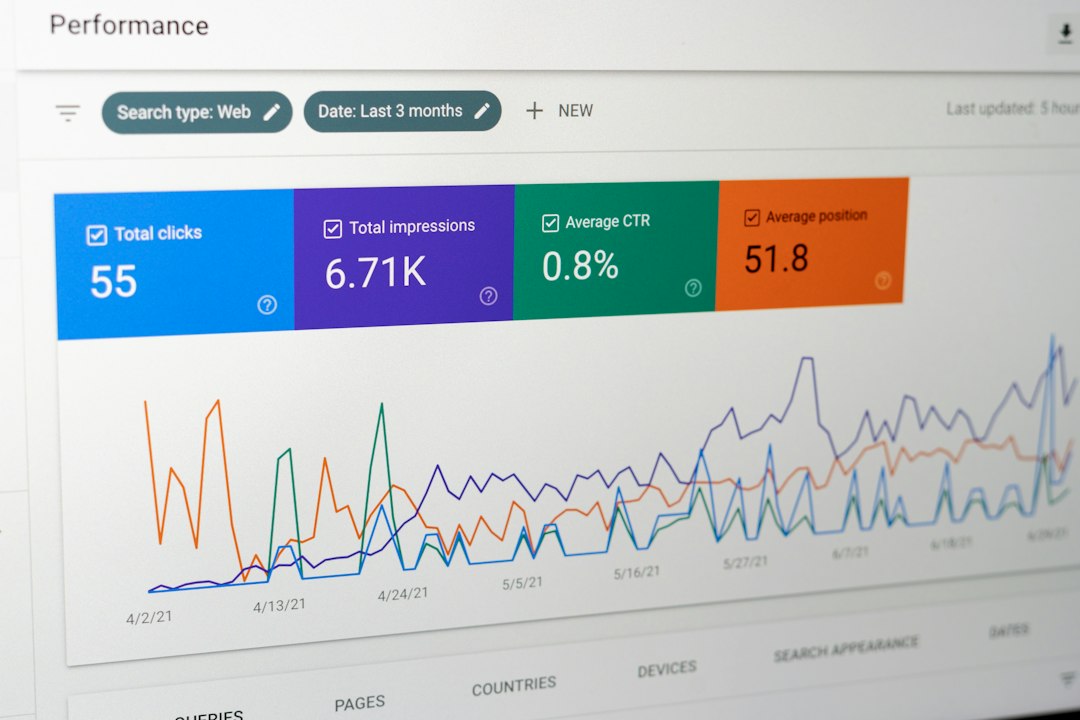
RingCentral is stronger for reporting. Managers can track call volume, missed calls, queue performance, response times, and user activity. This helps remote leaders spot problems that are easy to miss. For example, one region may have a 22% missed-call rate after 3 p.m. because coverage ends too early.
Nextiva offers useful analytics too, especially for smaller teams. It can show call patterns, team activity, and customer communication trends. Still, RingCentral usually gives leaders more room to slice the data.
The catch is that better reporting can also mean more setup work. RingCentral’s dashboards may require more tuning before they show the right story. Nextiva may be less powerful, but it often gets managers to a useful view faster.
Reliability and Call Quality
Both services are built for business-grade calling. In real use, call quality depends on local internet, Wi-Fi strength, headsets, router settings, and user devices. A great cloud phone system cannot fix a weak home connection with five people streaming video.
RingCentral has a strong reputation among larger organizations and global teams. It offers many controls for admins who need to manage devices, users, and locations at scale.
Nextiva performs well for typical small and midsize business use. Its support experience can be a deciding factor when something breaks. Distributed teams do not have a technician walking down the hall, so responsive support matters.
Pricing and Value
Both vendors use tiered pricing. Costs depend on features, user count, billing term, and add-ons. Entry plans usually cover basic calling. Higher plans unlock advanced analytics, integrations, call recording, contact center tools, and more admin features.
RingCentral may cost more once a company adds advanced features, but it can deliver better value for complex teams. If the business needs detailed routing, analytics, integrations, and multi-location control, paying more can be justified.
Nextiva often feels more attractive for teams that want predictable communication tools without overbuying. A 15-person consulting company may not need the same feature set as a 300-person support operation. Paying for unused complexity is a quiet budget leak.
Best Fit by Team Type
- Choose RingCentral for larger distributed teams, global users, heavy call routing, advanced reporting, and deep integrations.
- Choose Nextiva for small and midsize teams, faster onboarding, simpler administration, and a more guided support experience.
- Choose RingCentral if IT wants granular controls and managers need detailed performance data.
- Choose Nextiva if nontechnical managers will handle most changes.
- Test both if the company has hybrid workers, field staff, and customer-facing teams with different needs.

Final Recommendation
RingCentral is the stronger platform for distributed teams with scale, complexity, and integration needs. It gives managers more control and better visibility. The tradeoff is a steeper admin experience and more time spent configuring the system.
Nextiva is the better choice for teams that want a business phone system to work quickly with less fuss. It is especially appealing when the company values support, ease of use, and simple customer communication over deep customization.
The smartest move is to map three real workflows before buying: a new hire setup, an incoming support call, and a missed call after hours. If RingCentral handles those with useful automation, it is likely worth the extra complexity. If Nextiva handles them with fewer clicks and fewer complaints, that simplicity may be the better business decision.
FAQ
Is RingCentral better than Nextiva for remote teams?
RingCentral is better for larger remote teams that need advanced routing, analytics, integrations, and admin controls. Smaller remote teams may find Nextiva easier to manage.
Is Nextiva easier to use than RingCentral?
Yes, in many cases. Nextiva usually feels simpler for setup, user management, and daily administration. RingCentral offers more depth, but that can add clutter.
Which platform is better for sales teams?
RingCentral is often better for sales teams that rely on CRM integrations and detailed call tracking. Nextiva works well for smaller sales teams that want calling, texting, and customer communication in a simpler system.
Do both RingCentral and Nextiva support mobile workers?
Yes. Both offer mobile apps that let users make and receive business calls, check voicemail, send messages, and stay reachable outside the office.
Which one should a small business choose?
A small business should usually start with Nextiva if it values ease and support. It should consider RingCentral if it expects fast growth, complex call flows, or heavy software integrations.