Use USPS Tracking for pure USPS shipments; use 17TRACK when your package may switch carriers, cross borders, or come from a marketplace seller. USPS offers direct scan data for its own network, and USPS says tracking is included with many domestic mail services and packages [source: USPS]. 17TRACK is better when the seller gives you a number from China Post, Yanwen, DHL, FedEx, UPS, USPS, or a mix of carriers. The better choice depends on one annoying question: who is actually carrying the package right now?
TLDR: If you have one USPS tracking number, the official USPS tracker is usually the cleaner and more reliable choice. If you shop from Amazon Marketplace, AliExpress, Etsy, eBay, or overseas stores, 17TRACK can save time because it checks many carriers from one screen. For example, a buyer tracking 8 holiday orders from 5 different carriers could check them in one 17TRACK dashboard instead of opening 5 carrier sites. USPS wins for final mile detail; 17TRACK wins for mixed carrier tracking.
What USPS Tracking Does Best
USPS Tracking is the official tracking tool for packages handled by the United States Postal Service. That matters. When the package is inside the USPS system, you are reading updates from the source, not from a third party trying to interpret them.
You can see common events like:
- Label created
- Accepted at USPS facility
- In transit to next facility
- Out for delivery
- Delivered
- Available for pickup
For domestic mail, this is usually enough. It is also simple. Paste the number, press search, and read the latest scan. No account is needed for basic tracking.

The biggest USPS advantage is final mile accuracy. If the package is on a local route, USPS often shows the most useful detail. You may see a delivery attempt, a pickup notice, or a scan at your local post office before a third party tracker catches up.
The downside? USPS tracking can feel bare when the package has not been scanned recently. “In Transit to Next Facility” can sit there for days. Honestly, it feels like the tracking page is shrugging at you. The package may still be moving, but the page does not always prove it.
What 17TRACK Does Best
17TRACK is a multi carrier tracking platform. Instead of checking only USPS, it checks many carriers and postal systems. This is useful when a package starts with one company and ends with another.
That happens all the time with international orders. A parcel may begin with China Post, move through customs, get handed to USPS, and then arrive at your door. If you only check USPS too early, you may see nothing or very little. 17TRACK may show the earlier journey before USPS receives the item.
17TRACK is especially useful for:
- International shopping from marketplaces and small sellers
- Multiple packages from different carriers
- Tracking number mystery when you do not know the carrier
- Bulk tracking for resellers or frequent buyers
- Cross border handoffs where USPS only handles the last part
It drives me crazy that some sellers send a tracking number without naming the carrier. 17TRACK helps here. Paste the number, and it often guesses the carrier. That small feature can save several minutes of guessing and failed searches.
Accuracy: Official Source vs Wider Coverage
USPS has the edge when the shipment is fully inside its own network. It is the official carrier. If USPS says “Delivered,” that is usually the status sellers, buyers, and support teams care about.
17TRACK has the edge when the package has a messy route. It may show early carrier scans that USPS cannot display yet. It may also combine updates from several carriers in one timeline.
Still, 17TRACK is not magic. It depends on carrier feeds. Sometimes it lags. Sometimes it chooses the wrong carrier at first. Sometimes it labels an update in odd English. That is not a deal breaker, but it can make the status harder to understand.
Speed of Updates
For USPS packages, the USPS site often updates first. Not always, but often. If your package is out for delivery at 8:12 a.m., USPS is where you want to check.
For international packages, 17TRACK may feel faster during the early phase. It can show the origin country scans before USPS has anything meaningful. Once the item reaches the United States, USPS usually becomes the better source for the final stretch.
Ease of Use
USPS is cleaner for one package. The page is simple, and the statuses are familiar. You also get USPS tools like text updates, email updates, delivery instructions, and Informed Delivery in some cases.
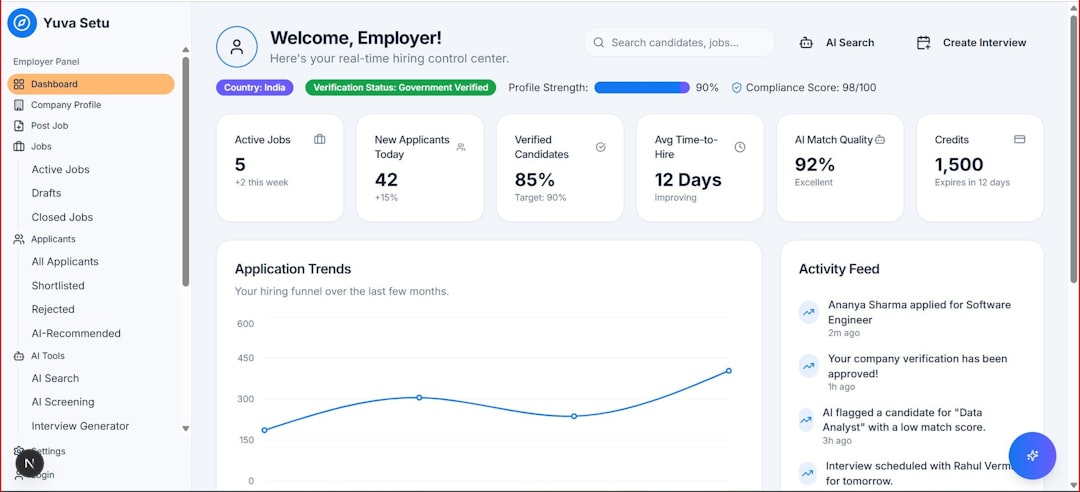
17TRACK is better for volume. If you have 10 orders coming from 6 sellers, the dashboard is a relief. You can name shipments, save numbers, and check multiple packages without copying and pasting all day.
Image not found in postmeta
Which One Should You Choose?
Choose USPS Tracking if:
- Your tracking number is clearly from USPS.
- The package is domestic.
- You need delivery proof.
- You want final mile updates.
- You are dealing with a missing mail case.
Choose 17TRACK if:
- The package is international.
- You do not know the carrier.
- The seller used a shipping partner.
- You have many packages to follow.
- USPS shows no update yet.
Final Verdict
USPS Tracking is better for delivery updates when USPS is the main carrier. It is official, simple, and strong for local delivery scans. For a Priority Mail box from New York to Texas, use USPS first.
17TRACK is better for complicated shipments. It shines when a package crosses borders, changes carriers, or comes from a marketplace seller with vague shipping details. For an AliExpress parcel that later gets handed to USPS, start with 17TRACK, then switch to USPS when the package enters the U.S. mail stream.
The smartest answer is not either-or. Use both. Check 17TRACK for the full trip, then trust USPS for the last mile.