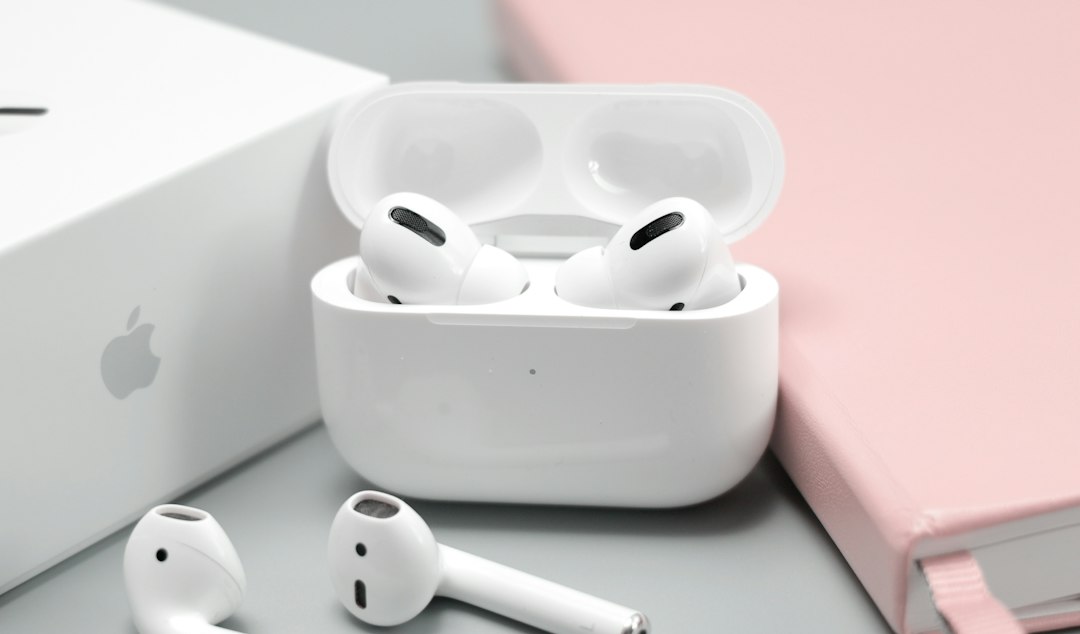
AirPods Pro 3 are the better pick for most people who care about noise cancellation, fit, and workouts, while AirPods 4 make more sense for users who want cheaper, lighter earbuds without silicone tips. Apple lists AirPods Pro 3 at $249, AirPods 4 at $129, and AirPods 4 with Active Noise Cancellation at $179 [source: Apple]. That price gap matters, but so do comfort, battery life, and how much outside noise a person needs to block.
TLDR: AirPods Pro 3 are the safer choice for commuters, gym users, and frequent callers because they seal the ear and offer stronger noise control. AirPods 4 are better for casual listening, podcasts, and users who dislike the plugged-in feel of ear tips. For example, a person taking a 40-minute train ride each day will likely get more value from AirPods Pro 3, while someone using earbuds for two short walks and a few calls may save $120 with standard AirPods 4. The $179 AirPods 4 with ANC sit in the middle, but they still cannot seal noise like Pro earbuds.
Quick Verdict
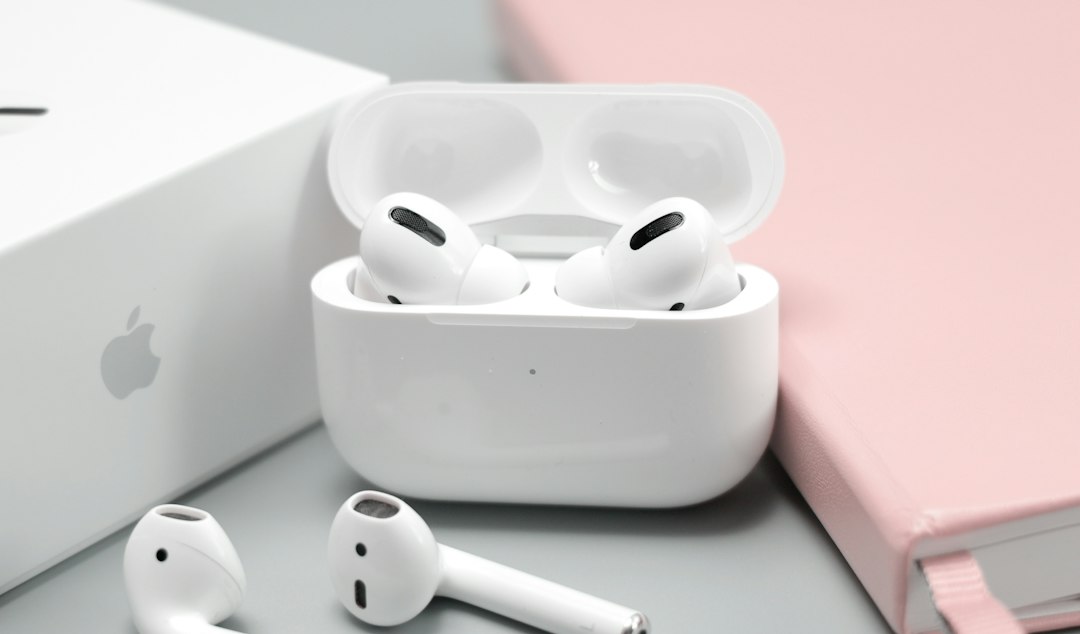
AirPods Pro 3 win on performance. They are built for people who want strong Active Noise Cancellation, secure fit, better isolation, and more advanced health and fitness features. The silicone tips are not just a comfort detail. They help block sound before the software even starts working.
AirPods 4 win on price and simplicity. They use an open-ear design. That means they sit in the ear without sealing it. Some users love this because it feels lighter and less boxed in. Others will hate it because bass can feel weaker and noise still sneaks in. Honestly, it feels like Apple made the $179 ANC version just tempting enough to confuse everyone.
Design and Comfort
AirPods Pro 3 use silicone ear tips. This helps them stay put during runs, workouts, and long rides. They also suit people who need a tighter fit for stronger bass and better noise blocking. The downside is simple. Some users do not like pressure in the ear canal.
AirPods 4 use an open design. There are no ear tips. They are easier to pop in and out, and they feel more casual. They also let in more street noise, which can be good for walking outside. The catch is that fit depends heavily on ear shape. If the shell does not sit well, there is not much to adjust.
Noise Cancellation
This is where AirPods Pro 3 pull ahead. Their sealed fit gives the ANC system a head start. They are the better option for planes, trains, offices, coffee shops, and noisy homes. Apple says AirPods Pro 3 offer much stronger noise cancellation than earlier Pro models [source: Apple Newsroom].
AirPods 4 with ANC are impressive for open earbuds. Still, physics gets in the way. Without silicone tips, they cannot block low rumbles or chatter as well. Standard AirPods 4 do not include ANC at all, so they should be seen as casual earbuds first.
Sound Quality
AirPods Pro 3 should sound fuller for most listeners. The seal improves bass, detail, and volume balance. Music feels more controlled. Podcasts and calls stay clearer in loud places.
AirPods 4 sound clean and easy to enjoy. They are great for pop, podcasts, YouTube, and phone calls. But they can lose low-end punch in noisy areas. It drives people a little crazy when the volume has to be pushed higher just to hear a bass line on a busy street.
Battery Life and Daily Use
AirPods Pro 3 are better for long sessions. They are built for people who wear earbuds for hours at a time. The charging case also gives enough backup for normal daily use.
AirPods 4 are better for lighter use. They are easy to carry, quick to pair, and simple to control. The ANC model adds more features, but battery life can drop when noise cancellation is active. That is normal, but still annoying on a long day.
Workouts and Fitness
AirPods Pro 3 are the better gym pick. The sealed design stays more secure, and the Pro line is aimed at more active users. If heart rate tracking is part of the feature set in a buyer’s region, that gives fitness users another reason to choose the Pro model.
AirPods 4 can work for walks, light runs, and casual exercise. Still, they may shift more during sweat-heavy sessions. For lifting, commuting, and desk work, they are fine. For serious training, the Pro model is less risky.
Which One Should Different Buyers Pick?
- Best for commuters: AirPods Pro 3, because stronger ANC matters every day.
- Best for tight budgets: AirPods 4, because the base model costs much less.
- Best for people who hate ear tips: AirPods 4, since the open fit feels lighter.
- Best for workouts: AirPods Pro 3, thanks to a more secure fit.
- Best middle choice: AirPods 4 with ANC, but only if the buyer wants some noise control without silicone tips.
Final Recommendation
AirPods Pro 3 are worth the extra money for anyone who uses earbuds daily in loud places. The better seal, stronger ANC, fuller sound, and workout-friendly fit make them the more complete product.
AirPods 4 are the smarter buy for casual users. They cost less, feel light, and work well inside Apple’s ecosystem. The decision comes down to one question: does the buyer need real noise blocking? If yes, AirPods Pro 3 are the clear pick. If not, AirPods 4 keep things simple and cheaper.
FAQ
- Are AirPods Pro 3 better than AirPods 4?
Yes, for sound isolation, ANC, workouts, and loud places. AirPods 4 are better for lower cost and open-ear comfort. - Are AirPods 4 with ANC close to AirPods Pro 3?
They are closer than the base AirPods 4, but they still do not seal the ear. AirPods Pro 3 block more noise. - Which model is better for small ears?
AirPods Pro 3 may fit better because ear tips offer more sizing options. AirPods 4 depend more on ear shape. - Which model should a student buy?
AirPods 4 are better for students on a budget. AirPods Pro 3 are better if studying often happens in noisy spaces. - Is the price jump to AirPods Pro 3 worth it?
For daily commuters, gym users, and frequent callers, yes. For light listening at home, probably not.