Launching a new website in 2026 requires more than publishing pages and waiting for search engines to notice. New domains begin with limited trust, no historical engagement signals, and little evidence of topical authority. To rank, a new site must combine technical quality, credible content, clear topical focus, and measurable trust signals from the beginning.
TLDR: A new domain can rank in 2026, but it must earn trust methodically. Start with a technically sound website, build focused content clusters, prove expertise, and acquire relevant links through legitimate visibility efforts. Avoid shortcuts; sustainable SEO for a new site depends on consistency, quality, and strong user satisfaction signals.
Start with a Narrow, Defensible SEO Strategy
One of the most common mistakes new websites make is targeting broad, highly competitive keywords too early. In 2026, search engines are increasingly effective at identifying whether a site has enough depth, authority, and user value to deserve visibility. A new domain should begin with a specific topical niche, not a scattered set of unrelated keywords.
Instead of trying to rank for “project management software,” a new site might target narrower topics such as “project management templates for small construction teams” or “workflow planning for remote design agencies.” These longer, more specific queries usually have lower competition and clearer intent. They also allow the site to demonstrate expertise faster.
The goal is not to publish everywhere at once. The goal is to become genuinely useful in one defined area before expanding.
Build a Clean Technical Foundation
Technical SEO is not a growth hack; it is the foundation that allows every other SEO effort to work. A new domain should launch with fast loading pages, mobile-first design, logical site architecture, crawlable links, and properly configured indexation controls.
Before publishing large amounts of content, review the following:
- Site speed: Pages should load quickly on mobile networks, not only on desktop connections.
- Core Web Vitals: Prioritize stable layouts, fast interaction, and strong visual loading performance.
- Indexation: Ensure important pages are indexable and low-value pages are excluded when appropriate.
- Internal linking: Use descriptive anchor text and connect related pages naturally.
- Structured data: Add schema markup where it genuinely describes the page content, such as articles, products, FAQs, or local business information.
- Security: Use HTTPS, maintain software updates, and remove broken or suspicious scripts.
A technically weak new website can waste months of content work. Search engines need to crawl, interpret, and trust the site efficiently. Users also need a smooth experience; if visitors abandon slow or confusing pages, rankings are unlikely to improve.
Create Topic Clusters, Not Isolated Blog Posts
In 2026, successful SEO content is rarely built from disconnected articles. Search engines evaluate patterns: how thoroughly a site covers a topic, how pages relate to one another, and whether visitors can complete their research without returning immediately to search results.
A strong new-domain strategy should use topic clusters. This means creating one primary page around a core subject, then supporting it with related articles that answer more specific questions. For example, a website about personal finance for freelancers might create a main guide on “freelance tax planning,” supported by pages about estimated taxes, deductible expenses, bookkeeping tools, quarterly payments, and common tax mistakes.
This structure helps search engines understand expertise and helps users navigate naturally. Each page should have a clear purpose, original insight, and a reason to exist. Avoid publishing thin articles that simply repeat what already appears on the first page of search results.
Write for Search Intent and Real Experience
Search intent remains central to SEO. A new website must understand whether a user wants information, comparison, instructions, local options, or a transaction. Content that fails to match intent will struggle, even if it is well written.
For serious SEO growth, content should include evidence of real knowledge. This may include original examples, expert commentary, product testing notes, case studies, data, screenshots, or lessons from practical experience. Generic content is increasingly easy to identify and increasingly difficult to rank.
When writing, ask these questions:
- Does the page answer the main query quickly and clearly?
- Does it provide information that is more useful than competing pages?
- Does it show first-hand knowledge or credible research?
- Is the author or organization clearly qualified to discuss the topic?
- Does the page guide the user toward a sensible next step?
Trust is not created by claiming expertise. It is created by demonstrating it.

Strengthen E-E-A-T Signals from the Beginning
Experience, expertise, authoritativeness, and trustworthiness are especially important for new domains. While E-E-A-T is not a single score, it represents qualities that search engines attempt to evaluate through many signals.
New websites should make credibility visible. Include detailed author bios, editorial policies, contact information, business details, references, and dates when content is reviewed or updated. For sensitive topics such as health, finance, legal issues, or safety, use qualified reviewers and cite reputable sources.
Trust also depends on transparency. If the site uses affiliate links, disclose them. If content is sponsored, label it. If advice has limitations, explain them. Serious websites do not hide important context from readers.
Earn Links Through Relevance, Not Volume
Backlinks still matter, but poor link-building is riskier than ever. A new domain should avoid mass link schemes, irrelevant guest posts, private blog networks, and manipulative anchor text patterns. These tactics may produce temporary movement, but they can damage long-term trust.
Better link acquisition starts with useful assets and real relationships. Publish original research, practical tools, statistics, expert interviews, comparison resources, or industry guides that others have a reason to reference. Reach out to relevant publishers, communities, podcasts, newsletters, and professional organizations where your content adds value.
For local or service businesses, foundational citations, chamber of commerce listings, partner pages, local sponsorships, and niche directories can help establish legitimacy. The key is relevance. Ten credible, industry-related mentions are usually more valuable than hundreds of low-quality links.
Use AI Carefully, with Human Accountability
AI-assisted content is common in 2026, but using AI does not remove the need for editorial standards. Search engines do not reward content simply because it is human-written or penalize it simply because AI helped create it. The issue is whether the final page is accurate, original, useful, and trustworthy.
For new domains, AI should support research organization, outlines, summaries, and editing workflows. It should not replace expertise. Every important article should be fact-checked, improved with original insight, and reviewed by someone responsible for quality. Publishing large volumes of generic AI content is a weak strategy for a new site trying to earn trust.
Measure Early Signals and Improve Continuously
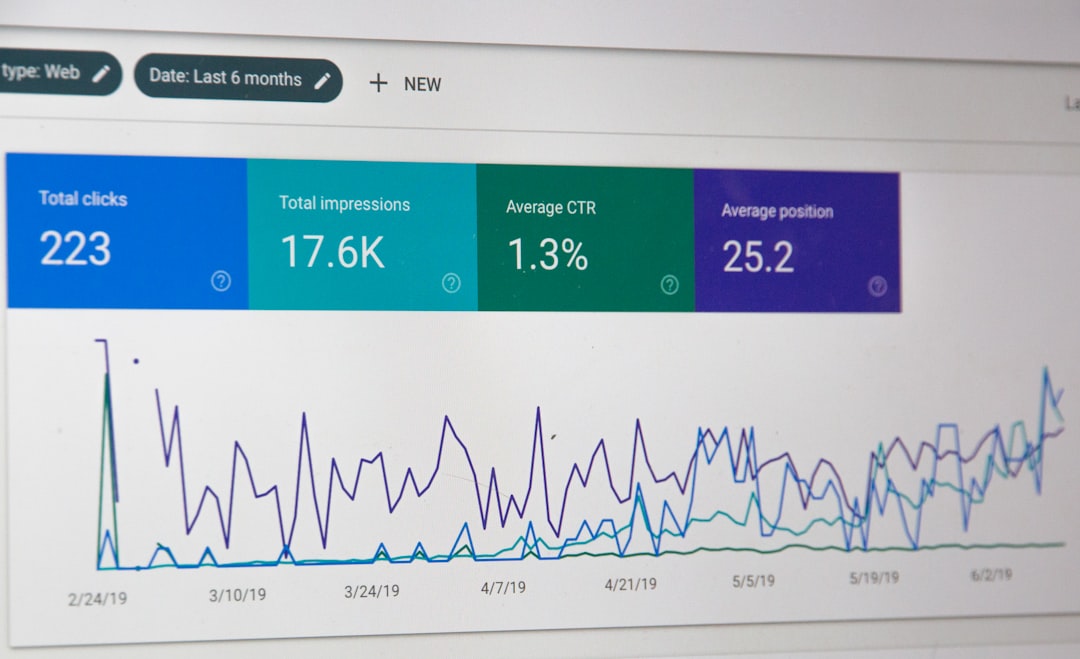
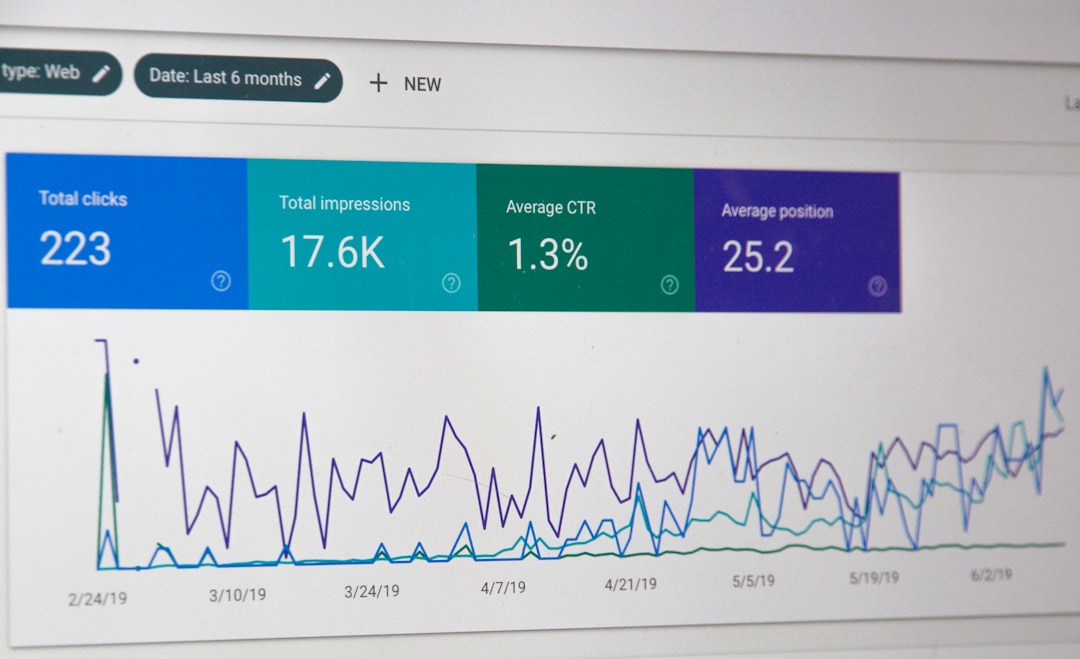
New-domain SEO takes time, but meaningful signals appear before major rankings arrive. Monitor index coverage, crawl activity, impressions, click-through rates, engagement, conversions, and which pages begin appearing for long-tail queries. These early data points reveal where search engines are starting to understand the site.
Use analytics to improve pages rather than simply publish more. If a page gets impressions but few clicks, improve its title and meta description. If visitors leave quickly, strengthen the introduction, answer the query sooner, or improve page layout. If a topic earns traction, expand it with supporting content and internal links.
Set Realistic Timelines for a New Domain
A new website should not expect stable rankings in a few weeks, especially in competitive niches. In many cases, the first three to six months are about building a foundation, getting indexed, testing topics, and earning initial trust. Stronger organic growth often appears after consistent publishing, technical refinement, and relevant mentions accumulate.
However, patience should not mean passivity. A serious SEO plan for 2026 should include a publishing calendar, technical audits, content updates, outreach activity, and regular performance reviews. The sites that succeed are usually not the ones that publish the most content, but the ones that improve the most deliberately.
Final Thoughts
Ranking a new website in 2026 is a disciplined process. Search engines are looking for evidence that a domain is technically reliable, topically focused, useful to real users, and credible within its field. New sites can compete, but they must choose battles carefully and build authority step by step.
The best strategy is simple in principle and demanding in execution: create a fast and trustworthy website, publish content that demonstrates real expertise, connect related topics intelligently, earn relevant recognition, and keep improving based on data. For a new domain, sustainable SEO is not about appearing bigger than you are. It is about becoming more useful, more credible, and more visible over time.