
Buying ads on searches for a competitor’s brand name can feel like walking into a rival’s store and handing out your business card. It is bold, sometimes effective, and often controversial. In Google Ads, this tactic is usually called competitor keyword bidding, and it can help you reach high-intent buyers who are already comparing options. But before you add a competitor’s name to your keyword list, it is important to understand the rules, risks, and smarter ways to do it.
TLDR: In many cases, you can bid on competitor names as keywords in Google Ads, but you should be careful about using their trademarks in your ad copy. Google generally allows advertisers to target trademarked terms as keywords, while restricting misleading or unauthorized trademark use in ads. The safest approach is to keep ads clear, honest, and comparison-focused without implying affiliation. When done well, competitor bidding can generate valuable leads, but it can also trigger legal complaints, higher costs, and brand backlash.
Can You Use Competitor Names as Google Ads Keywords?
Yes, generally you can use competitor names as keywords in Google Ads. Google’s trademark policy typically does not prevent advertisers from bidding on trademarked brand names as keywords. That means if your competitor is called “Acme Software,” you may be able to add “Acme Software” as a keyword so your ad appears when people search for it.
However, there is a major distinction between using a competitor’s name as a keyword and using that name in your ad text. Keywords are behind-the-scenes targeting signals. Ad copy is visible to users. Google is usually more concerned with what users see and whether the ad creates confusion.
For example, bidding on a competitor’s brand name may be permitted. But writing an ad headline such as “Official Acme Software Partner” when you are not affiliated with Acme could violate Google’s policies and potentially trademark law. The issue is not merely the word itself; it is whether your ad is misleading.

What Google’s Trademark Rules Usually Mean
Google’s trademark policies vary by region and circumstance, but the general principle is straightforward: advertisers are often allowed to bid on trademarked terms, while trademark owners may complain about improper use of their trademarks in ad text.
Google may restrict ads that use a trademark in a way that confuses users about the source of goods or services. For instance, if your ad suggests you are the competitor, an official reseller, or an authorized support provider when you are not, you could face disapproval or account issues.
There are some cases where using a trademark in ad copy may be acceptable, such as:
- Resellers: Businesses genuinely selling the trademarked products may be allowed to reference the brand.
- Informational sites: Review, comparison, or informational pages may be able to use the trademark descriptively.
- Compatible products: Ads may sometimes mention compatibility, such as accessories or services that work with a branded product.
Even then, the language must be accurate. A clear comparison ad is very different from an ad that tricks users into thinking they are clicking on the brand they searched for.
The Legal Risk: Trademark Law and Consumer Confusion
Google’s approval does not automatically mean your campaign is legally risk-free. Trademark law focuses heavily on likelihood of confusion. If a reasonable consumer might believe your ad is from, sponsored by, or connected to the competitor, the competitor may argue that your advertising infringes its trademark.
This is why careful wording matters. A searcher looking for “Acme Software pricing” might see your ad and click it. If your ad says, “Better Alternative to Acme Software,” users understand they are seeing a competitor. But if it says, “Acme Software Discounts,” and the landing page sells your unrelated product, that is much riskier.
You should also consider jurisdiction. Trademark rules and advertising regulations differ by country. If you operate in multiple markets, a strategy that feels acceptable in one region may be problematic in another. For high-value campaigns, it is wise to consult a legal professional before launching aggressive competitor targeting.
Marketing Risks Beyond Legal Issues
Even if your campaign is allowed, competitor keyword bidding has practical downsides. The first is cost. Brand terms often have strong Quality Scores for the brand owner because their ads and landing pages are highly relevant. Your ad may be considered less relevant, which can increase your cost per click.
Second, competitors may retaliate. If you bid on their name, they may start bidding on yours. This can raise costs for both businesses and turn a profitable tactic into an expensive bidding war.
Third, conversion rates can be mixed. People searching for a specific brand may already have made up their minds. Some may click your ad out of curiosity, but others will bounce quickly if they realize you are not the company they were looking for.
Finally, there is a brand perception risk. Overly aggressive competitor ads can look desperate or misleading. A tasteful comparison can build credibility; a sneaky ad can damage trust.

Best Practices for Competitor Keyword Campaigns
If you decide to bid on competitor names, use a thoughtful strategy rather than simply adding every rival brand to your account. The goal is not just traffic; it is qualified traffic that understands your offer.
1. Be Transparent in Your Ad Copy
Clarity is your strongest protection. Use language that makes it obvious you are an alternative, not the competitor. Phrases such as “Compare,” “Alternative to,” or “See how we differ” can help set expectations.
A safer ad angle might be:
- “Looking for an Acme Alternative?”
- “Compare Acme vs Our Platform”
- “Switch from Acme with Easy Migration”
Avoid phrases that imply official affiliation, exclusive rights, or direct representation unless you can prove them.
2. Send Users to a Relevant Landing Page
Do not send competitor keyword traffic to a generic homepage if you can avoid it. A dedicated comparison page usually performs better because it answers the searcher’s likely question: “Why should I consider you instead?”
A good landing page can include:
- Feature comparisons
- Pricing differences
- Customer pain points
- Migration or switching information
- Honest pros and cons
- Testimonials from customers who switched
Be careful with claims. If you say you are faster, cheaper, or more highly rated, support it with evidence.
3. Use Negative Keywords
Competitor searches can include terms you do not want. For example, searches containing “login,” “customer support,” “refund,” “phone number,” or “careers” often come from existing customers of the competitor. These users are unlikely to convert and may be annoyed by your ad.
Add negative keywords to filter irrelevant searches and reduce wasted spend. This can also reduce the chance of appearing in situations where users are clearly trying to reach the competitor directly.
4. Monitor Quality Score and Conversion Data
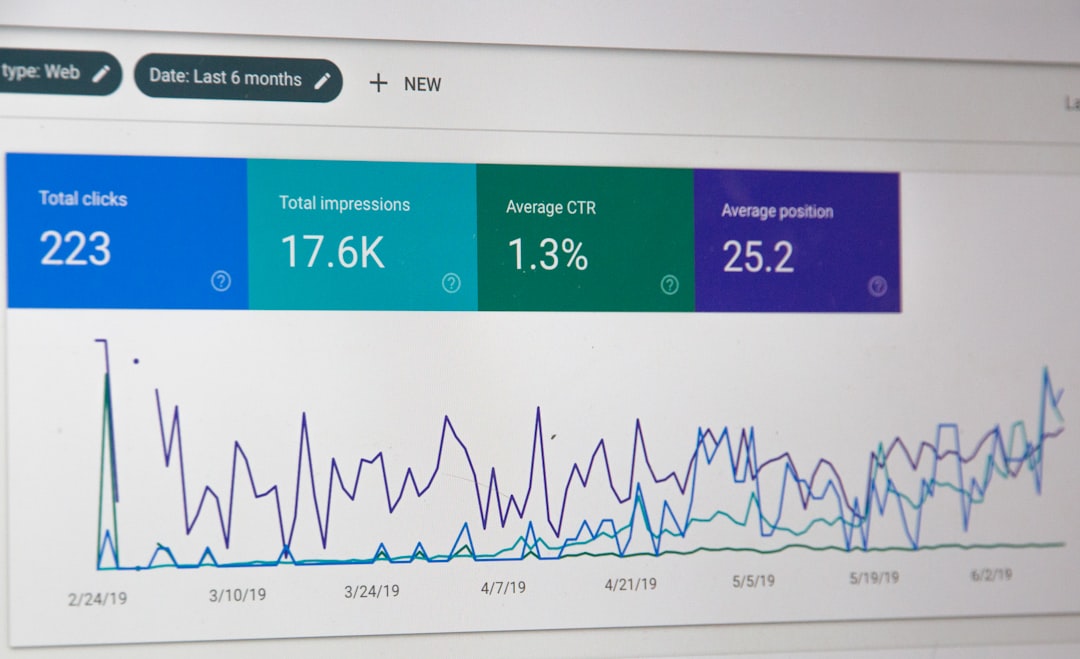
Competitor campaigns can produce impressive click-through rates but weak conversions, or the opposite. Track performance separately from your other search campaigns. Look at cost per acquisition, bounce rate, conversion rate, and assisted conversions.
If a competitor keyword is expensive and does not convert, pause it. If one competitor’s customers are a particularly strong fit, build a more focused landing page and offer.
5. Avoid Attacking the Competitor
Negative messaging may attract attention, but it can also create legal and reputational headaches. Instead of saying, “Acme is overpriced and unreliable,” say something more constructive, such as “Explore a flexible alternative with transparent pricing.”
Position your brand around your strengths, not just the competitor’s weaknesses. Buyers are more likely to trust a confident comparison than a hostile attack.
When Competitor Bidding Makes Sense
This strategy is most useful when your product is a genuine substitute for the competitor’s offering and you have a clear differentiator. It can work well for software, local services, ecommerce products, agencies, and subscription businesses where customers commonly compare vendors before buying.
It is less effective when your brand is not truly comparable, when your budget is small, or when the competitor’s brand loyalty is extremely strong. In those cases, broader non-brand keywords, content marketing, or review-based campaigns may deliver better returns.
Final Thoughts
Using competitor names as keywords in Google Ads is not automatically forbidden, but it is not a shortcut you should use carelessly. The safest and most effective campaigns are transparent, relevant, and built around real comparison value. Avoid misleading ad copy, respect trademark boundaries, and create landing pages that help users make informed decisions.
In short, competitor keyword bidding can be a smart acquisition tactic when you treat it as a comparison strategy, not a deception strategy. If your offer is strong, your messaging is honest, and your data supports the spend, bidding on competitor names can put your brand in front of buyers at exactly the right moment.