HubSpot Sales Hub, Mailshake, Outreach, Salesloft, Mixmax, and Apollo.io are the strongest Yesware alternatives for teams that need better email tracking, outreach automation, and prospect engagement control. Yesware works well for simple Gmail or Outlook tracking, but many teams outgrow it once they need richer sequences, cleaner reporting, or stronger CRM workflows. That matters because sales reps spend only 28% of their week actually selling, according to Salesforce [source: Salesforce].
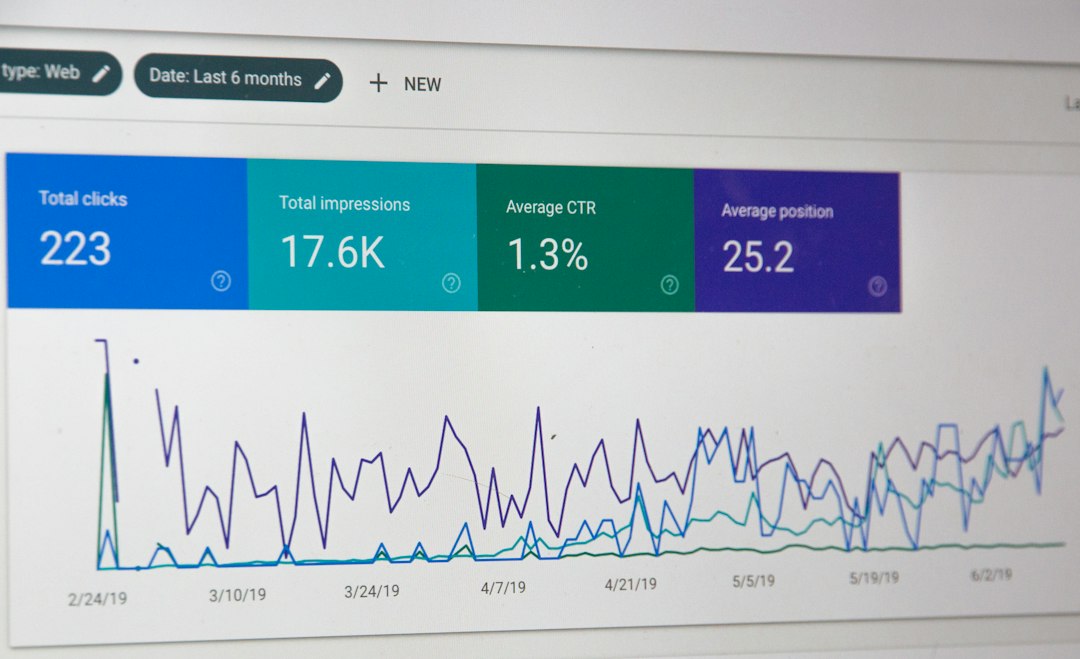
TLDR: Small teams that want fast email tracking should compare HubSpot Sales Hub and Mixmax. Teams sending higher volumes of cold outreach may prefer Mailshake or Apollo.io. Larger teams that need call tasks, coaching, sequence control, and manager reporting should review Outreach or Salesloft. For example, a 10-rep team sending 400 emails per rep each month could track 4,000 touches, spot reply gaps, and shift follow-ups based on opens, clicks, and booked meetings.
1. HubSpot Sales Hub
Best for: teams that want email tracking tied to CRM records.
HubSpot Sales Hub is a strong choice when a team wants one place for contacts, deals, email opens, clicks, templates, meetings, and pipeline activity. It is easier to manage than many enterprise tools. Reps can see what happened with a prospect without jumping between five tabs. That alone saves time.
The catch is that costs can rise as teams add automation, reporting, and seats. Still, HubSpot works well for growing teams that want a clean CRM with outreach features built in. Teams comparing CRMs may also want to read this guide on Pipedrive vs HubSpot for managing sales pipelines.
2. Mailshake
Best for: simple cold email campaigns and follow-up sequences.
Mailshake is useful for sales teams that care about outbound email first. It supports automated follow-ups, personalization, reply tracking, and campaign analytics. It is not bloated, which is refreshing. Reps can build a sequence, test messaging, and see which emails start conversations.
It gets annoying when a team needs deeper account management or advanced deal tracking. Mailshake is not trying to be a full CRM. That is fine for prospecting teams, but not ideal for sales groups that need every touch tied to a complex pipeline.
3. Outreach
Best for: larger sales teams that need structured sales engagement.
Outreach is built for teams that run serious outbound motions. It handles sequences, task queues, email tracking, call steps, testing, rules, and manager dashboards. Sales leaders can see which reps are getting replies, which messages are weak, and where prospects stall.
Outreach can feel heavy for small teams. Setup takes time. Admin work is real. But for companies with SDR teams, account executives, and strict playbooks, it offers control that basic email tracking tools cannot match.

4. Salesloft
Best for: teams that want sales engagement plus coaching features.
Salesloft is another strong Yesware alternative for structured outreach. It supports cadences, call tracking, email insights, meeting workflows, and revenue team reporting. It is especially helpful when managers want to inspect activity quality, not just activity volume.
Teams focused on coaching may pair tools like this with conversation intelligence platforms. This list of sales conversation intelligence platforms is useful for call reviews and performance feedback.
5. Mixmax
Best for: Gmail-heavy teams that want fast tracking and scheduling.
Mixmax is a practical Yesware replacement for teams that live in Gmail. It includes email tracking, templates, sequences, meeting scheduling, polls, reminders, and Salesforce sync. The interface feels quick. Reps can work from the inbox without opening another large sales platform.
Mixmax is strongest for productivity and light outreach. It may not satisfy teams that need advanced forecasting, complex territory rules, or deep manager controls. Still, for smaller teams, it is often simpler than buying a large sales engagement suite.
6. Apollo.io
Best for: prospecting, contact data, email sequences, and engagement tracking in one tool.
Apollo.io combines a B2B database with outreach tools. That makes it useful for teams that need both contact discovery and email automation. Reps can find leads, enrich records, build lists, send sequences, and track engagement from one platform.
Data quality still needs review. No database is perfect. Expect to waste time cleaning titles, regions, and company filters if targeting is too broad. For sales teams comparing data vendors, this guide to ZoomInfo alternatives for mid-market sales teams may help.
How to Pick the Right Yesware Alternative
- Choose HubSpot Sales Hub if CRM visibility matters as much as email tracking.
- Choose Mailshake if the team mainly sends cold email campaigns.
- Choose Outreach if the sales org needs strict process control and advanced reporting.
- Choose Salesloft if coaching, cadences, and rep performance insights are key.
- Choose Mixmax if the team works mostly inside Gmail.
- Choose Apollo.io if prospect data and outreach should sit in one system.
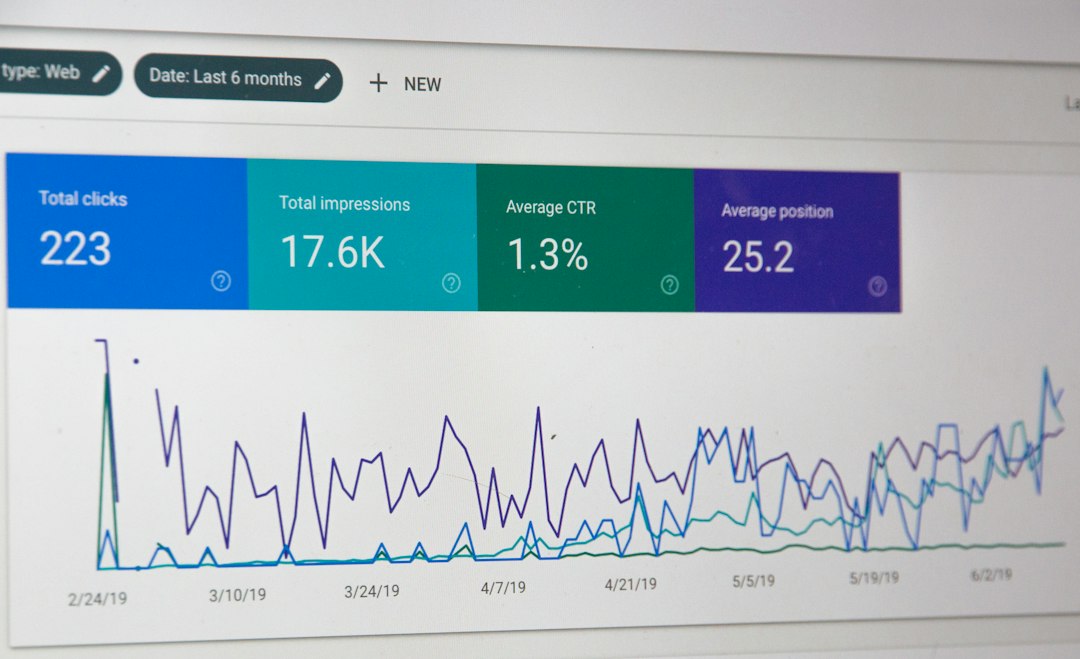
The best choice depends on how the team sells. A founder sending 80 prospect emails per week does not need the same system as a 40-person SDR team. Simple tracking is enough for some teams. Others need sequences, enrichment, analytics, coaching, and CRM sync. Buying too much software too early creates busywork. Buying too little slows every follow-up.
FAQ
What is the best Yesware alternative overall?
HubSpot Sales Hub is the best broad option for many teams because it combines CRM, email tracking, templates, meetings, and reporting.
Which Yesware alternative is best for cold email?
Mailshake is a strong pick for cold email campaigns. Apollo.io is better when the team also needs prospect data.
Which option is best for enterprise sales teams?
Outreach and Salesloft are better choices for larger sales teams that need sequencing, governance, reporting, and coaching workflows.
Is Mixmax better than Yesware?
Mixmax can be better for Gmail users who want fast scheduling, tracking, and inbox-based workflows. Yesware may still fit teams that only need basic tracking.
Does every sales team need email tracking?
No. But most outbound teams benefit from tracking opens, clicks, replies, and booked meetings. Without that data, follow-up timing becomes guesswork.