Navattic, Storylane, Walnut, Supademo, Tourial, Reprise, and Userflow are the strongest Arcade AI alternatives for teams that need interactive demos, cleaner onboarding, and sales enablement content that does more than sit on a landing page. Buyers now do much of their research before a sales call, and Gartner says B2B buyers spend only 17% of their purchase time meeting suppliers [source: Gartner]. That means your demo has to explain, qualify, and persuade before a rep ever joins the room.
TLDR: If you want a polished self guided product demo, start with Navattic or Storylane. If your sales team needs tailored demos for enterprise deals, look at Walnut or Reprise. For example, a SaaS team with 4,000 monthly trial users could add a 90 second onboarding tour and lift completion from 38% to 52%, helping 560 more users reach the “aha” step. Supademo and Userflow are better when you need quick tutorials, while Tourial works well for marketing pages.
1. Navattic
Best for: self guided product demos on marketing pages.
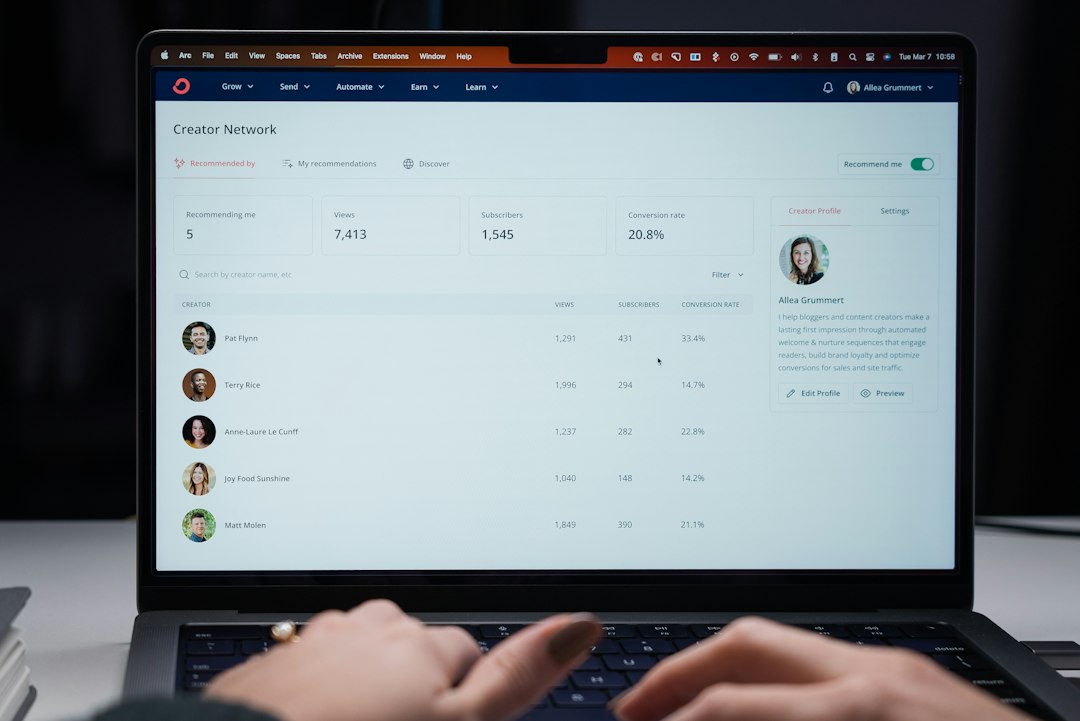
Navattic is one of the most popular choices for SaaS teams that want click through demos without forcing visitors to book a call. It lets you build guided flows, add tooltips, gate demos with forms, and track how far people get.
Why pick it over Arcade AI? Navattic feels more built for demand generation and product led sales. Its analytics are strong, and the end result feels polished. The catch is that setup can take real planning. If your product flow changes every week, expect edits.
2. Storylane
Best for: fast demo creation across marketing, sales, and support.
Storylane is easy to like because it helps teams build demos from screenshots, HTML captures, and guided steps. It is friendly for non technical teams, so marketers and customer success managers can create demos without asking engineers for help.
It works well for feature launches, help center content, onboarding checklists, and sales follow ups. If you also create videos, you may want to pair it with screen recording tools for product demos to cover both interactive and watch only formats.
3. Walnut
Best for: sales teams running personalized demos.
Walnut is built for revenue teams that need to tailor demos by industry, persona, and deal stage. Reps can create demo versions that match a prospect’s pain points without risking a messy live product environment.
This is useful when selling complex software. A rep can show a finance leader a reporting workflow, then show an operations lead a different view. Honestly, it feels like overkill for small teams, but for enterprise sales it can save a lot of awkward screen sharing.
4. Supademo
Best for: quick how to guides, onboarding flows, and support tutorials.
Supademo is lighter than Walnut or Reprise, and that is the point. You can capture a workflow, add text guidance, and share it fast. It is great for customer success teams that answer the same “How do I do this?” question every day.
Where it shines: internal training, product education, help docs, and simple onboarding paths. It may not be the best fit for high value sales demos that need deep personalization, but it is quick and practical.
5. Tourial
Best for: demo centers and interactive product stories.
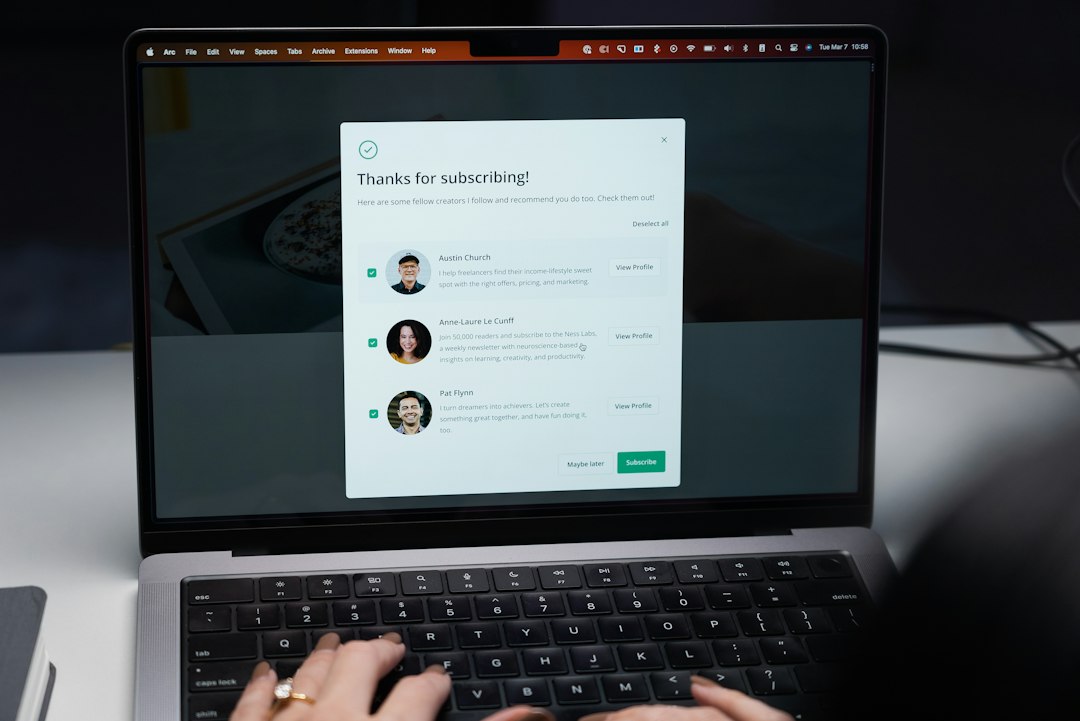
Tourial helps teams turn product tours into structured content hubs. Instead of one long demo, you can create paths for different roles or pain points. That makes it useful for websites where buyers want to choose their own route.
It is especially strong for marketing teams that care about content performance. You can see which sections people view, where they drop off, and which CTAs get clicks. It drives me crazy when demo tools hide that data behind vague dashboards. Tourial is better than most here.
6. Reprise
Best for: advanced enterprise demos and product replicas.
Reprise is a serious option for companies that need controlled demo environments. It supports product tours, demo sandboxes, and live style experiences without using real customer data. That matters when security, compliance, or messy demo accounts become a problem.
The tradeoff is effort. Reprise is powerful, but it is not always the fastest tool to roll out. Teams usually need a clear demo strategy before they start building. For larger sales orgs, that extra work can pay off.
7. Userflow
Best for: in app onboarding and activation.
Userflow is different from most Arcade AI alternatives because it focuses on in product guidance. You can build onboarding checklists, tooltips, surveys, and announcements inside your app. That makes it great for trial users and new customers.
Use it when the goal is not just to show the product, but to help people use it. A good flow can push users to connect an integration, invite a teammate, or finish account setup. Those small steps often decide whether a trial turns into a paid account.
How to choose the right tool
- For website demos: choose Navattic, Storylane, or Tourial.
- For sales enablement: choose Walnut or Reprise.
- For onboarding: choose Userflow or Supademo.
- For fast content creation: choose Supademo or Storylane.
- For enterprise control: choose Reprise or Walnut.
Final pick: Navattic is the safest all around Arcade AI alternative for self guided demos. Storylane is best if speed matters. Walnut and Reprise fit bigger sales teams. Supademo and Userflow are better for education and onboarding. Tourial is ideal when your product demo needs to act like a guided content experience, not just a simple click path.