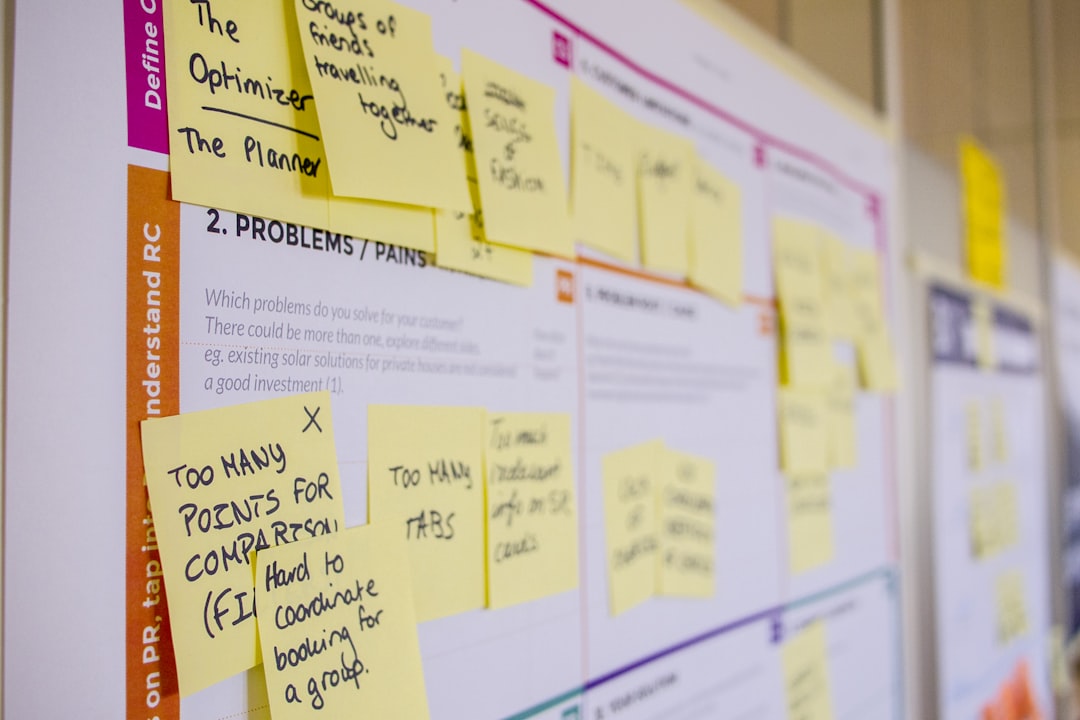
A content roadmap is a practical plan that connects business goals to campaigns, channels, publishing dates, and measurable outcomes. It turns scattered ideas into a clear sequence of work, so teams know what to create, why it matters, where it will go, and how success will be judged.
TLDR: A content roadmap helps you plan campaigns, channels, and publishing goals before production starts. For example, a SaaS team might plan a 90-day roadmap with 12 blog posts, 8 LinkedIn posts, 3 email sequences, and 2 webinars tied to one product demo goal. If the goal is to raise demo bookings by 25%, every asset should support that target instead of floating around as “nice-to-have” content.
What a Content Roadmap Actually Does
A content roadmap is not just a calendar. A calendar tells you when something goes live. A roadmap explains why it exists, who it serves, which channels will carry it, and what result it should produce.
Think of it as the bridge between strategy and execution. Without it, teams often chase random ideas, repeat topics, miss sales priorities, or publish because “we need something this week.” It drives me crazy that so many teams still treat content planning as a last-minute spreadsheet scramble. That usually means rushed briefs, vague goals, and five people asking the same question in different Slack threads.
A strong roadmap gives each piece of content a job. One article may attract search traffic. One case study may help sales close deals. One email may bring inactive leads back into motion. One short video may explain a confusing feature in 45 seconds.

The Core Parts of a Content Roadmap
A useful content roadmap usually includes six core parts. You can make it simple or detailed, but these pieces should be there.
- Business goal: The larger target, such as more demos, more paid trials, higher retention, or stronger brand awareness.
- Audience segment: The specific group you want to reach, such as new buyers, current customers, decision makers, or product users.
- Campaign theme: The central message or topic cluster, such as “reduce onboarding time” or “plan better seasonal promotions.”
- Content formats: Blog posts, videos, landing pages, podcasts, newsletters, webinars, guides, or social posts.
- Channels: Search, email, LinkedIn, YouTube, paid ads, partners, communities, or sales enablement.
- Metrics: The numbers that prove whether the work helped, such as traffic, leads, conversion rate, demo bookings, revenue influence, or retention.
Start With Goals, Not Topics
Many content plans fail because they start with topics. “Let’s write about trends.” “Let’s post more on social.” “Let’s do a webinar.” These may be fine ideas, but they are not a plan.
Start with the business goal first. Then work backward.
For example, if the goal is to increase product trial signups by 18% in one quarter, your roadmap may include:
- Top of funnel: SEO articles that answer common pain points.
- Middle of funnel: comparison pages, buyer guides, and proof-based content.
- Bottom of funnel: case studies, demo pages, email nudges, and retargeting ads.
- Customer content: onboarding emails and tutorials to reduce early churn.
This keeps the team honest. If an idea does not support the goal, park it. Good ideas can still be bad timing.
Map Campaigns Before You Map Dates
A campaign is a connected set of content assets built around one clear message. A publishing date is only one small part of that system.
Say your campaign theme is “Cut reporting time in half.” Your roadmap might include:
- A long-form guide on manual reporting problems.
- A calculator that estimates hours lost each month.
- A short customer story showing a 42% time reduction.
- Three LinkedIn posts with stats from the guide.
- An email sequence for leads who downloaded the calculator.
- A webinar with a product walkthrough.
Now the campaign has shape. Each asset supports the same message, but each one fits a different buyer moment.

Choose Channels Based on Intent
Channels are not equal. They serve different jobs. A content roadmap should match the channel to the audience’s intent.
- Search: Best for people actively asking questions or comparing options.
- Email: Best for nurturing leads, educating customers, and prompting action.
- LinkedIn: Strong for thought leadership, B2B awareness, founder content, and expert commentary.
- YouTube: Useful for tutorials, demos, reviews, and visual explanations.
- Paid social: Helpful for testing angles and amplifying proven content.
- Sales content: Best for late-stage buyers who need proof, clarity, or internal buy-in.
Honestly, it feels like some planning tools make this harder than it needs to be. You add one campaign, then spend 20 extra seconds clicking through fields just to tag the channel properly. That friction sounds small, but across 80 assets, it becomes a real planning tax.
Set Publishing Goals That Mean Something
“Publish four blog posts per month” is an output goal. It may be useful, but it does not show business value by itself.
Better publishing goals connect volume to impact. For example:
- Publish 10 SEO articles to grow non-branded organic traffic by 15%.
- Launch 6 customer stories to improve sales close rates by 8%.
- Send 4 onboarding emails to reduce first-month churn by 5%.
- Create 12 short product videos to cut support tickets on key features by 10%.
These goals still care about production. They just connect production to results.
A Practical Framework for Building Your Roadmap
Use this simple framework to build a roadmap that your team can actually follow.
- Define the time period. Pick 30, 60, 90, or 180 days. A 90-day roadmap is often the sweet spot. It gives enough room for campaigns without becoming fantasy planning.
- Pick one to three business goals. Too many goals will split focus. Choose the targets that matter most right now.
- Choose audience segments. Be specific. “Small business owners” is broad. “Operations managers at 50-person service companies” is much easier to plan for.
- Group topics into campaigns. Turn loose ideas into themes. Each theme should support a buyer need or business priority.
- Assign formats and channels. Decide what each asset should become and where it will be published.
- Add owners and deadlines. Name the writer, editor, designer, reviewer, and publisher. No mystery tasks.
- Set metrics before launch. Decide what success looks like before anyone writes a draft.
- Review performance on a fixed schedule. Weekly for production. Monthly for performance. Quarterly for strategy.
What to Include in a Simple Roadmap Table
You do not need a fancy system to start. A clean table can work well.
| Field | Purpose |
|---|---|
| Campaign | Shows the larger theme. |
| Asset | Names the content piece. |
| Audience | Clarifies who it is for. |
| Channel | Shows where it will appear. |
| Goal | Connects the asset to a result. |
| Status | Tracks progress. |
| Owner | Makes responsibility clear. |
| Publish date | Keeps delivery visible. |
Common Mistakes to Avoid
- Planning too much content. A bloated roadmap creates delays and weak work. Cut it down.
- Ignoring distribution. Publishing is not the finish line. Plan how each asset will be promoted.
- Using vague metrics. “Engagement” is not enough. Pick clearer numbers.
- Forgetting sales and support teams. They hear real objections every day. Use that insight.
- Never updating the roadmap. A roadmap should guide work, not freeze it forever.
How to Know Your Roadmap Is Working
A good roadmap reduces confusion. Meetings get shorter. Briefs improve. Deadlines become more realistic. Content starts to connect across channels instead of appearing as isolated posts.
You should also see cleaner reporting. After 60 to 90 days, you can compare campaigns by traffic, leads, conversions, and assisted revenue. If one campaign brings 4,000 visits but only 12 leads, while another brings 900 visits and 47 leads, your next decision becomes obvious.
The best content roadmap is simple enough to use and structured enough to guide real choices. It helps teams stop guessing, stop rushing, and stop publishing content with no clear purpose. More than anything, it turns content into planned work with measurable value.