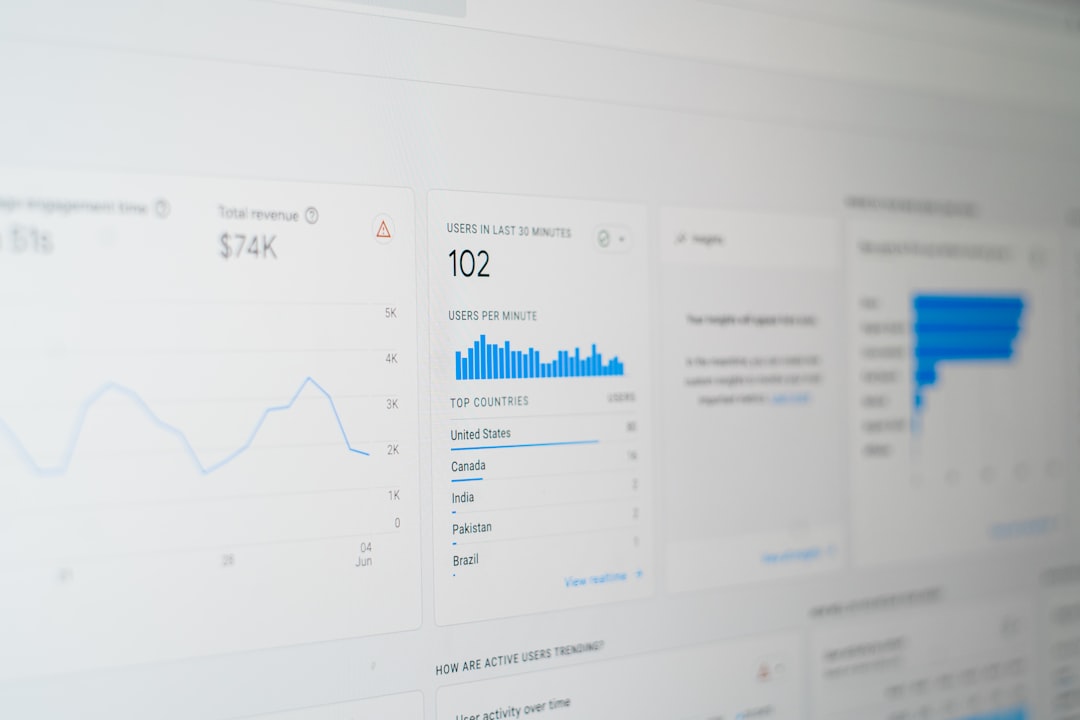
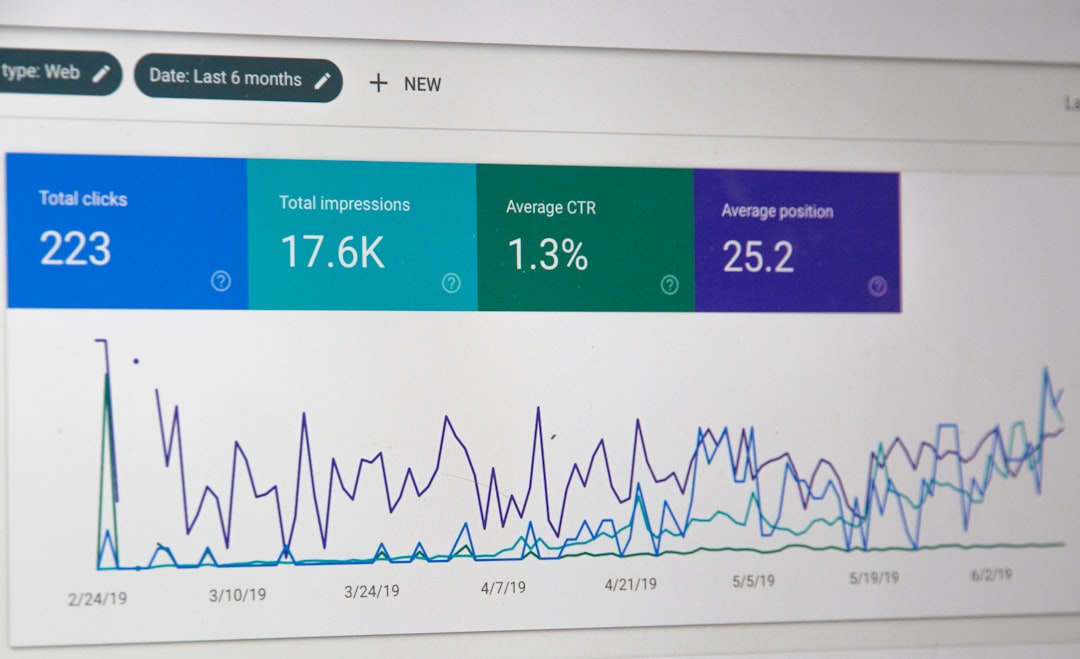
Choose Similarweb if your brand question starts with “Who is winning the market?” and choose Semrush if it starts with “Why are people finding them instead of us?” For brand market research, Similarweb is stronger for traffic share, audience behavior, channel mix, and competitor benchmarking. Semrush is stronger for search demand, keyword ownership, content gaps, and paid search visibility.
TLDR: Similarweb is better for sizing a brand’s online presence across websites, categories, and acquisition channels, while Semrush is better for explaining search visibility and content performance. For example, a skincare brand comparing itself with three rivals might use Similarweb to see that a competitor owns 38% of category traffic, then use Semrush to find that 62% of that competitor’s organic visits come from “retinol serum” and related terms. Use both if budget allows. If you can only pick one, match the tool to the decision you need to make this month.
What “brand market research” really means here
Brand market research is not just a logo preference survey. It is the work of answering practical questions:
- How visible is our brand compared with rivals?
- Where does competitor traffic come from?
- Which audience segments are showing interest?
- What search terms are tied to our category?
- Which brands are gaining demand before we notice it in sales?
That is where Similarweb and Semrush overlap. Both help teams study competitors, demand, and audience interest. But they do it from different angles. Similarweb starts with the market and traffic picture. Semrush starts with search behavior and digital visibility.

Similarweb: best for market size and competitor traffic
Similarweb is built for market view research. It estimates website traffic, traffic sources, engagement metrics, geography, referrals, display ads, app usage, and category trends. For brand teams, that means you can see how a company performs beyond its own analytics account.
This is useful when you need to answer big questions fast. Is a rival growing because of search, paid media, affiliates, social, or referrals? Is their traffic global or heavily tied to one country? Are people visiting once and leaving, or coming back often?
A brand manager at a fitness app company, for example, could compare five rival sites and apps. Similarweb might show that one competitor gets 4.2 million monthly visits, with 44% from direct traffic and 21% from referrals. That hints at brand strength and partner activity. Semrush can explain the SEO side, but Similarweb gives the broader channel map first.
Where Similarweb shines
- Category benchmarking: Compare brands inside a sector, not just keyword sets.
- Traffic source analysis: See direct, search, referral, social, email, and paid traffic estimates.
- Audience research: Study interests, visited sites, geography, and device trends.
- Competitor discovery: Find adjacent brands you may not track yet.
- Market share signals: Estimate who captures the most online attention.
The catch is that Similarweb can feel pricey once you need clean exports, deeper country cuts, or longer trend windows. Some reports also vary by website size. Small sites can show thinner data, which can be annoying when researching niche brands.
Semrush: best for brand demand and search visibility
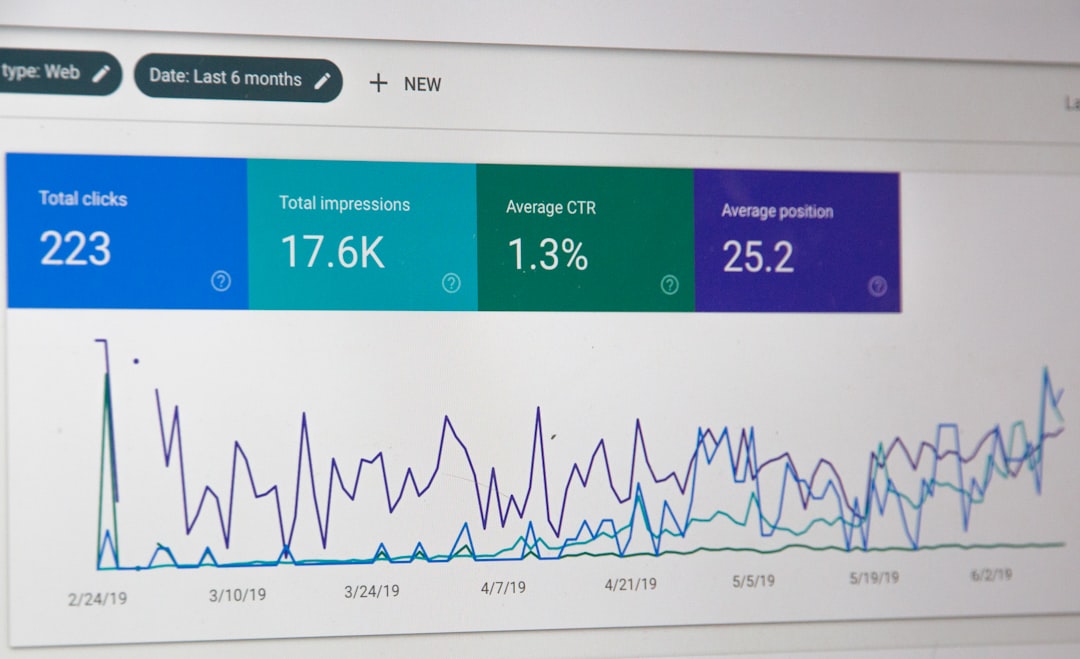
Semrush is strongest when brand research depends on search behavior. It helps you see which keywords a brand ranks for, how much traffic those rankings may create, what competitors buy in Google Ads, and where content gaps exist.
For brand market research, branded search is a goldmine. If searches for “Brand A reviews” rise by 35% over six months, interest is rising. If “Brand B discount code” spikes, buyers may be price sensitive. If “Brand C vs Brand D” grows, the market is narrowing into direct comparisons.
Semrush also helps decode intent. A brand may look strong in traffic volume, but weak in high-intent terms. Another may have smaller traffic but dominate terms like “best invoice software for freelancers” or “enterprise password manager pricing.” That matters.
Where Semrush shines
- Branded keyword tracking: Measure search demand for your brand and competitors.
- Organic visibility: See which pages and terms bring search traffic.
- Content gap analysis: Find topics rivals rank for and you do not.
- Paid search research: Study competitor ad copy, spending signals, and promoted terms.
- Backlink research: Check brand authority, PR impact, and partnership signals.
Honestly, it feels like Semrush sometimes makes you jump between too many modules to finish one simple research task. Keyword data sits in one area, traffic data in another, ads somewhere else. After a while, those extra clicks get old.
Side by side: which tool fits which brand question?
| Brand research question | Better tool | Why |
|---|---|---|
| Who gets the most category traffic? | Similarweb | It is built for traffic share and market comparison. |
| Which keywords create competitor demand? | Semrush | It has deep organic and paid keyword data. |
| Which channels drive competitor growth? | Similarweb | It breaks down traffic sources across sites. |
| Why did a rival outrank us? | Semrush | It shows rankings, backlinks, content, and search intent. |
| Which countries show rising interest? | Similarweb | It is useful for regional traffic and audience splits. |
| What content should we create next? | Semrush | It reveals topic gaps and keyword opportunities. |
A practical workflow using both
If you have access to both tools, use Similarweb first. Start wide. Then use Semrush to explain what you found.
- Build your competitor set in Similarweb. Compare traffic, engagement, geography, and channel mix.
- Spot the outlier. Maybe one rival has lower total traffic but much higher visit duration.
- Check search drivers in Semrush. Review branded terms, nonbranded terms, top pages, and paid search.
- Separate brand demand from content demand. “Nike running shoes” is not the same as “best running shoes for flat feet.”
- Turn findings into action. Build campaigns, content, partnerships, or media tests based on the evidence.
Say a meal kit brand sees that a competitor’s traffic jumped 28% quarter over quarter in Similarweb. The channel split shows referral traffic doubled. Semrush then shows new backlinks from food blogs and rankings for “high protein meal delivery.” Now the team has a usable theory. The rival did not just get lucky. It won partnerships and search interest around a specific consumer need.

Accuracy and data limits
Neither tool gives perfect truth. Both rely on estimates, third party datasets, modeling, and sampling. Your own analytics platform will always be more accurate for your owned properties.
Similarweb can be less reliable for small sites with low traffic. Semrush keyword volumes can differ from Google Search Console and Google Ads. This does not make the tools useless. It means you should use them for directional insight, not courtroom-level proof.
A smart rule: trust patterns more than one-off numbers. If three competitors all show rising branded search, that likely means growing category demand. If one tiny site shows a strange traffic spike for one month, verify it before acting.
Which one should your brand team buy?
Pick Similarweb if your team works on market sizing, competitor monitoring, media planning, partnerships, or international expansion. It gives a better top-level read of who is winning attention online and where that attention comes from.
Pick Semrush if your team works on SEO, content strategy, PPC, brand search demand, or message testing. It is better for finding the words, pages, and ads that shape discovery.
For startups, Semrush is often the more practical first buy because search and content tasks are immediate. For larger brands, Similarweb may answer higher-level strategy questions that keyword tools cannot handle alone. Enterprise teams usually get the best value from using both, with clear roles for each.
Final recommendation
Similarweb tells you where the market is moving. Semrush tells you what people are searching and why competitors show up. That difference matters.
If your next meeting is about market share, audience behavior, or competitor channel mix, use Similarweb. If it is about search demand, rankings, content, or paid keywords, use Semrush. If the decision carries real budget risk, use both and compare the story from each angle.