For emergency roof repair, call a licensed local roofer first, then use Angi or HomeAdvisor to widen your search if you cannot get a same-day response. Angi is usually better for comparing company profiles, reviews, and service history. HomeAdvisor can be useful when you want quick matching, but it may trigger repeated calls from contractors. In a roof leak or storm damage situation, speed matters, but so does proof of licensing, insurance, and real emergency availability.
TLDR: Use Angi if you want more control over comparing roofers before you call. Use HomeAdvisor if you want fast contractor matches and are prepared for several follow-up calls. For example, a homeowner with a ceiling leak after a storm might contact three roofers through Angi and two through HomeAdvisor, then hire the first licensed contractor who can tarp the roof within 4 hours. In urgent cases, aim to get at least 2 quotes, but do not delay temporary protection if water is entering the home.
What matters most in an emergency roof repair
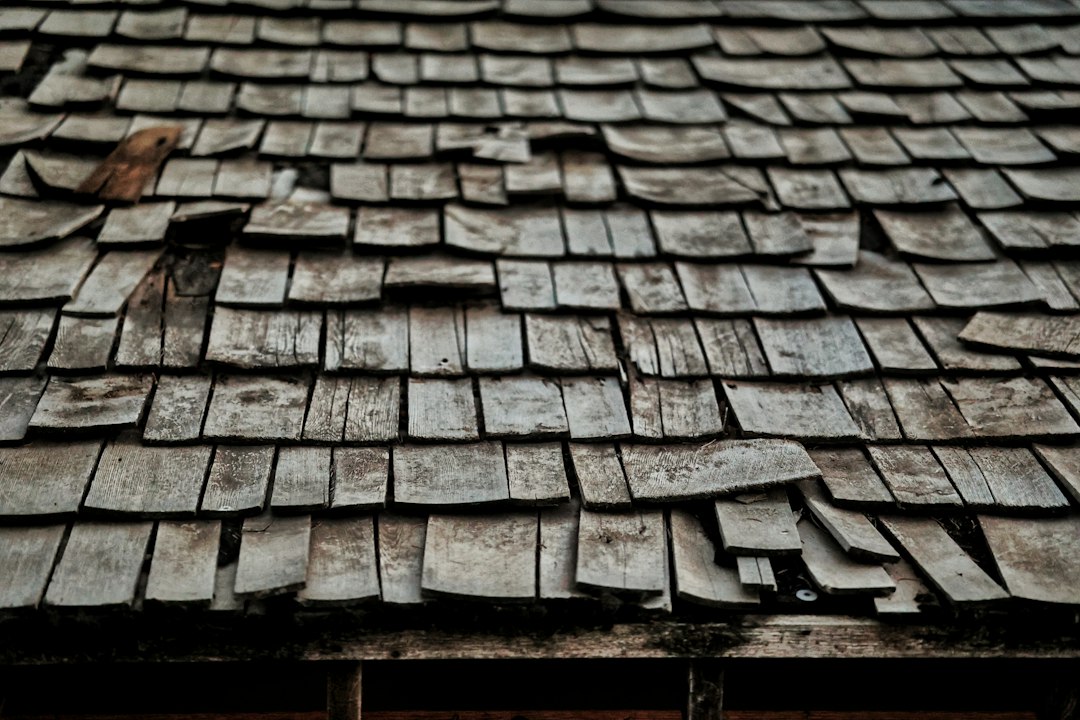
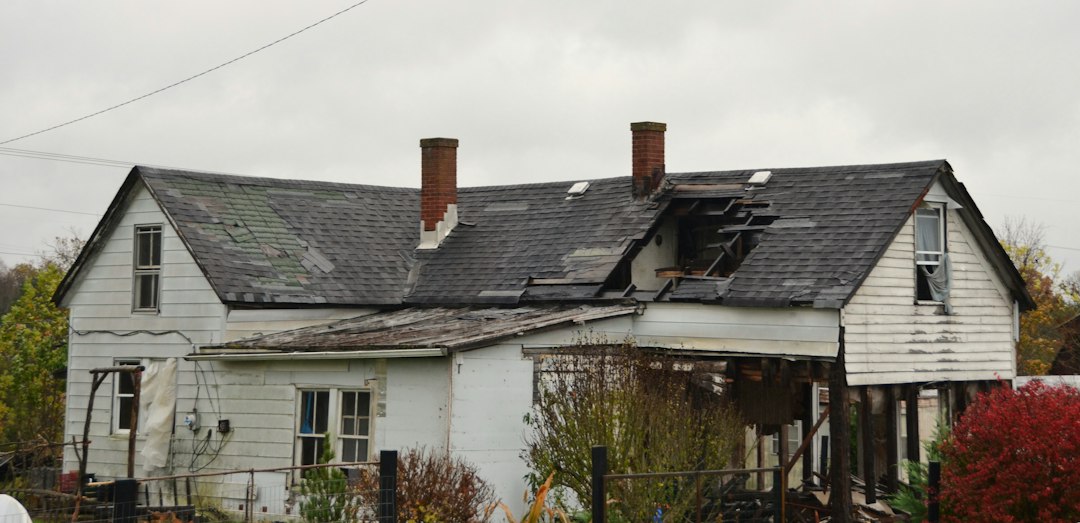
An emergency roof repair is not a normal home improvement project. You are not shopping for new gutters or comparing shingle colors. You may have active water intrusion, missing shingles, punctures from tree limbs, or flashing failure near a chimney. The first goal is simple: stop more damage.
That usually means a temporary tarp, emergency sealant, patching around roof penetrations, or removing debris. Full repair can happen later, once the roof is dry and the damage is documented.
Before using any platform, take these steps:
- Move valuables away from active leaks.
- Photograph the damage inside and outside, if safe.
- Call your insurer if the damage may involve a claim.
- Do not climb onto the roof during rain, wind, or darkness.
- Ask for emergency tarping first, not a full roof replacement pitch.
Angi for emergency roofing services
Angi tends to work best when you want to compare roofing companies in a structured way. You can review profiles, ratings, service categories, and customer comments. That helps when you need a roofer quickly but still want to avoid hiring the first person who answers the phone.
The main benefit of Angi is that it can give you more visible background on contractors. Reviews, job types, badges, and company details may help you sort serious roofing firms from general handymen claiming they “do roofs.” That matters. Emergency roof work can affect insurance coverage, structural safety, and warranty rights.
The drawback is that not every listed contractor is truly available for emergency work. A company may show up in roofing search results but still be booked for days. Honestly, it feels like some profiles make availability seem easier than it is. You may still need to call several businesses before finding one that can arrive the same day.
HomeAdvisor for emergency roofing services
HomeAdvisor is built around matching homeowners with service providers. You enter the type of job, location, and urgency, then the system sends your request to contractors. For emergency roof repair, that can save time if you need calls coming in quickly.
The main benefit of HomeAdvisor is speed. If several contractors in your area accept roofing leads, you may hear from them within minutes. That can be useful at 7 p.m. after a storm, when calling individual roofing companies is slow and frustrating.
The downside is contact overload. Expect to waste time on a few calls that do not fit your situation. Some contractors may be too far away, unavailable until tomorrow, or more interested in selling a roof replacement than stopping the leak. It drives me crazy that a simple urgent request can turn into repeated callbacks when all you need is a tarp and a written estimate.
Angi vs HomeAdvisor: which is better in a true emergency?
For a true emergency, the better platform is the one that gets you a qualified roofer fastest. Still, there are practical differences.
| Factor | Angi | HomeAdvisor |
|---|---|---|
| Best use | Comparing roofing companies before calling | Getting quick contractor responses |
| Control | Higher, since you can review options | Lower, since matches may contact you directly |
| Speed | Good, but depends on calls and responses | Often faster for initial contact |
| Annoyance factor | Profiles may not reflect real availability | More calls, some poor matches |
| Best for | Homeowners who want to screen carefully | Homeowners who need rapid outreach |
If water is actively entering your house, use both. Submit one request through HomeAdvisor, search Angi for highly rated emergency roofers, and call local roofing companies directly. You are not being disloyal to a platform. You are protecting your home.
How to screen an emergency roofer fast
Do not skip basic checks because you are stressed. Bad emergency repair work can create bigger problems later. Ask direct questions and listen for clear answers.
- Are you licensed for roofing in this state or city?
- Do you carry general liability insurance and workers compensation?
- Can you provide emergency tarping today?
- Will I receive photos before and after the temporary repair?
- Do you provide a written invoice with labor, materials, and service details?
- Is this a temporary repair or a permanent repair?
A serious roofer will not be offended by these questions. They hear them often. Be cautious if someone demands full payment upfront, refuses to share company details, or pressures you to sign an insurance assignment before inspecting the roof.
Costs and timing to expect
Emergency roof repair costs vary by region, storm severity, roof pitch, height, and material. A basic emergency tarp may cost a few hundred dollars. Larger tarping, after-hours service, or steep roofs can cost much more. Permanent repairs may range from minor flashing work to major structural repair.
After a large storm, prices may rise because demand spikes. Same-day availability can shrink fast. If 200 homes in your area have wind damage, even good companies will triage calls. Homes with active interior leaks, elderly residents, or exposed decking may receive priority.
Ask for these details in writing:
- Arrival window and emergency service fee.
- Scope of temporary work, including tarp size or patch location.
- Photos for your records and possible insurance claim.
- Next-step estimate for permanent repair.
Insurance and documentation
If storm damage is involved, documentation matters. Take photos before any work starts, if it is safe. Save messages from the contractor. Keep invoices. Ask the roofer to note whether the damage appears related to wind, hail, falling debris, aging materials, poor installation, or another cause.
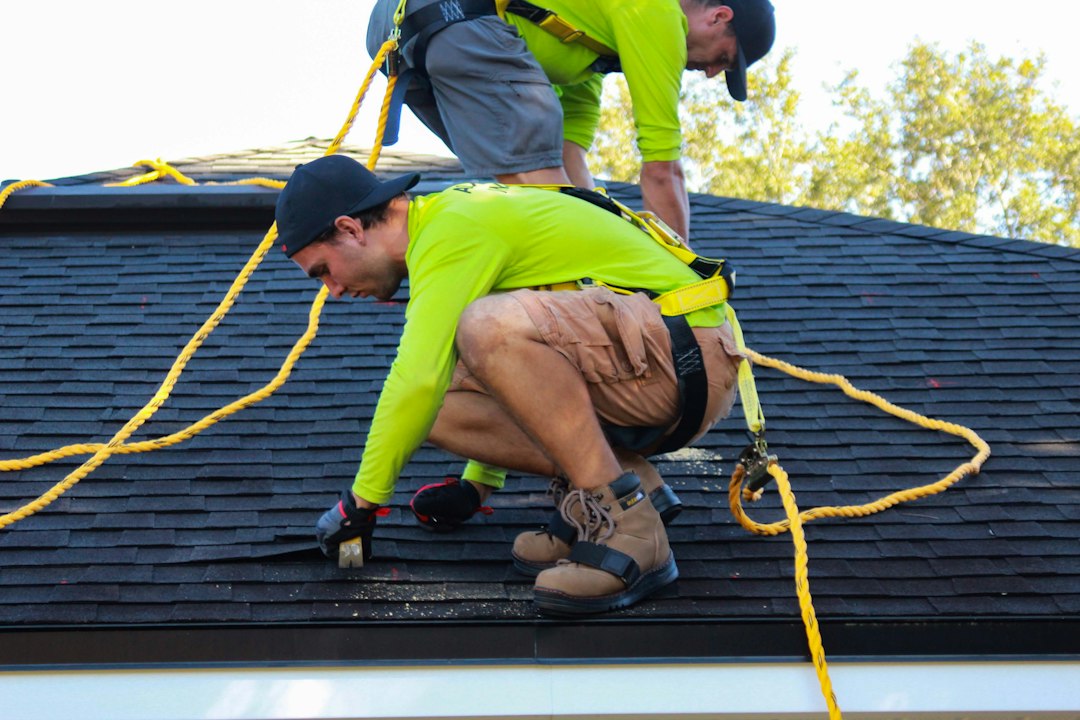
Do not let a contractor create damage to support a claim. That is fraud. Also be careful with anyone who says the repair will be “free” without reviewing your deductible and policy terms. A trustworthy roofer can explain damage clearly without making promises about what your insurer will pay.
Final recommendation
Use Angi when you have a little time to compare roofers. It is better for reviewing company details and making a more informed call. Use HomeAdvisor when speed is the priority and you want contractors pushed toward your request quickly.
For the safest result, combine both with direct calls to local roofing companies. Hire the first qualified roofer who can stop active water intrusion, prove insurance, and give written documentation. Emergency roof repair is about damage control first. Careful permanent repair comes next.