QR codes are no longer just little black squares on posters. They can live on shirts, tote bags, quilts, scarves, labels, and even curtains. When you print a QR code on fabric, you turn soft material into a tiny doorway. A scan can open a website, menu, video, map, coupon, music playlist, art page, or care guide.
TLDR: QR code fabric is fabric printed with a scannable QR code. It is fun for fashion, events, packaging, crafts, and business items. Keep the code clear, high contrast, flat, and large enough to scan. Always test it before printing a full batch.
What Is QR Code Fabric?
QR code fabric is any textile that has a QR code printed, woven, embroidered, or heat pressed onto it. The code works like a bridge. Your phone camera reads the pattern. Then it sends you to digital content.
That content can be simple. It may be a product page. It may be a recipe. It may be a video message from a bride and groom. It may be a funny secret note on a hoodie. The fabric becomes interactive. That is the magic.
But fabric is not paper. Fabric bends. It stretches. It wrinkles. It washes. So a QR code on fabric needs smart planning. Do not worry. It is not scary. It just needs a few easy rules.
Why Put a QR Code on Fabric?
Because it makes people curious. A QR code says, “Scan me. There is something here.” That is playful. It is also useful.
Here are some reasons people use QR code fabric:
- It saves space. A small code can hold a lot of information.
- It looks modern. It gives fabric a techy twist.
- It can be updated. If you use a dynamic QR code, the link can change later.
- It starts conversations. People love asking, “What does it do?”
- It connects real life to online life. Soft meets smart.
Creative Uses for QR Code Fabric
Let’s get to the fun part. QR codes on fabric can be cute, clever, silly, or very practical. Here are ideas you can steal today.
1. Event Shirts
Make T-shirts for a concert, family reunion, school trip, or charity run. Add a QR code on the sleeve or back. It can link to the event schedule, photo album, donation page, or playlist.
For weddings, a QR code on napkins or handkerchiefs can link to the love story, guest book, or table seating chart. Fancy? Yes. Useful? Also yes.
2. Smart Tote Bags
A printed tote bag is already a walking billboard. Add a QR code and it becomes a walking portal. Use it for a shop, museum, farmers market, or book club.
The code can link to a coupon. It can link to “how this bag was made.” It can link to a membership signup. It can even link to a rotating page with new deals.
3. Clothing With Secret Messages
Want a hoodie that hides a joke? Or a patch that opens a poem? QR code fabric makes it easy.
A small code on a cuff can link to a favorite song. A code inside a jacket can link to travel memories. A code on a festival outfit can link to your social profile. It is like a digital tattoo, but washable.
4. Product Labels and Care Tags
Fabric care tags are tiny. They can only say so much. A QR code can say much more.
Use a QR tag to link to:
- Washing instructions
- Size guides
- Repair tips
- Warranty details
- Product origin stories
- Reorder pages
This is great for handmade sellers. It is also great for clothing brands. Your customer gets help without reading a long tag in tiny print.
5. Quilts and Memory Blankets
This idea is sweet. Add QR codes to memory quilts. Each code can link to a photo, voice note, video, or family story.
Imagine a grandma quilt with one square for each grandchild. Scan a square. Hear that child say, “I love you.” That is fabric with feelings.
6. Museum and Gallery Textiles
Textile art can be interactive. A wall hanging can include QR codes that explain the meaning of each section. A costume display can link to a video of the garment being made.
This helps visitors learn more without crowding the display with text. It also makes the visit more personal.
7. Restaurant Aprons and Table Linens
A QR code on an apron can link to a menu. A QR code on a table runner can link to daily specials. A code on a cloth napkin can link to wine pairings or dessert options.
Just keep food stains in mind. Tomato sauce is not QR friendly.
Best Fabrics for QR Codes
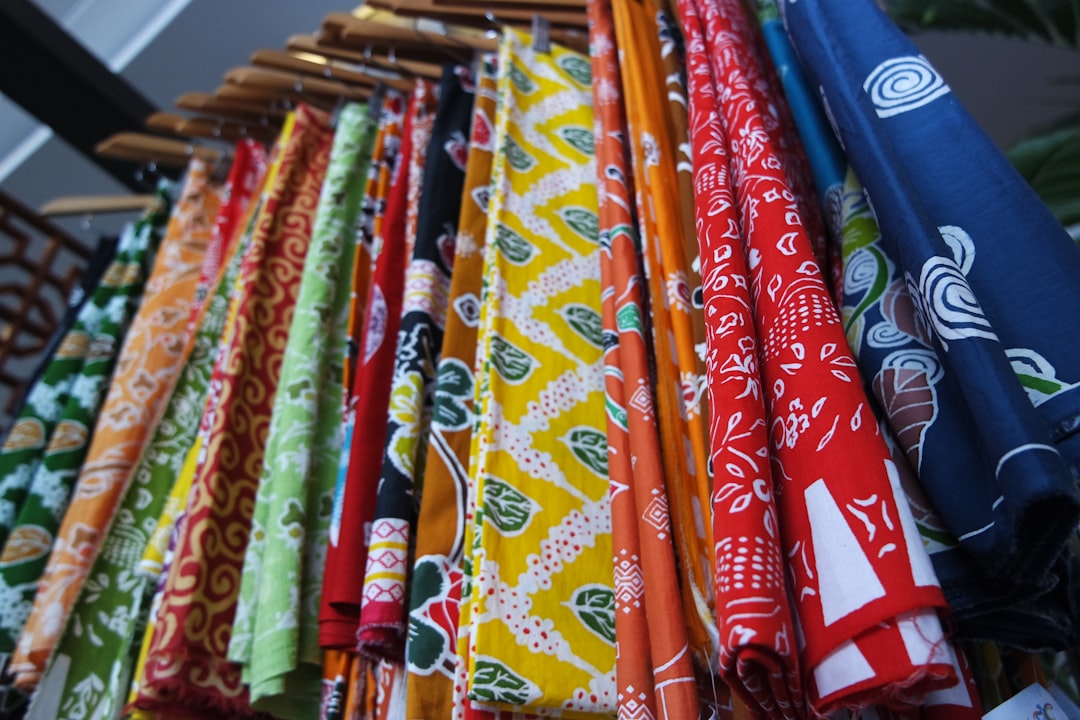
Some fabrics are better than others. The best fabric is smooth, stable, and not too stretchy.
Great choices include:
- Cotton poplin: Smooth and easy to print.
- Canvas: Strong and good for bags.
- Polyester: Great for sublimation printing.
- Twills: Durable and good for patches.
- Felt: Fun for crafts, but test first.
Tricky fabrics include:
- Rib knit: It stretches and can distort the code.
- Very fuzzy fleece: The edges may blur.
- Loose linen: The weave may break small details.
- Sheer fabric: The background may not stay solid.
- Shiny satin: Glare can make scanning harder.
If your fabric moves a lot, make the QR code bigger. Bigger is safer. Bigger is calmer. Bigger is your friend.
QR Code Design Rules
A QR code can be stylish. But it must still work. A pretty code that does not scan is just a fancy checkerboard.
Follow these simple rules:
- Use strong contrast. Black on white is best. Dark navy on cream can work. Light gray on pink may fail.
- Keep the background plain. Busy patterns confuse the camera.
- Leave a quiet zone. This is empty space around the code. Do not crowd it.
- Do not stretch it. Keep the code square. Not tall. Not wide. Square.
- Use a short URL. Short links create simpler codes. Simpler codes print better.
- Choose error correction. Higher error correction helps if fabric wrinkles or ink spreads.
- Test on phones. Use both iPhone and Android if you can.
You can add color. You can add a small logo. You can round corners. But do not get wild. QR codes like neat edges. They are tiny digital librarians. They prefer order.
How Big Should the QR Code Be?
Size matters. A lot.
For fabric, a safe size is usually at least 1.5 inches by 1.5 inches. Bigger is better if the fabric will bend or move. For shirts, bags, and aprons, try 2 inches or more. For banners or curtains, go much larger.
Think about scan distance. If people scan from close up, the code can be smaller. If they scan from across a room, it must be larger.
Here is a simple guide:
- Care tag: 1 inch may work, but test carefully.
- Patch: 1.5 to 2 inches is better.
- T-shirt chest print: 2 to 4 inches works well.
- Tote bag: 3 to 5 inches is easy to scan.
- Event banner fabric: 8 inches or more may be needed.
Printing Methods for QR Code Fabric
Now let’s talk printing. Different methods work for different fabrics and budgets.
Direct to Garment Printing
Direct to garment, or DTG, prints ink straight onto fabric. It is good for cotton shirts and detailed designs. It can work well for QR codes if the fabric is smooth.
Use a white base layer on dark fabric. Without it, the code may look dull. Dull codes can be hard to scan.
Sublimation Printing
Sublimation works best on polyester. The ink becomes part of the fibers. It is bright and durable. It is great for sports shirts, flags, scarves, and tablecloths.
The fabric should be light colored. Sublimation does not print white ink. So dark fabric is not a good match.
Screen Printing
Screen printing is strong and bold. It is great for big batches. It works well when the QR code is simple and high contrast.
Make sure the screen has enough detail. Tiny QR modules may fill in with ink. Ask for a sample first.
Heat Transfer Vinyl
Heat transfer vinyl, or HTV, can make sharp codes. It is good for custom shirts, aprons, and bags. The edges are clean.
But weeding tiny squares is annoying. It can feel like peeling a sticker made by a spider. Use larger QR codes for vinyl.
Embroidery
Yes, you can embroider a QR code. But it is tricky. Thread is thick. Fabric shifts. Small details can get lost.
If you want embroidery, make the code large. Use a low data QR code. Use strong contrast. Test a sample. Then test it again.
Step by Step Printing Guide
Here is a simple workflow:
- Pick your destination. Decide where the QR code should go.
- Create the QR code. Use a short link. Choose high error correction.
- Download a high quality file. Use SVG, PNG, or PDF if available.
- Set the size. Make it large enough for fabric.
- Add a quiet zone. Leave blank space around the code.
- Choose fabric. Smooth fabric is best.
- Print one test. Never skip this step.
- Scan it flat. Then scan it while bent, worn, or folded.
- Wash it. Scan it again after washing.
- Print the full batch. Celebrate with snacks.
Common Mistakes to Avoid
QR code fabric is fun. But it can go sideways fast. Avoid these little gremlins:
- Too small: The camera cannot read it.
- Too low contrast: The code blends into the fabric.
- Too much texture: The pattern gets broken.
- Placed on a seam: The code bends and warps.
- Placed under an arm: Hard to scan. Also awkward.
- Printed over wrinkles: Wrinkles are QR code villains.
- No testing: The biggest mistake of all.
Where to Place QR Codes on Fabric
Placement is important. The code should be easy to find and easy to scan.
Good spots include:
- Front chest area on a shirt
- Back of a shirt
- Sleeve patch
- Tote bag front panel
- Apron pocket
- Quilt square
- Hem label
- Corner of a scarf
Avoid places that stretch a lot. Avoid body curves if the code is small. Avoid folds. Flat is best.
Care Tips for QR Code Fabric
Printed fabric needs care. A QR code needs extra care because tiny details matter.
- Wash inside out when possible.
- Use cold water.
- Avoid harsh bleach.
- Air dry when you can.
- Do not iron directly over vinyl codes.
- Store flat if the item is used for displays.
If the QR code is for business, check it often. Links can break. Pages can move. A code that goes nowhere is sad.
Final Thoughts
QR code fabric is a cool mix of craft, fashion, and tech. It can be useful. It can be funny. It can be emotional. It can turn a basic piece of cloth into a tiny adventure.
The secret is simple. Keep the code clear. Keep it big enough. Use good contrast. Place it on a flat area. Test before you print more.
Then let the fabric do its thing. Let it wave, hang, wrap, carry, or dance. And when someone points a phone at it, give them something worth the scan.