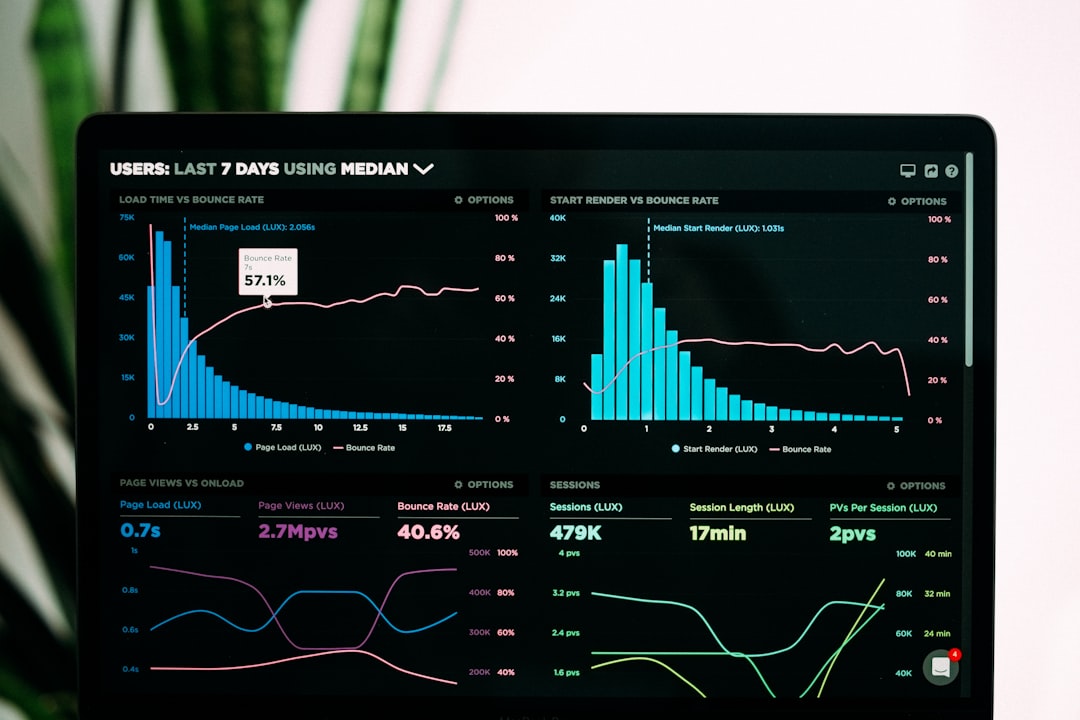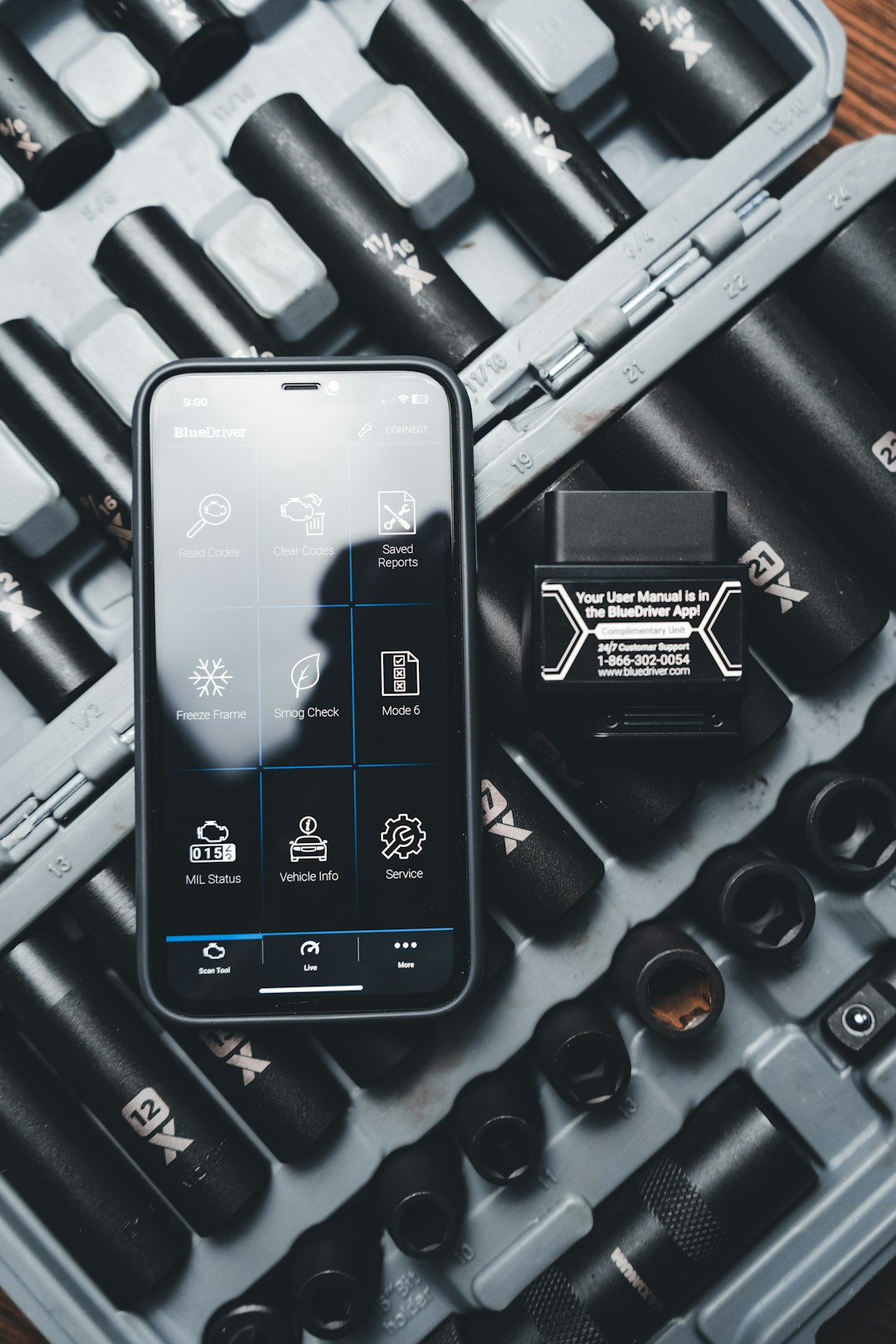
For electricians and field service teams, tools are more than equipment; they are revenue-producing assets. A missing crimper, tester, cable puller, rotary hammer, or thermal camera can delay a job, frustrate technicians, and reduce trust with customers. The right tool tracking software helps teams know what they own, where it is, who has it, and when it needs maintenance or calibration.
TLDR: The best tool tracking software for electricians and field service teams should combine mobile check-in and check-out, barcode or RFID tracking, maintenance records, user accountability, and reporting. For many contractors, strong options include platforms such as ToolWatch, Hilti ON!Track, Milwaukee ONE-KEY, Asset Panda, Sortly, and Fieldwire, depending on company size and workflow. The right choice depends less on brand name and more on how well the system fits field operations, technician habits, and office reporting needs.
Why Tool Tracking Matters for Electrical and Field Service Work
Electricians and field service technicians operate in fast-moving environments. Crews move between service calls, construction sites, vans, warehouses, and customer facilities. Tools are frequently shared, assigned temporarily, or left on site for the next phase of work. Without a reliable tracking system, even organized companies can lose visibility quickly.
The cost of poor tool control is not limited to replacing missing equipment. Teams also lose time searching for tools, renting duplicates, delaying scheduled work, and managing unclear responsibility. For electrical contractors, the impact can be especially serious because many tools are specialized, expensive, and critical to code-compliant work.
A serious tool tracking platform gives managers a dependable source of truth. It supports better planning, improves accountability, and helps technicians arrive prepared. When properly implemented, it can also reduce unnecessary purchases and extend the service life of tools through maintenance scheduling.

What the Best Tool Tracking Software Should Include
Not every asset management system is suitable for electrical and field service operations. A basic spreadsheet or generic inventory app may work for a very small team, but it usually becomes unreliable as the company grows. The best software should support real field conditions, not just office administration.
- Mobile access: Technicians should be able to check tools in and out from a phone or tablet, whether they are in the warehouse, on a job site, or at a customer location.
- Barcode, QR code, or RFID support: Scanning tools reduces manual entry errors and speeds up daily workflows.
- Assignment and accountability: Managers should be able to see which employee, van, job, or location is responsible for each tool.
- Maintenance and calibration records: Electrical test equipment, meters, torque tools, and safety-related equipment may require inspection or calibration tracking.
- Location history: A clear audit trail helps resolve disputes and identify patterns of loss or misuse.
- Reporting: Useful reports should show missing tools, utilization, replacement costs, upcoming maintenance, and inventory by location.
- Integration options: Larger teams may need software that connects with accounting, job costing, field service management, or ERP systems.
Top Tool Tracking Software Options to Consider
The following platforms are commonly considered by contractors, field service organizations, and asset-heavy businesses. The best choice depends on your company size, tool inventory, budget, and how much structure you need.
1. ToolWatch
ToolWatch is a well-established platform designed for construction and field operations. It is a strong fit for electrical contractors with larger inventories, multiple crews, warehouses, and job sites. The system supports tool tracking, equipment management, consumables, purchasing workflows, and reporting.
Its main advantage is depth. Companies that need serious control over tools, equipment, and materials will appreciate its structured approach. It is often better suited to mid-sized and larger contractors than to a very small service business looking for a simple app.
Best for: Electrical contractors with multiple job sites, central warehouses, and formal asset management processes.
2. Hilti ON!Track
Hilti ON!Track is a professional asset management platform built with construction teams in mind. Although associated with Hilti, it can track tools and assets from many manufacturers. It offers barcode and RFID-based tracking, employee assignments, service records, and location visibility.
For electricians, ON!Track can be valuable when managing expensive tools, testing equipment, ladders, safety gear, and job site assets. It is also helpful for companies that want support from a vendor familiar with construction workflows.
Best for: Contractors seeking a robust construction-focused platform with strong support and asset visibility.
3. Milwaukee ONE-KEY
Milwaukee ONE-KEY is especially attractive for teams that use Milwaukee tools. It combines inventory management with connected tool features for compatible devices. Users can track tools, assign them to people or places, and maintain a digital inventory through a mobile app.
Its strength is convenience and ease of adoption, particularly for smaller teams already invested in Milwaukee equipment. However, companies with diverse tool brands or more complex reporting needs should evaluate whether it provides enough flexibility.
Best for: Small to mid-sized electrical teams that use Milwaukee tools and want straightforward mobile inventory control.
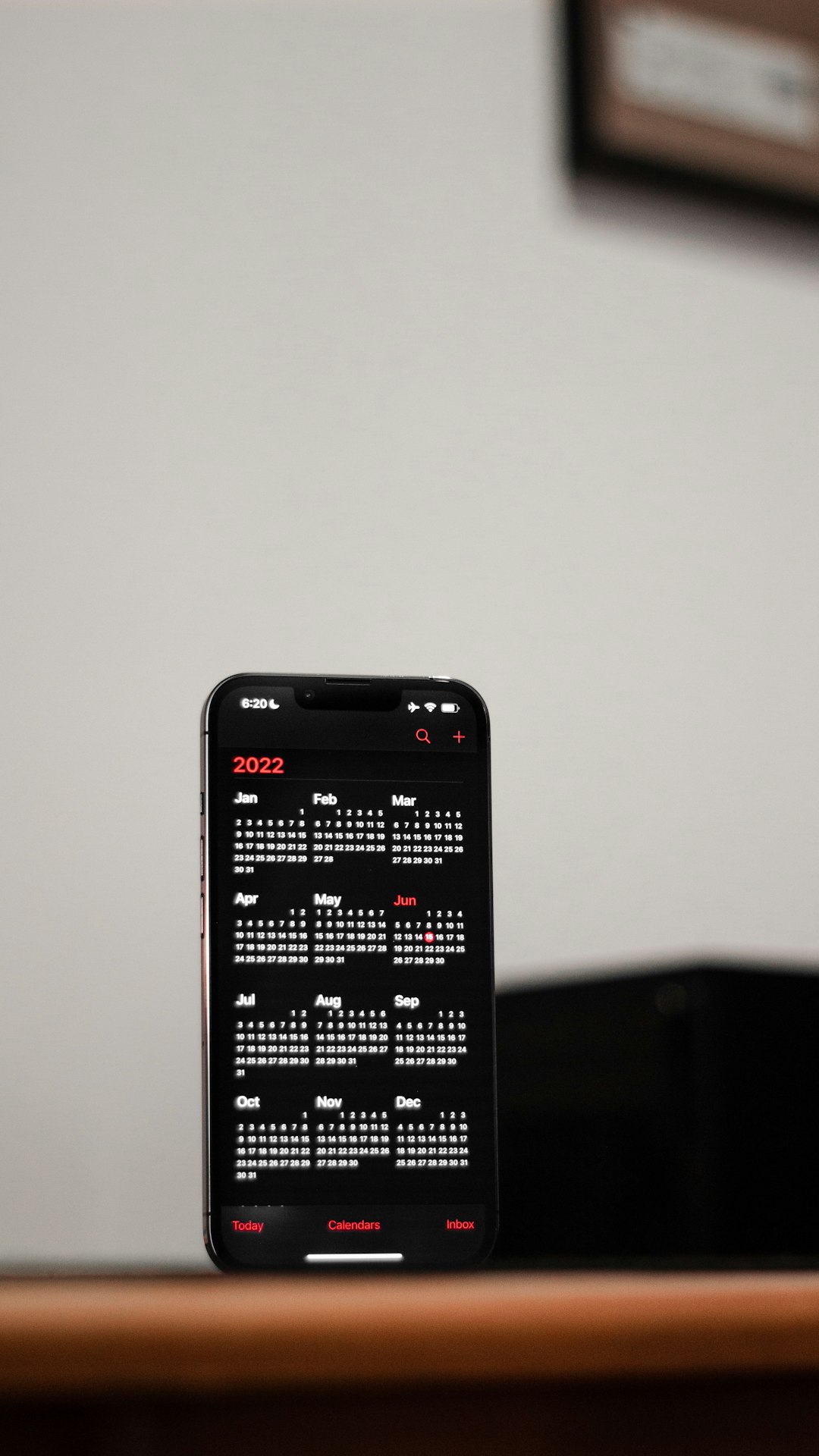
4. Asset Panda
Asset Panda is a flexible asset tracking platform that can be configured for many industries, including field service and contracting. It supports mobile scanning, custom fields, maintenance tracking, check-in and check-out workflows, and reporting.
Its flexibility is one of its strongest features. Electrical businesses can create fields for serial numbers, calibration dates, vehicle assignments, job numbers, purchase costs, and warranty information. This makes it useful for companies that want a customized system rather than a construction-only tool.
Best for: Field service companies that want highly configurable asset tracking across tools, vehicles, IT equipment, and other assets.
5. Sortly
Sortly is known for being simple, visual, and easy to use. It allows teams to organize inventory with photos, QR codes, folders, locations, and mobile scanning. For smaller electrical contractors, this may be enough to replace spreadsheets and informal tracking.
Sortly is not always as specialized as construction-focused platforms, but its ease of use can be a major advantage. If technicians will not use a complicated system, a simpler tool may deliver better real-world results.
Best for: Small teams that need a clean, visual inventory system without heavy implementation requirements.
6. Fieldwire
Fieldwire is primarily known as a construction field management platform rather than dedicated tool tracking software. However, teams already using it for task management, plans, and job site coordination may find it useful for managing equipment-related workflows and documentation.
It may not replace a dedicated asset tracking platform for companies with large tool inventories, but it can support tool-related coordination as part of broader field operations.
Best for: Contractors that already rely on construction project management tools and want tool coordination connected to field tasks.
How to Choose the Right Platform
The most reliable way to choose tool tracking software is to start with your workflow rather than a feature list. A platform may look impressive in a demo but fail if it does not match how your technicians actually work.
Begin by answering practical questions:
- How many tools and assets do you need to track?
- Do you assign tools to employees, vehicles, job sites, or all three?
- Do technicians have reliable mobile access in the field?
- Do you need barcode labels, QR codes, RFID tags, or Bluetooth tracking?
- Do any tools require calibration, inspection, or compliance documentation?
- Who will update records: warehouse staff, technicians, project managers, or administrators?
- Do you need integration with accounting, dispatching, or field service software?
For a small residential electrical contractor, a simple mobile inventory system may be the best choice. For a commercial contractor with multiple crews, job sites, and warehouses, a more advanced platform with audit trails, reporting, and role-based permissions will likely be worth the investment.
Barcode, RFID, GPS, and Bluetooth: What Is Best?
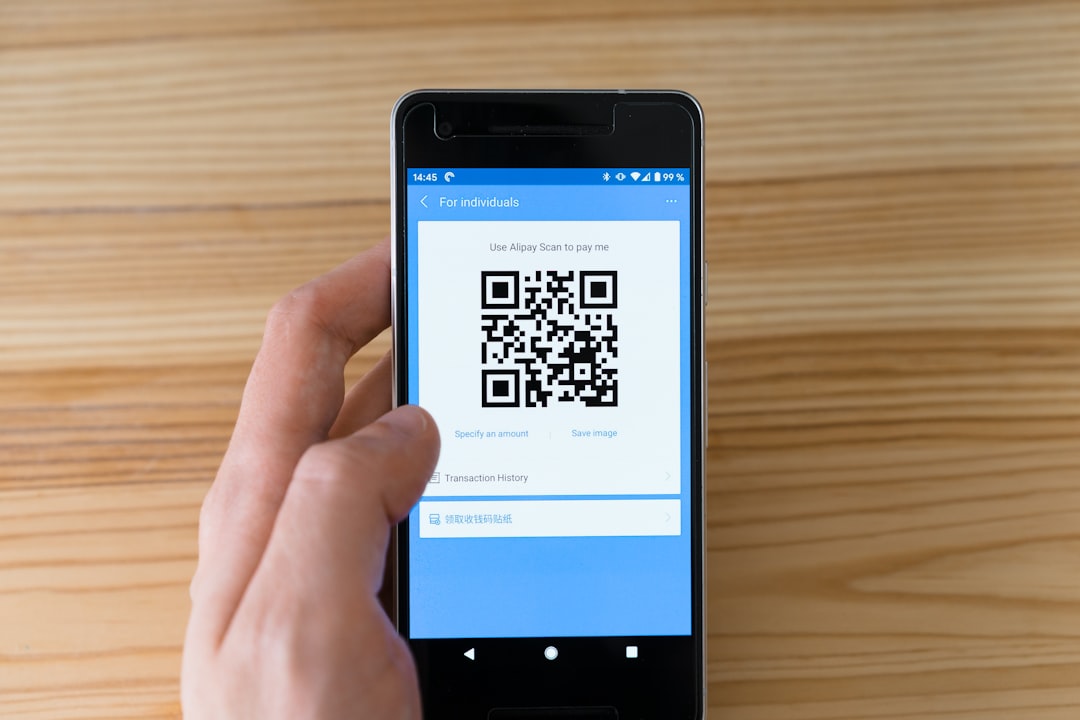
Different tracking technologies serve different purposes. Barcode and QR code tracking is affordable, reliable, and easy to implement. It works well when technicians are willing to scan tools during transfers.
RFID tracking can speed up bulk scanning and improve warehouse operations, but it typically costs more and requires compatible tags and readers. GPS tracking is useful for larger equipment, trailers, and vehicles, but it is usually not practical for every hand tool. Bluetooth tracking can help locate nearby tools, especially when supported by a manufacturer ecosystem, but its range and reliability depend on real-world conditions.
For most electrical and field service teams, the best starting point is a disciplined barcode or QR code system. As the company grows, RFID, GPS, or Bluetooth can be added where the return justifies the cost.
Implementation Best Practices
Even the best software will fail if the rollout is unclear. Tool tracking depends on consistent behavior, so management must define the process and enforce it fairly.
- Start with a clean inventory: Remove broken, duplicate, or obsolete tools before loading the system.
- Use clear naming standards: Avoid inconsistent descriptions such as “drill,” “cordless drill,” and “Milwaukee drill” for the same type of asset.
- Tag tools properly: Labels should be durable enough for job site conditions, dust, oil, heat, and repeated handling.
- Train technicians: Explain not only how to scan tools, but why the process protects productivity and reduces blame.
- Review reports regularly: Missing tool reports are only useful if supervisors act on them.
- Assign ownership: One person or department should be responsible for maintaining accurate records.
A phased rollout is often safer than launching everything at once. Start with high-value tools, testing equipment, and frequently lost items. Once the team is comfortable, expand the system to ladders, safety equipment, consumables, and smaller assets.
Common Mistakes to Avoid
One common mistake is tracking too much too soon. If every inexpensive screwdriver and nut driver is entered on day one, the system may become burdensome. Focus first on tools that are expensive, critical, regulated, shared, or commonly misplaced.
Another mistake is choosing software based only on office preferences. Field technicians are the people who will scan tools, update locations, and report issues. If the mobile experience is slow or confusing, adoption will suffer.
Finally, avoid treating tool tracking as a one-time project. It is an ongoing operating process. New purchases must be tagged immediately, retired tools must be removed, and transfers must be recorded consistently.
Final Recommendation
The best tool tracking software for electricians and field service teams is the one that improves visibility without creating unnecessary administrative work. ToolWatch and Hilti ON!Track are strong choices for larger contractors with complex operations. Milwaukee ONE-KEY can be practical for teams invested in Milwaukee tools. Asset Panda offers broad customization, while Sortly provides a simpler path for smaller teams moving away from spreadsheets.
Before committing, request a demo, test the mobile app in real field conditions, and involve both office staff and technicians in the evaluation. A trustworthy tool tracking system should reduce confusion, strengthen accountability, and help every crew arrive with the right equipment for the job. When implemented carefully, it becomes more than inventory software; it becomes a practical foundation for safer, faster, and more profitable field work.