Teams building context-aware AI apps should compare Cognee with Zep, Letta, LlamaIndex, LangGraph, and Neo4j GraphRAG before picking a memory layer. Cognee is useful, but not every team needs the same mix of memory, graph storage, retrieval, agents, and deployment control. Gartner has said that by 2026, over 80% of enterprises will have used generative AI APIs or deployed generative AI apps, up from less than 5% in 2023 [source: Gartner].
TLDR: Cognee alternatives are worth checking when an AI app needs stronger chat memory, graph reasoning, or production-grade retrieval. For example, a support assistant handling 50,000 monthly tickets may cut repeat questions by 20% to 30% if it can remember users, link issues to products, and retrieve past fixes. Zep is strong for conversational memory, Letta fits agent memory, and Neo4j GraphRAG suits teams that care about relationships between data points. The best choice depends on whether the app needs chat history, structured knowledge, or agent state.

Why Teams Look for Cognee Alternatives
Cognee helps AI systems store context and build useful memory. Still, teams often hit limits when moving from demos to real products. The catch is that memory sounds simple until the app must remember user preferences, cite trusted facts, forget private data, and avoid weird repeated answers.
Some tools focus on long-term chat memory. Others focus on knowledge graphs, agent workflows, or enterprise search. That split matters. A medical research app has very different needs from a sales chatbot or a robot assistant for kids.
1. Zep
Zep is one of the clearest Cognee alternatives for AI memory. It is built for storing, searching, and summarizing conversation history. That makes it useful for customer support bots, AI coaches, sales assistants, and user-facing agents.
- Best for: chat memory and user personalization.
- Strength: it can track facts about users across sessions.
- Weak spot: teams needing deep graph modeling may want more control.
Zep works well when the main problem is, “Why does this assistant keep asking the same question?” It helps the app remember names, preferences, past issues, and decisions. Honestly, it feels like this should be standard in every chatbot by now.
2. Letta
Letta, based on the MemGPT project, is built for agents that need memory over time. It treats memory as part of the agent’s operating system. That is useful when an AI worker must plan, reflect, call tools, and keep state across many tasks.
- Best for: autonomous agents and research assistants.
- Strength: strong memory model for long-running agents.
- Weak spot: setup can feel heavy for simple search apps.
Letta is a good fit for teams building agents that do more than answer questions. For example, an AI analyst that monitors competitors each week needs stable memory, not just a vector search result.
3. LlamaIndex
LlamaIndex is a strong option for retrieval-augmented generation, often called RAG. It helps connect large language models to documents, databases, APIs, and indexes. It also supports graph-based retrieval patterns, which makes it useful for context-aware apps.
- Best for: document-heavy AI apps and enterprise search.
- Strength: many connectors and flexible retrieval tools.
- Weak spot: teams may spend time tuning chunks, indexes, and prompts.
It gets annoying when a RAG app returns the right document but the wrong answer. LlamaIndex gives teams more ways to tune that process. It is especially useful when data lives across PDFs, Notion pages, Slack exports, SQL tables, and cloud storage.
4. LangGraph and LangMem
LangGraph is useful when the app needs controlled agent workflows. It works well with LangChain tools and can support memory patterns through related modules such as LangMem. This route fits teams that need to define how an AI agent thinks, acts, pauses, retries, and remembers.
- Best for: multi-step agents and workflow-heavy apps.
- Strength: clear control over agent state and tool use.
- Weak spot: more moving parts than a simple memory API.
This option suits apps where reliability matters. For example, an AI claims assistant should not improvise every step. It should follow a defined path, store the right context, and know when to ask a human.
5. Neo4j GraphRAG
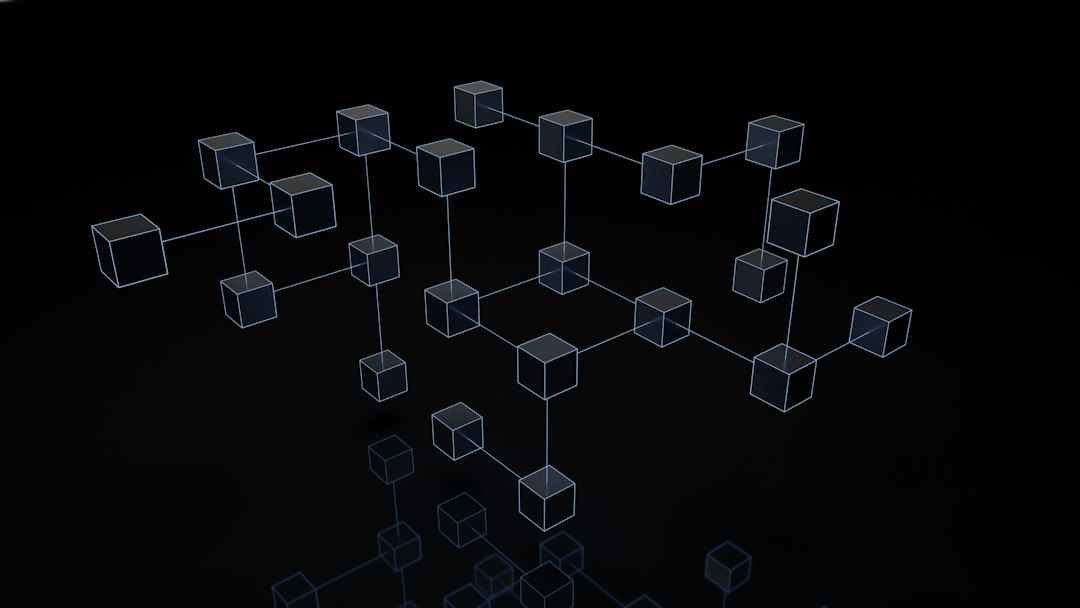
Neo4j GraphRAG is a strong alternative for teams that care about relationships. Vector databases are great for similarity. Graphs are better when the answer depends on how people, products, events, contracts, or tickets connect.
- Best for: knowledge graphs and relationship-aware search.
- Strength: mature graph database with AI retrieval patterns.
- Weak spot: graph design takes planning.
Neo4j GraphRAG can help reduce vague answers by grounding responses in known relationships. A finance app, for example, can link companies, owners, transactions, risk events, and policies before the model writes an answer.
How to Pick the Right Alternative
- Pick Zep if the app needs better user memory in conversations.
- Pick Letta if the product depends on long-running AI agents.
- Pick LlamaIndex if documents and connectors are the main issue.
- Pick LangGraph if the team needs strict workflows and agent state.
- Pick Neo4j GraphRAG if relationships matter more than plain similarity search.
Cognee can still be a smart choice. But teams should not pick a memory system just because it has a good demo. They should test latency, deletion rules, citations, data updates, and failure cases. Expect to waste time on edge cases if the app has real users and messy data.
FAQ
What is Cognee used for?
Cognee is used to add memory and structured context to AI apps. It helps systems store information, retrieve it, and build more useful responses.
What is the best Cognee alternative for chatbots?
Zep is often the best fit for chatbot memory. It is built around conversations, users, and session history.
Which option is best for knowledge graphs?
Neo4j GraphRAG is the strongest pick when graph relationships are central to the app.
Is LlamaIndex a memory system?
LlamaIndex is mostly a data and retrieval framework. It can support memory-like behavior, but its main strength is connecting AI models to external knowledge.
Should a team use more than one tool?
Yes. Many production AI apps combine tools. A team may use Zep for user memory, LlamaIndex for document retrieval, and Neo4j for graph-based facts.