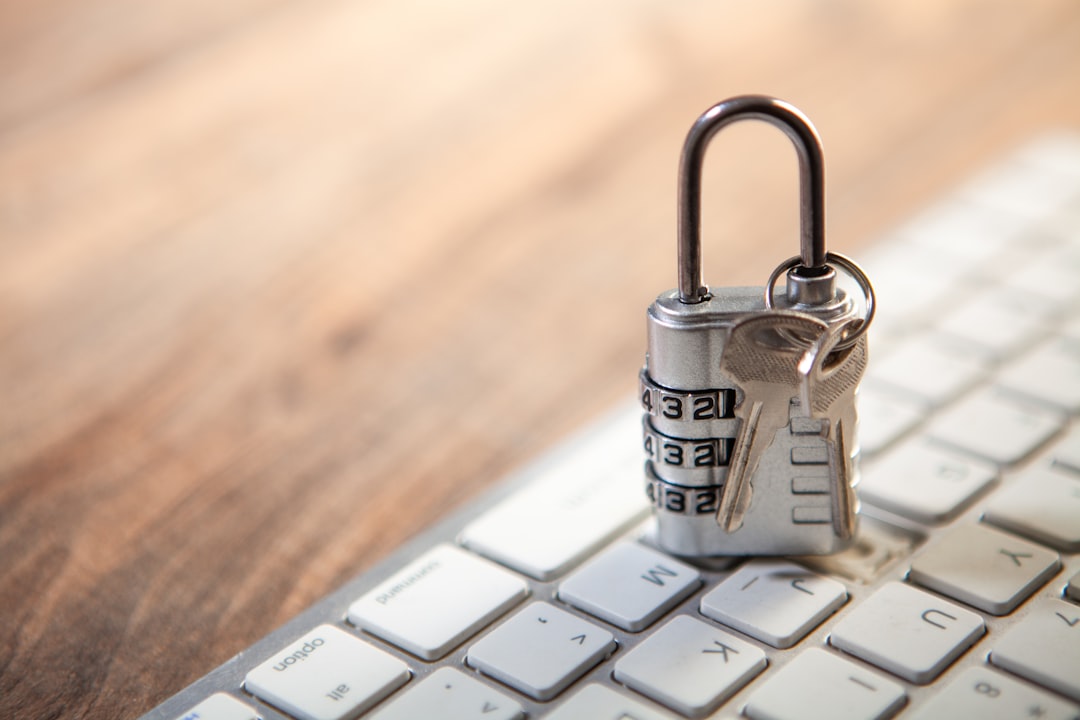
Security questions are like tiny guards at the door of your account. They ask, “Is this really you?” But some guards are too easy to trick. A good question should be hard for strangers to guess and easy for you to remember.
TLDR: A secure security question should not use public facts, like your birthday, school, or pet’s name. Pick questions with answers that are personal, strange, or even made up. For best protection, use a password manager to save your answers. Below are 50 secure examples you can use or adapt.
Why Security Questions Matter
Security questions are often used when you forget a password. They may also appear when you log in from a new device. The goal is simple. The account wants proof that you are you.
But here is the problem. Many old security questions are weak. Questions like “What is your mother’s maiden name?” or “What city were you born in?” are not very safe anymore.
Why? Because people share a lot online. Family names, hometowns, schools, pets, and birthdays may be visible on social media. A hacker may not need to hack. They may only need to search.
That is why better questions matter. The best security questions are private, odd, and not easy to research.
What Makes a Security Question Strong?
A strong security question has a few key traits.
- It is not public. The answer should not be on social media.
- It is not easy to guess. Avoid common answers like “pizza” or “blue.”
- It does not change often. Your favorite movie may change next week.
- It is easy for you to remember. If you forget it, it is not helpful.
- It can have a unique answer. The answer should be clear to you.
Here is a fun trick. You do not have to answer honestly. You can treat your security answer like a second password.
For example, if the question is “What was your first car?” you could answer: Moon Turtle 47!
That answer is not true. But it is much harder to guess. Just make sure you save it somewhere safe.
Bad Security Question Examples
Before we get to the good stuff, let’s look at weak examples. These are popular, but risky.
- What is your mother’s maiden name?
- What is your date of birth?
- What is your pet’s name?
- What high school did you attend?
- What city were you born in?
- What is your favorite color?
These may seem harmless. But many answers can be found, guessed, or tricked out of you. If your dog has an Instagram account, do not use your dog’s name as an answer.
50 Secure Examples of Security Questions
Here are 50 better security question examples. Some are serious. Some are silly. That is good. Silly can be secure.
- What was the name of an imaginary place you made up as a child?
- What is a secret nickname you would give to your dream spaceship?
- What was the first meal you learned to cook badly?
- What random object was near you during a happy memory?
- What is the name of a fake pet you would never own?
- What was the weirdest snack you liked as a kid?
- What is a phrase only you would connect to your first vacation?
- What made up word always makes you laugh?
- What was the color of a forgotten item from your childhood room?
- What is the name of a fictional teacher you would invent?
- What tiny sound reminds you of home?
- What was the first thing you bought with saved money?
- What is a fake street name you can remember easily?
- What did you once believe was magical?
- What is the name of a pretend restaurant you would open?
- What strange food combo did you once try?
- What is your secret name for rainy days?
- What was the shape of a favorite childhood toy?
- What made up country would you visit?
- What is a private joke only you understand?
- What was the first song lyric you misheard?
- What is the name of a fake superhero you invented?
- What smell reminds you of a specific memory?
- What was a silly fear you had when young?
- What is a code name for your favorite chair?
- What object would you bring to a desert island for fun?
- What is the title of a book you will never write?
- What is a fake middle name you can remember?
- What was the first thing you tried to build?
- What is your private name for your morning mood?
- What was the oddest gift you ever received?
- What is the name of an imaginary robot helper?
- What secret word would unlock your dream castle?
- What is a fake town where your socks disappear?
- What color would you paint the moon?
- What was the first rule of a game you made up?
- What is a word you associate with a family trip?
- What object did you always lose as a child?
- What would you name a dragon that guards your email?
- What is a private phrase for your favorite weather?
- What was the name of your first imaginary business?
- What is a secret code word for chocolate?
- What unusual sound would your house make if it could talk?
- What is a fake award you would give yourself?
- What was a small thing that once made you feel brave?
- What would you name a tiny invisible friend?
- What is a memory linked to a specific color?
- What is the name of a made up holiday?
- What would you call a cat who runs a bank?
- What secret phrase would make a garden gate open?
How to Answer Security Questions Safely
The question is only half the story. The answer matters even more.
Here are simple rules to follow.
- Use fake answers when possible. Truth is not required. Consistency is.
- Make answers long. Longer answers are harder to guess.
- Add numbers or symbols. For example, Blue Pancake River 92!
- Do not reuse answers. Each account should have a different answer.
- Save answers safely. Use a password manager, not a sticky note.
Think of your security answer as a secret spell. It does not need to make sense to anyone else. It only needs to work for you.
Example: Weak vs Strong
Let’s compare.
- Weak question: What is your pet’s name?
- Weak answer: Bella
That is risky. “Bella” is a common pet name. It may also appear in photos or posts.
- Better question: What would you name a dragon that guards your email?
- Better answer: Sir Toasty Wings 814!
This answer is funny. It is also hard to guess. A hacker would need a crystal ball and a very weird dragon dictionary.
Should You Use the Same Security Question Everywhere?
No. Please do not.
If one site is breached, your security answers may be exposed. If you reuse the same answer on other sites, those accounts may be at risk too.
Use different answers for different accounts. Yes, that sounds annoying. But a password manager makes it easy. You can save the question and answer together.
For example:
- Bank account: Dragon question answer saved safely.
- Email account: Fake town question answer saved safely.
- Shopping account: Imaginary robot question answer saved safely.
Extra Tips for Better Account Protection
Security questions help, but they are not enough alone. Use them with other protections.
- Turn on two factor authentication. This adds a second lock.
- Use strong passwords. Long and unique is best.
- Update recovery email addresses. Old emails can become weak links.
- Review account activity. Look for strange logins.
- Be careful with quizzes. Fun online quizzes may collect security answers.
Those cute quizzes that ask your first pet, first school, and favorite teacher? They may look harmless. But they can reveal recovery answers. Skip them, or answer with jokes.
Final Thoughts
A good security question should protect you, not expose you. Avoid answers that anyone can find online. Choose questions that are private, creative, and stable.
Even better, use fake answers that work like passwords. Make them long. Make them weird. Save them safely.
Your account does not need a boring guard at the door. Give it a dragon, a robot, or a secret garden gate. Just make sure only you know the magic words.