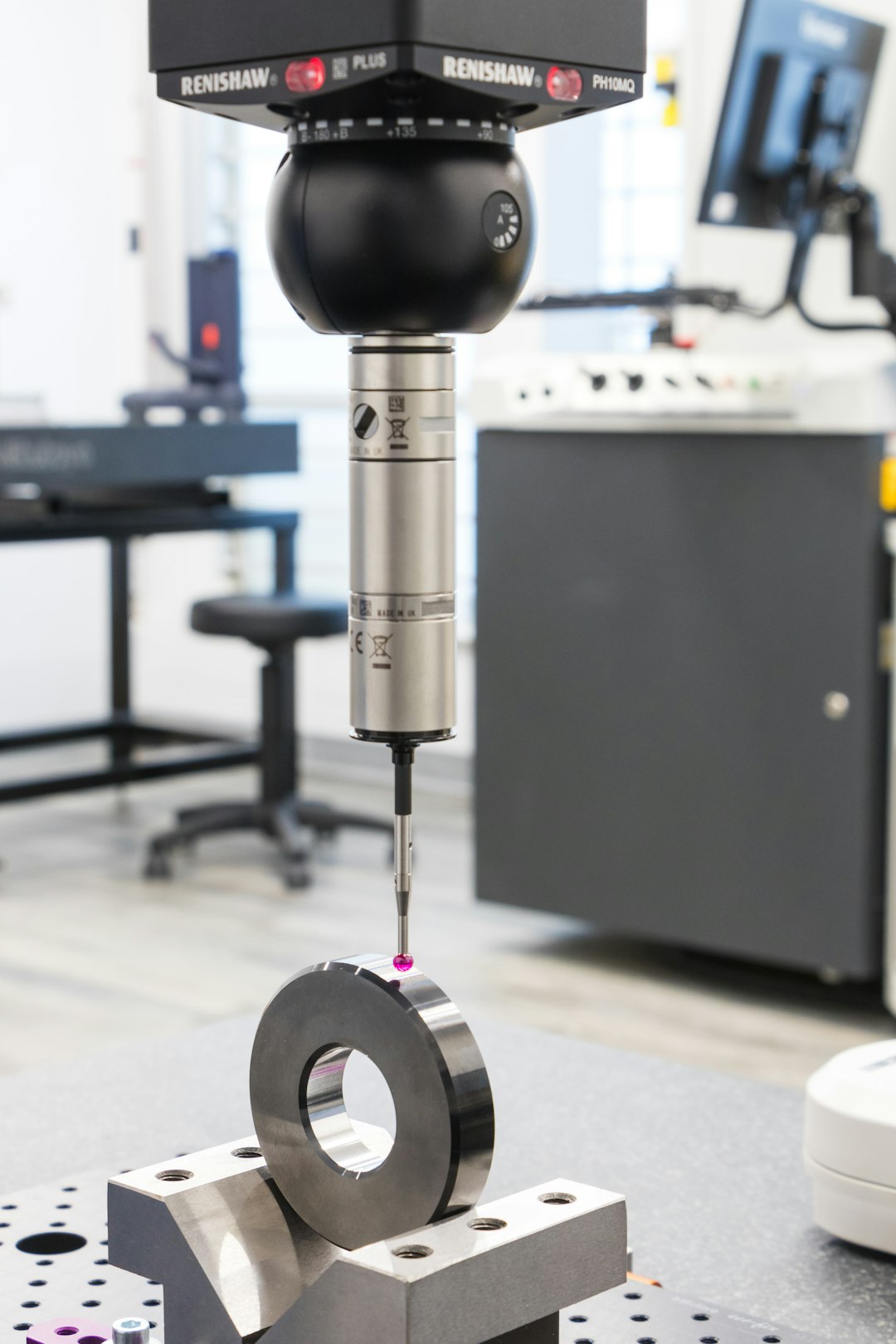
When two parts almost fit—but not quite—the solution is often surprisingly thin. Shimming is the practice of inserting a thin piece of material, called a shim, between surfaces to adjust alignment, spacing, level, or support. It is used everywhere from heavy machinery and construction to automotive repair, furniture installation, and even software engineering.
TLDR: Shimming means adding a thin layer of material to correct small gaps, misalignments, or height differences. In mechanical and construction work, shims help parts sit level, fit tightly, or carry loads evenly. The process works by making tiny, controlled adjustments without replacing or redesigning the original parts. Shimming is simple in concept, but when done correctly, it can prevent vibration, wear, leaks, and structural problems.
What Is a Shim?
A shim is a thin piece of material placed between two objects to alter their position or fit. Shims can be made from metal, plastic, rubber, wood, composite materials, or even paper, depending on the application. Some are precision-cut to exact thicknesses, while others are improvised on-site to solve a practical problem quickly.
At its simplest, a shim works like a controlled spacer. If one side of a machine base is slightly lower than the other, a shim can raise it. If a door frame is not square, shims can reposition it. If a pump and motor are misaligned by a fraction of a millimeter, precision shims can bring them back into tolerance.
Why Shimming Is Needed
In an ideal world, every surface would be perfectly flat, every hole would line up, and every part would be manufactured with flawless accuracy. In the real world, small imperfections are normal. Materials expand and contract, floors settle, components wear down, and manufacturing tolerances leave tiny variations.
Shimming is used because these small variations can create big issues over time. A tiny misalignment in rotating equipment can lead to vibration, bearing failure, overheating, and increased energy use. A poorly supported cabinet or countertop can crack, wobble, or pull away from the wall. A gap under a structural element can concentrate stress where it should be spread evenly.
Common reasons for shimming include:
- Leveling: Raising one side of an object so it sits flat and stable.
- Alignment: Adjusting the position of parts so they match correctly.
- Spacing: Creating a precise gap between components.
- Load distribution: Filling voids so weight is carried evenly.
- Vibration control: Reducing movement caused by uneven contact.
- Compensating for wear: Restoring proper clearances after parts have changed over time.
How Shimming Works
The basic process of shimming involves measuring the problem, selecting the right shim material and thickness, placing the shim in the correct location, and checking the result. Although that sounds simple, good shimming depends on accuracy. Too little shim may not solve the problem; too much may create new stress or misalignment.
For example, imagine installing a machine on a concrete floor. The floor looks flat, but one corner of the machine base does not touch the surface properly. If the machine is bolted down without correction, the frame may twist. This condition, sometimes called soft foot, can cause misalignment and vibration. By inserting a shim under the unsupported foot, the machine rests evenly on all mounting points.
The same idea applies in carpentry. When installing a door, the frame must be straight, plumb, and square. Small wooden or plastic shims are inserted behind the frame to adjust its position before it is fastened. Without shimming, the door might swing open by itself, rub the frame, or fail to latch properly.

Types of Shims
Different jobs require different kinds of shims. The right choice depends on load, environment, required precision, and whether the shim needs to resist moisture, heat, chemicals, or compression.
- Metal shims: Often made from stainless steel, brass, aluminum, or carbon steel. These are used in machinery, automotive work, aerospace, and industrial settings where strength and precision matter.
- Plastic shims: Lightweight, corrosion-resistant, and common in construction, window installation, and furniture leveling.
- Wood shims: Frequently used in carpentry and framing. They are affordable and easy to trim but can compress or absorb moisture.
- Rubber shims: Useful when vibration damping, grip, or flexibility is needed.
- Laminated shims: Made of peelable layers, allowing technicians to remove thin sheets until the exact thickness is achieved.
- Tapered shims: Wedge-shaped shims used to gradually adjust height or fill angled gaps.
Precision Shimming vs. Rough Shimming
Not all shimming requires the same level of accuracy. Rough shimming is common in construction and general installation, where the goal is to make something level, stable, or square within practical limits. A carpenter may tap a tapered shim into place, check a level, and trim off the excess.
Precision shimming, on the other hand, is used when measurements are extremely tight. Industrial equipment, engines, turbines, pumps, and robotics may require adjustments measured in thousandths of an inch or hundredths of a millimeter. In these cases, technicians use feeler gauges, dial indicators, laser alignment tools, or micrometers to determine the exact shim thickness required.
The difference is not just technical—it is economic. A poorly shimmed industrial machine can shorten bearing life, damage shafts, waste power, and cause unplanned downtime. A carefully shimmed machine can run smoother, quieter, and longer.
Where Shimming Is Commonly Used
Shimming appears in more places than most people realize. It is a small technique with a large footprint.
- Construction: Leveling windows, doors, cabinets, flooring, beams, and countertops.
- Machinery installation: Aligning motors, pumps, compressors, gearboxes, and production equipment.
- Automotive repair: Adjusting valve clearances, brake components, body panels, and suspension geometry.
- Manufacturing: Maintaining fixture accuracy, tooling position, and assembly tolerances.
- Electronics: Improving component fit, thermal contact, or spacing inside devices.
- Software: A “shim” can also mean a small piece of code that sits between systems to provide compatibility or translate behavior.
That last example is different from physical shimming, but the concept is similar. A software shim fills a compatibility gap, allowing one system to work with another without changing the entire structure.

What Makes a Good Shim?
A good shim does more than fill space. It must be appropriate for the forces and conditions involved. In load-bearing applications, the shim should resist crushing. In wet environments, it should resist corrosion or swelling. In high-temperature settings, it must remain stable. In precision equipment, it must have a known, consistent thickness.
Placement matters too. A shim should support the load evenly and should not create a rocking point or a stress concentration. Stacking too many shims can be risky if the stack slips or compresses unevenly. In industrial work, technicians usually prefer fewer, larger shims rather than a messy pile of thin pieces.
Common Shimming Mistakes
Although shimming is straightforward, mistakes are easy to make. Using the wrong material, placing shims only at the edge of a base, failing to measure accurately, or tightening bolts unevenly can all reduce effectiveness. Another common mistake is treating shimming as a way to hide a bigger problem. If a foundation is unstable, a frame is bent, or a part is badly worn, shims may offer only temporary relief.
Good shimming begins with diagnosis. The goal is not simply to fill a gap; it is to understand why the gap exists and correct it in a controlled way.
The Small Fix That Prevents Big Problems
Shimming is one of those practical techniques that seems minor until it is missing. A thin strip of metal or plastic may not look impressive, but it can determine whether a machine runs smoothly, a door closes cleanly, or a structure carries weight safely. Its power lies in precision: making small adjustments exactly where they are needed.
Whether in a workshop, factory, home renovation, or software environment, shimming solves the same basic problem: two things need to work together, and there is a small mismatch between them. A shim bridges that mismatch. Done well, it is nearly invisible—but the improvement it creates can be felt every time the system works as it should.