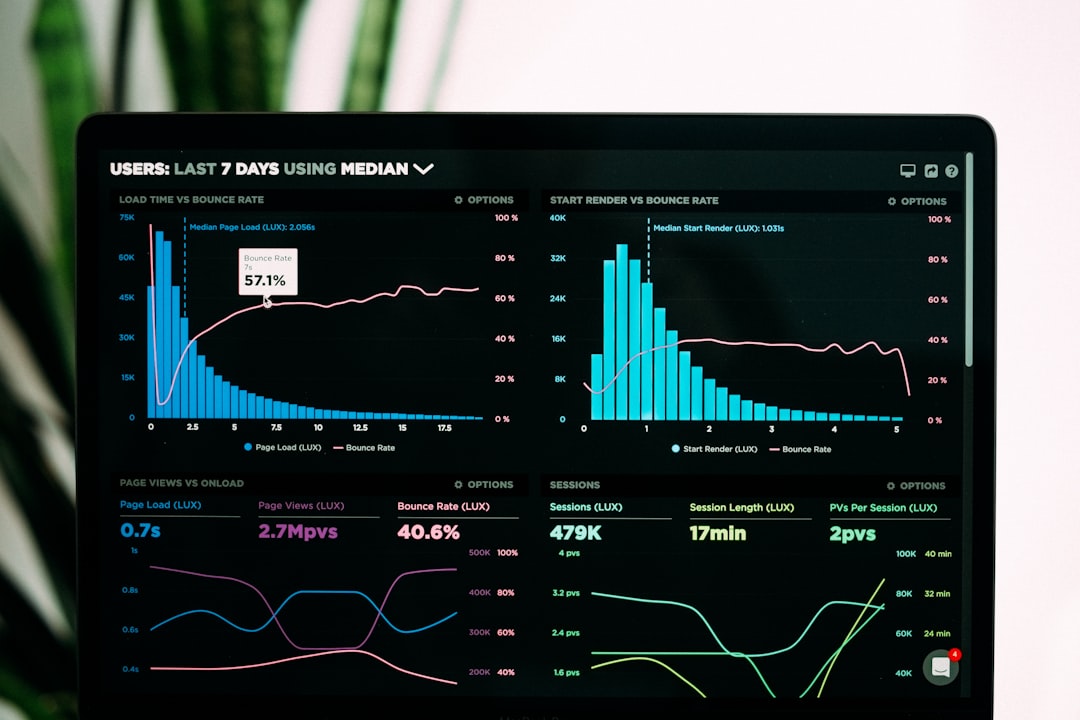
Few things make a site owner’s stomach drop faster than seeing organic traffic collapse overnight. A Google penalty can turn a thriving website into a quiet storefront, but recovery is absolutely possible when you understand what happened, fix the root cause, and rebuild trust methodically.
TLDR: Google penalty recovery starts with identifying whether your site was hit by a manual action or an algorithmic drop. Next, audit your links, content, technical setup, and user experience to find the underlying problem. Fix issues thoroughly, document your work, and submit a reconsideration request if a manual penalty is involved. Long-term recovery depends on improving quality, avoiding shortcuts, and monitoring performance consistently.
1. Confirm Whether You Actually Have a Penalty
Not every traffic drop is a penalty. Rankings can fall because of seasonality, technical errors, competitor improvements, tracking problems, or a Google core update. Before launching into fixes, confirm what changed.
Start by checking Google Search Console. If you have a manual penalty, you will usually see it under Security and Manual Actions > Manual Actions. Google may list issues such as unnatural links, thin content, cloaking, pure spam, or user-generated spam.
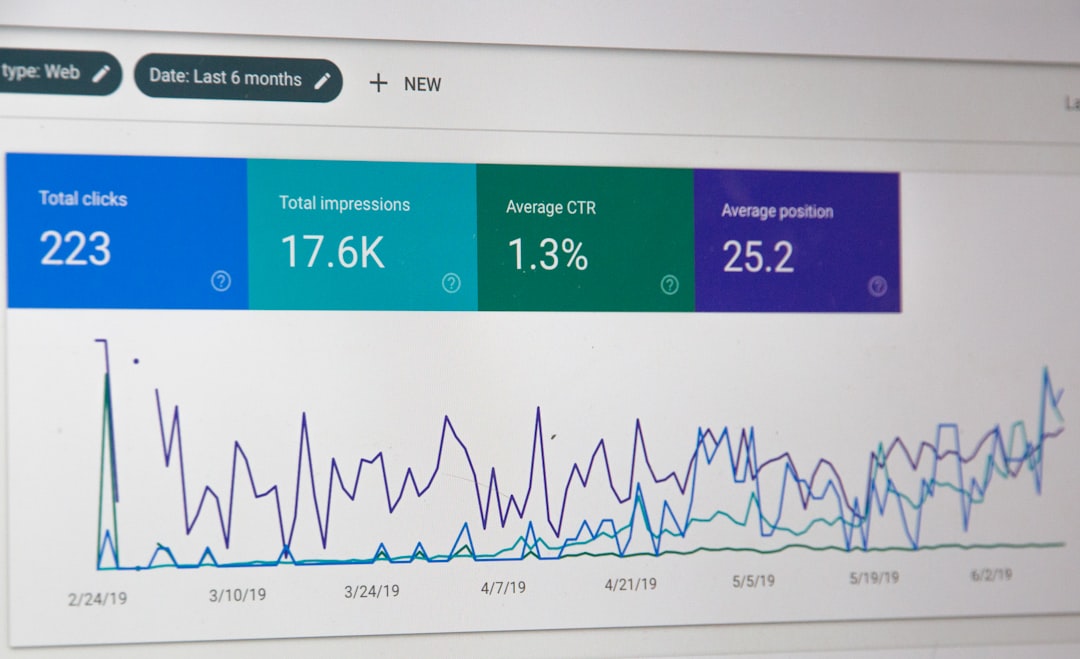
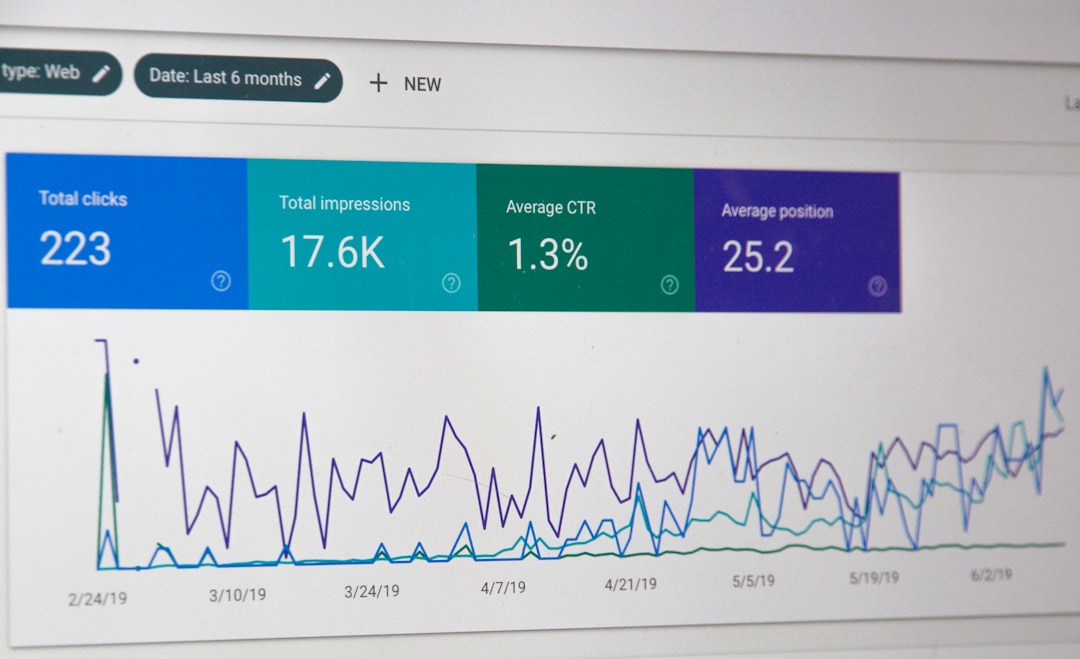
If there is no manual action, your site may have been affected algorithmically. In that case, compare your traffic drop date with known Google updates. Look at organic traffic in Google Analytics, impressions in Search Console, and ranking data from your SEO tools.
2. Identify the Type of Problem
Once you know the drop is real, the next step is diagnosis. Most penalties and major ranking losses fall into a few categories:
- Unnatural backlinks: Paid links, link exchanges, private blog networks, spammy directories, or irrelevant backlinks created to manipulate rankings.
- Thin or low-quality content: Pages with little value, duplicate copy, doorway pages, automatically generated text, or shallow articles written only for keywords.
- Technical issues: Indexing mistakes, accidental noindex tags, broken redirects, poor mobile usability, slow loading pages, or crawl errors.
- Spammy practices: Cloaking, keyword stuffing, hidden text, sneaky redirects, or hacked content.
- Poor user experience: Intrusive ads, confusing navigation, excessive popups, or pages that fail to satisfy search intent.
A recovery plan only works when it addresses the actual cause. Guessing can waste weeks or even make things worse.
3. Audit Your Backlink Profile
Backlinks remain one of the most common sources of penalties. If Google believes your site is benefiting from manipulative links, rankings can suffer dramatically.
Export backlink data from Google Search Console and supplement it with third-party SEO tools if available. Review domains linking to your site and look for patterns such as irrelevant foreign sites, obvious link farms, adult or gambling links, exact-match anchor text at scale, or links from hacked pages.
Create a spreadsheet with columns for the linking domain, URL, anchor text, quality assessment, action taken, and notes. For suspicious links, try contacting webmasters and requesting removal. Many will ignore you, but the effort matters, especially for manual actions. For links you cannot remove, prepare a disavow file and submit it through Google’s Disavow Tool.
Important: Do not disavow every link that looks unfamiliar. A healthy backlink profile includes variety. Focus on clearly manipulative, spammy, or irrelevant links.
4. Improve or Remove Low-Quality Content
Content-related penalties are often tied to a bigger site quality issue. If many pages offer little value, Google may lose confidence in the entire domain.
Perform a content audit by listing key pages, traffic, impressions, backlinks, word count, freshness, duplicate issues, and conversion value. Then decide whether each page should be improved, merged, redirected, noindexed, or removed.
Look closely at pages that have:
- Very little original information.
- Duplicated manufacturer descriptions or copied text.
- Outdated advice that could mislead readers.
- Keyword-stuffed headings and unnatural phrasing.
- No clear purpose or search intent match.
When improving content, focus on helpfulness. Add expert insight, examples, original data, images, comparison tables, FAQs, and clearer explanations. Make the page better for humans first; search engines are increasingly good at recognizing that.
5. Fix Technical SEO Problems
Sometimes what looks like a penalty is really a technical failure. A developer may accidentally block important pages in robots.txt, add noindex tags, break canonical tags, or remove internal links during a redesign.
Run a crawl of your website and check for:
- Indexing problems: Important pages blocked, noindexed, or excluded unexpectedly.
- Redirect chains: Multiple redirects slowing down crawlers and users.
- Broken links: Internal 404s that waste crawl budget.
- Duplicate content: Multiple URLs showing the same page without proper canonicals.
- Mobile issues: Pages that are difficult to use on smaller screens.
- Speed issues: Large images, heavy scripts, or poor hosting performance.
Technical cleanup may not be glamorous, but it creates the foundation for recovery. If Google cannot crawl, understand, or trust your site structure, great content may still underperform.
6. Remove Spam and Strengthen Security
If your site was hacked or filled with spammy user-generated content, act quickly. Remove malicious pages, suspicious scripts, injected links, and fake redirects. Update your CMS, plugins, themes, passwords, and server software. If you allow comments, forums, or profile pages, moderate them aggressively and use nofollow or ugc attributes where appropriate.
After cleanup, request validation in Search Console if a security issue was reported. Google wants to see that the problem is fixed, not merely hidden.
7. Submit a Reconsideration Request for Manual Actions
If your site received a manual action, you must submit a reconsideration request after completing your fixes. This is not the place for vague promises. Google’s review team wants a clear explanation of what happened and what you did to correct it.
A strong reconsideration request should include:
- A brief, honest summary of the issue.
- Specific actions taken, such as link removals, disavow submission, content rewrites, or spam cleanup.
- Evidence of effort, including outreach examples or audit notes.
- A commitment to following Google’s guidelines going forward.
Keep the tone professional and factual. Do not blame Google, competitors, agencies, or past employees. If a previous SEO provider built bad links, acknowledge it and explain how you corrected the damage.
8. Monitor Results and Be Patient
Recovery rarely happens instantly. Manual action reviews can take days or weeks. Algorithmic recoveries may require Google to recrawl your site, reprocess signals, and sometimes roll out another update before results improve.
Track leading indicators such as indexed pages, impressions, crawl activity, and rankings for important queries. Organic traffic may lag behind these early signs. Also watch for unexpected side effects: removing or noindexing many pages can temporarily reduce traffic, even if it improves long-term quality.
9. Build a Safer SEO Strategy Going Forward
Penalty recovery is not just about returning to where you were. It is an opportunity to build a stronger, more resilient website. Avoid link schemes, mass-produced content, and aggressive tactics that create short-term gains but long-term risk.
Instead, invest in assets that earn trust naturally: detailed guides, original research, expert commentary, useful tools, customer stories, and content that genuinely solves problems. Improve internal linking, refresh older pages, and make your site faster and easier to navigate.
The best defense against future penalties is a quality-first mindset. If every SEO decision improves the experience for real users, you are far less likely to run into trouble when Google updates its systems.
Final Thoughts
Recovering from a Google penalty can feel overwhelming, but the process becomes manageable when broken into steps: confirm the issue, diagnose the cause, clean up links and content, fix technical problems, document everything, and request review when needed. The key is not speed; it is thoroughness.
A recovered site is often better than it was before the penalty. By removing weak points and focusing on lasting value, you can regain search visibility and build a healthier foundation for future growth.