Some drivers glide like calm dolphins. Others jab the pedals like they are playing a drum solo. A driving style test helps spot the difference. It looks at how you drive, not just where you drive.
TLDR: A driving style test measures habits like speed, braking, cornering, and phone use. It uses sensors, apps, or car data to build a picture of your driving behavior. The goal is not to shame you. It helps you drive safer, save fuel, and lower risk on the road.
What Is a Driving Style Test?
A driving style test is a checkup for your driving habits. Think of it like a fitness tracker, but for your car trips. It watches how you accelerate, brake, steer, and react.
It does not care if you wear cool sunglasses. It does not care if your playlist is amazing. It cares about patterns. Do you brake late? Do you speed often? Do you take corners like a racing game?
These tests are used by driving schools, insurance companies, fleet managers, and safety apps. Some car makers also build them into modern vehicles.
The main idea is simple. Your habits affect your safety. When you understand those habits, you can improve them.
How Does It Measure Your Driving?
Driving style tests collect data while you drive. This can happen through a phone app, a small device plugged into your car, or built-in vehicle software.
Most systems use tools like:
- GPS to track speed, location, and road type.
- Accelerometers to detect hard braking and fast acceleration.
- Gyroscopes to measure sharp turns and swerves.
- Vehicle data from the engine and brakes.
- Phone sensors to detect movement or possible phone use.
That may sound fancy. But the result is easy to understand. The system watches your car’s movements. Then it turns them into a score or report.
For example, if you brake hard once because a dog runs into the road, that is normal. Good dog. Big scare. But if you brake hard every five minutes, the test may flag it as a habit.
The Big Habits It Looks For
A driving style test usually checks several common behaviors. These habits matter because they are linked to crashes, stress, and fuel use.
1. Speeding
Speeding is one of the easiest habits to measure. The system compares your speed with the road, traffic flow, or speed limit data.
Driving too fast gives you less time to react. It also makes crashes more serious. Even a small speed increase can make stopping much harder.
2. Harsh Braking
Hard braking can mean you are following too closely. It can also mean you are not reading traffic early enough.
Safe drivers look ahead. They spot brake lights early. They slow down with time to spare. Smooth braking is safer and nicer for passengers. It also keeps coffee inside the cup.
3. Rapid Acceleration
Fast starts can feel fun. Your engine may disagree. So may your fuel bill.
Rapid acceleration often means aggressive driving. It can also increase wear on the car. A test will notice sudden jumps in speed.
4. Sharp Cornering
Taking corners too fast can reduce control. This is risky in rain, snow, or loose gravel.
The test measures side forces. If your passengers lean like they are on a roller coaster, the system probably noticed too.

5. Phone Distraction
Some tests can detect phone handling during a trip. They may notice tapping, screen movement, or phone unlocking while the car is moving.
This is a big deal. Taking your eyes off the road for a few seconds is enough to miss a stop, a cyclist, or a sudden hazard.
6. Time of Driving
Some tests also consider when you drive. Late night trips may carry more risk. Rush hour may involve more sudden stops. Bad weather can also matter.
This does not mean night drivers are bad drivers. It means some conditions are harder. The test may include that in the score.
How the Score Works
Many driving style tests give you a score. It may be out of 100, five stars, or simple levels like “safe,” “normal,” and “risky.”
The score is usually based on repeated actions. One rough moment will not ruin everything. A pattern will.
Here is a simple example:
- Smooth acceleration: better score.
- Gentle braking: better score.
- Steady speed: better score.
- Phone-free driving: much better score.
- Sharp turns and tailgating signs: lower score.
Some systems also compare your driving with other drivers. Others only compare you with your past trips. That second one can be more helpful. You compete against yesterday’s you. No trophy needed. But you can still feel proud.
Why These Tests Improve Road Safety
People often drive on autopilot. Not the car kind. The brain kind. We repeat habits without noticing them.
A driving style test makes those habits visible. It gives feedback you can use.
For example, you may learn that you brake hard near the same intersection every day. Maybe you approach too fast. Maybe a parked van blocks your view. Once you know, you can slow earlier.
Small changes can have big safety benefits. A smoother driver has more time to react. Other road users can also predict what that driver will do. Predictable driving is safe driving.
These tests can also help new drivers. Beginners need clear feedback. “Drive better” is vague. “Brake earlier and keep more space” is useful.
Fleet drivers benefit too. Delivery vans, taxis, and service vehicles spend many hours on the road. Safer habits can reduce crashes, repairs, and stress.
Can It Save Money?
Yes, sometimes. Some insurance programs offer lower prices for safe driving scores. This is called usage-based insurance or telematics insurance.
There are also everyday savings. Smooth driving can use less fuel or battery power. It can reduce tire wear. It can make brakes last longer.
Your passengers may thank you as well. Less lurching means less motion sickness. It also means fewer dramatic grabs for the door handle.
Is It Spying on You?
This is a fair question. Driving data can be personal. It may include routes, times, speed, and behavior.
Before using a driving style test, check what data is collected. Also check who can see it. A good service should explain this in plain language.
Look for answers to these questions:
- What data is collected?
- How long is it stored?
- Can you delete it?
- Is it shared with insurers, employers, or partners?
- Can you turn tracking off?
Safety is important. Privacy is important too. You should understand the tradeoff before you start.
How to Improve Your Driving Score
The best part is that improvement is simple. You do not need race training. In fact, please do the opposite of race training.
Try these easy tips:
- Look farther ahead. Scan the road, not just the bumper in front.
- Leave more space. More space means fewer panic brakes.
- Ease onto the gas. Smooth starts save fuel and stress.
- Brake early. Let the car slow gently.
- Slow before corners. Turn calmly, then accelerate after.
- Put the phone away. Use hands-free tools only when needed.
- Plan trips. Leaving late makes people rush.

What the Test Cannot Measure
Driving style tests are helpful, but they are not magic. They may not know why something happened.
Hard braking may be caused by a child chasing a ball. A sharp turn may avoid debris. Fast acceleration may help merge safely.
That is why context matters. A score is a guide. It is not a judge in a tiny digital robe.
Also, some systems may be less accurate in tunnels, parking garages, or poor signal areas. Phone apps may confuse driver and passenger activity unless set up correctly.
The Road Ahead
Driving style tests are becoming more common. Cars are getting smarter. Phones are full of sensors. Safety systems are improving fast.
The future may bring even better feedback. Your car might warn you gently before risky habits appear. It may suggest a calmer route. It may coach new drivers in real time.
Still, the heart of safe driving stays the same. Pay attention. Stay calm. Give yourself time. Respect other people on the road.
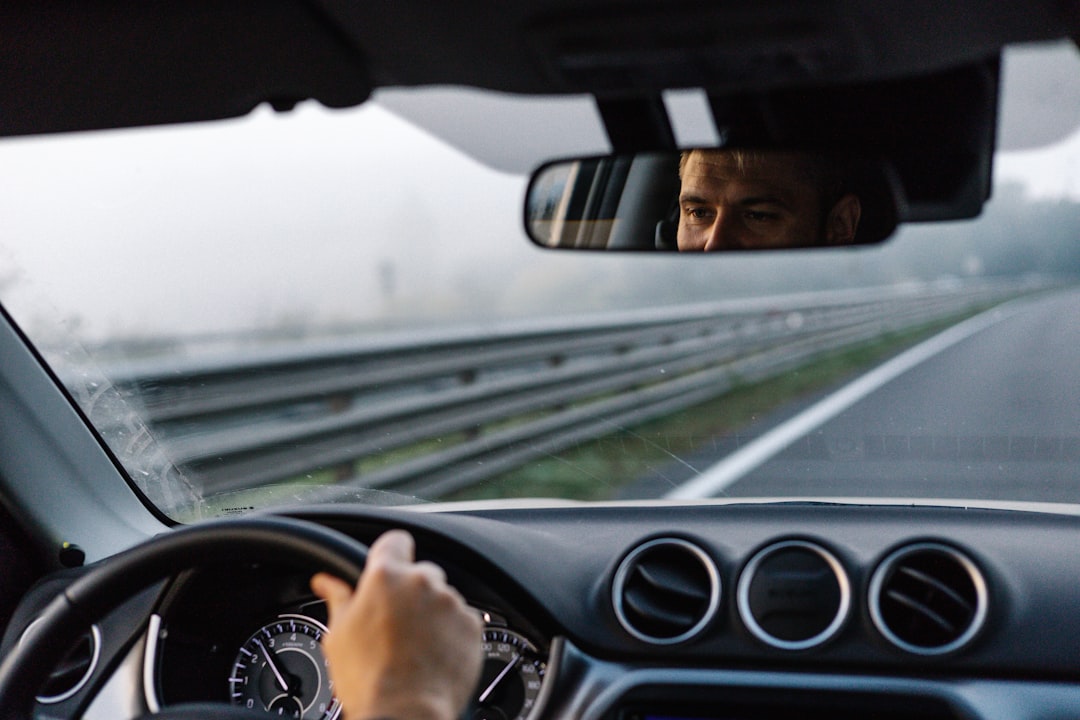
A driving style test simply holds up a mirror. Sometimes that mirror says, “Nice work.” Sometimes it says, “Maybe stop braking like a startled goat.” Either way, the goal is better driving. Safer roads start with small habits, repeated every trip.