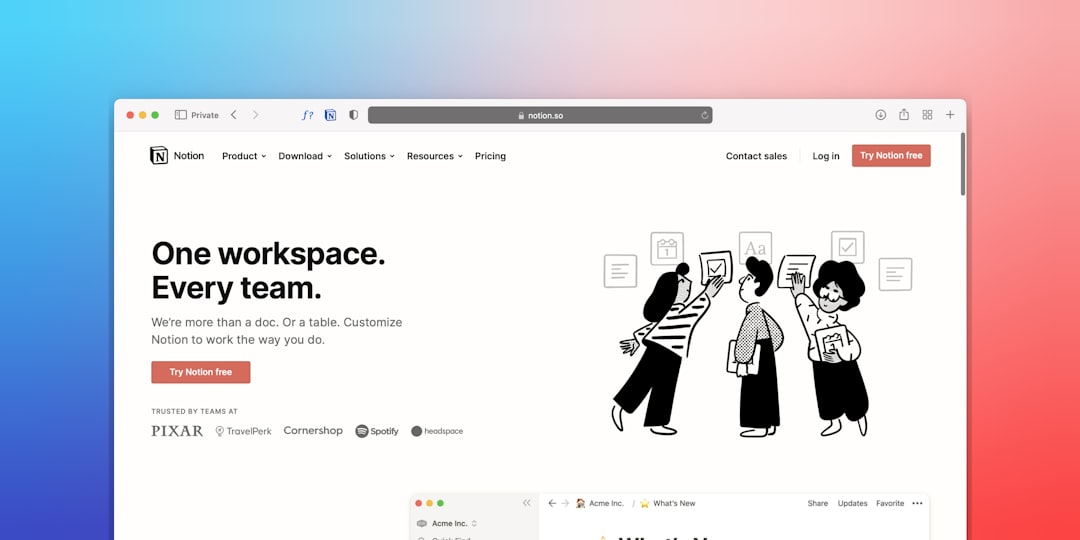
A career site is often the first serious interaction a candidate has with an employer. It is where people assess not only open roles, but also culture, credibility, expectations, and whether the organization respects their time. A well-designed career site supports recruitment performance while strengthening employer branding through clarity, accessibility, and trust.
TLDR: A strong career site combines clear user experience with a credible employer brand. Candidates should be able to understand the company, find relevant roles, and apply without unnecessary friction. The best designs are accessible, mobile-friendly, transparent, and consistent with the organization’s real culture. Treat the career site as both a recruitment tool and a long-term reputation asset.
Start with the candidate journey
Effective career site design begins with a simple question: what does a candidate need to know, feel, and do at each stage? Visitors may arrive from job boards, social media, search engines, employee referrals, or direct brand awareness. Some are actively applying; others are only exploring. The site must serve both.
A strong candidate journey usually includes three core steps: discovering the employer, evaluating fit, and completing an application. Each step should be intentional. If candidates cannot quickly understand who you are, what roles are available, and how the hiring process works, many will leave before applying.
Design decisions should therefore be based on behavior, not internal assumptions. Review analytics, application drop-off points, search terms, and candidate feedback. The goal is not only to make the site look professional, but to remove uncertainty and reduce effort.
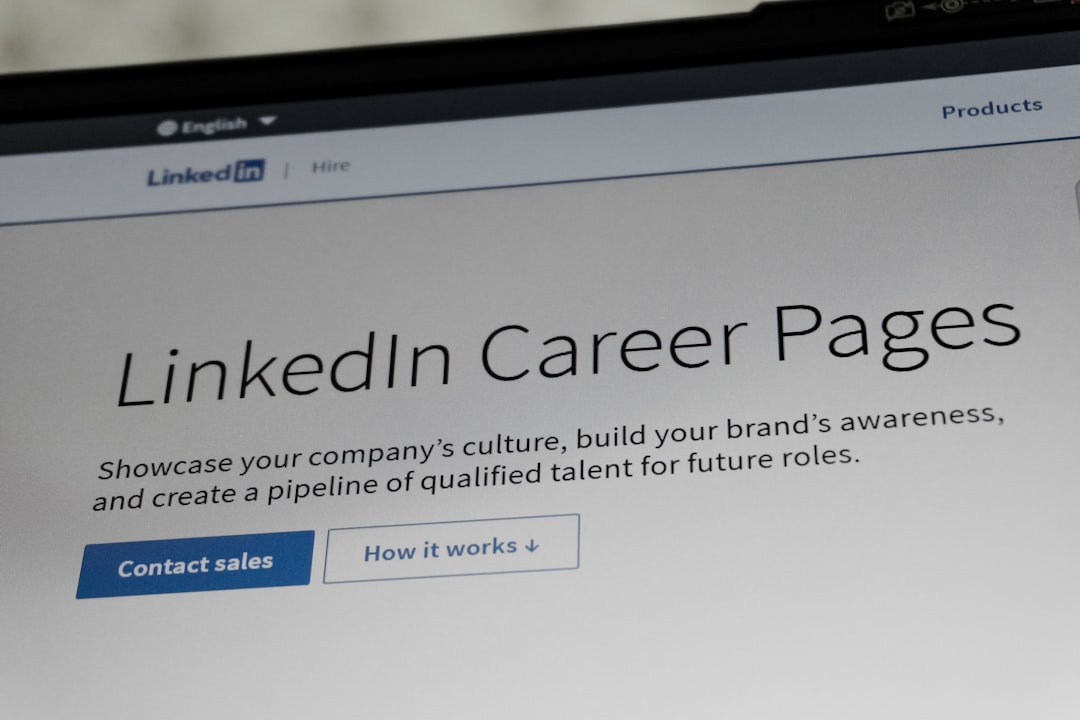
Make navigation simple and predictable
Career sites often fail because they try to communicate too much at once. Candidates should not have to decode corporate language or navigate through unrelated pages to find jobs. Keep the main navigation focused and predictable.
Important sections typically include:
- Open roles: A clear path to job listings, ideally visible in the main menu and primary call to action.
- Life at the company: A realistic view of culture, collaboration, values, and work environment.
- Benefits and growth: Information on compensation philosophy, development, flexibility, wellbeing, and recognition.
- Hiring process: A step-by-step explanation of what candidates can expect.
- Locations or remote work: Clear details about where and how people work.
Use plain labels rather than clever names. For example, “Open Roles” is clearer than “Your Next Adventure”. Creativity can support the brand, but clarity must come first.
Optimize job search and filtering
The job search experience is one of the most important parts of the career site. Candidates usually arrive with specific criteria: role type, location, seniority, department, work model, salary expectations, or required skills. The search and filtering system should help them reach relevant roles quickly.
Useful filters include department, location, remote or hybrid status, employment type, experience level, and keyword search. If the company has many openings, consider adding saved searches or job alerts. If there are only a few roles, avoid overcomplicating the interface.
Job cards should display essential details before a candidate clicks: title, location, department, work arrangement, and employment type. Avoid vague titles or internal abbreviations. A candidate should never need insider knowledge to understand a role.
Write job descriptions for humans
Job descriptions are part of user experience. They influence whether qualified people apply and whether underrepresented candidates self-select out. Clear, structured, inclusive descriptions can improve both conversion and quality of applications.
Each job description should include:
- Role purpose: A concise explanation of why the position exists.
- Key responsibilities: Specific, realistic responsibilities rather than exhaustive task lists.
- Required qualifications: Only the requirements that are truly necessary.
- Preferred qualifications: Clearly separated from mandatory criteria.
- Compensation and benefits: Salary range where legally required or strategically appropriate.
- Hiring process: Interview stages, estimated timelines, and assessment expectations.
Avoid inflated language such as “rockstar,” “ninja,” or “must thrive under extreme pressure.” Such wording can damage credibility and discourage strong candidates. Serious applicants value accuracy, transparency, and respect.
Reduce friction in the application process
A polished career site loses value if the application process is slow, repetitive, or confusing. Candidates should be able to apply without creating unnecessary accounts, re-entering resume information multiple times, or navigating poorly optimized forms.
Key principles include:
- Keep forms short: Ask only for information needed at the initial stage.
- Support resume parsing, but do not rely on it: Allow candidates to review and correct imported information.
- Show progress: If the application has multiple steps, make the number of steps visible.
- Confirm submission: Provide a clear success message and explain the next step.
- Respect candidate time: Avoid long assessments before initial screening unless absolutely necessary.
Application completion rate is a critical measure of career site performance. If many candidates abandon the process, the form itself may be a recruitment barrier.
Build trust through transparency
Candidates evaluate employers the same way customers evaluate service providers: they look for signs of reliability, honesty, and alignment. A trustworthy career site does not make exaggerated promises. It gives candidates enough information to make an informed decision.
Transparency can include salary ranges, remote work policies, benefits details, interview stages, expected timelines, and information about decision-making. If the process typically takes three weeks, say so. If some roles require onsite presence, make that clear early.
Employee stories can also build trust, but they must feel authentic. Use real employees, specific examples, and balanced narratives. Instead of generic statements such as “our people are our greatest asset,” show how people are supported through training, leadership access, flexibility, or career mobility.
Use employer branding consistently
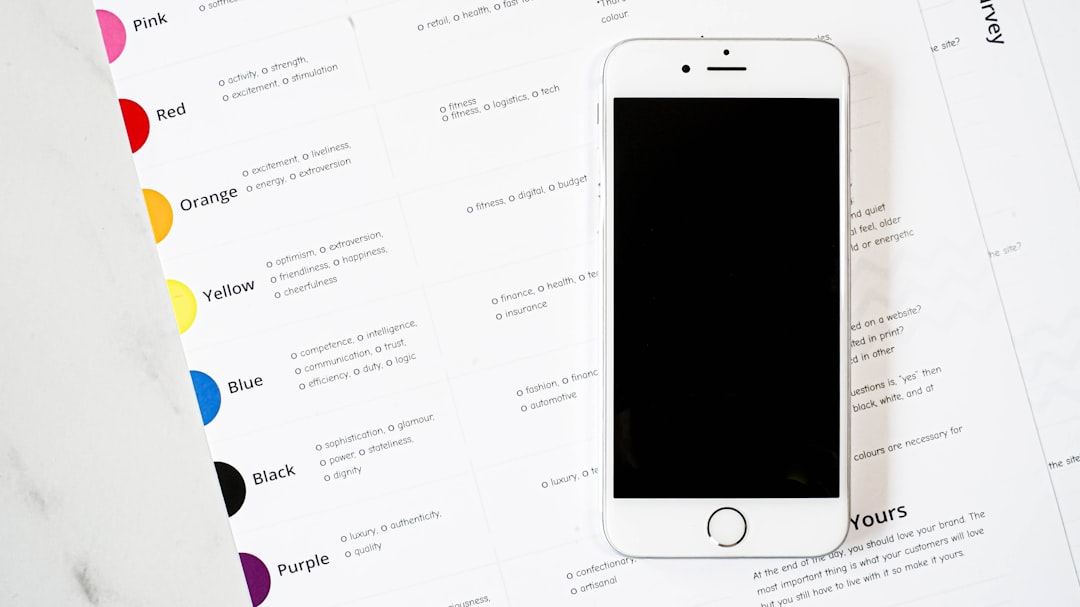
Employer branding is not a slogan or a photo gallery. It is the consistent expression of what it is like to work at the organization. The career site should reflect the same standards as the corporate brand while addressing the priorities of candidates.
Visual design, tone of voice, photography, video, and messaging should align with the company’s identity. However, consistency does not mean stiffness. A financial institution, healthcare provider, technology company, or manufacturing business may each express credibility differently. The key is to match the design with the reality of the workplace.
Strong employer branding often answers these questions:
- What kind of people succeed here?
- What values genuinely influence decisions?
- How does the organization support growth?
- What makes the employee experience distinct?
- Why should a candidate choose this employer over another?
Do not overpromise. If the career site presents an idealized culture that differs from employee reality, the result may be higher turnover, poor reviews, and weaker trust over time.
Design for mobile first
Many candidates browse roles on mobile devices, even if they later complete applications on desktop. A mobile-first approach ensures that content, navigation, search, and applications work well on smaller screens.
Mobile design should include readable typography, large tap targets, fast-loading pages, concise content blocks, and simple forms. Avoid large files that slow down page performance. Candidates may be viewing the site during a commute, between meetings, or after work; speed and clarity matter.
Test the full journey on real devices, not only in desktop preview mode. Confirm that filters, resume upload, dropdowns, consent checkboxes, and confirmation messages are usable on mobile.
Prioritize accessibility and inclusion
An accessible career site is both an ethical responsibility and a practical recruitment advantage. It helps candidates with disabilities engage with opportunities and signals that the organization takes inclusion seriously.
Important accessibility practices include sufficient color contrast, keyboard navigation, descriptive link text, proper heading hierarchy, alt text for meaningful images, captions for videos, and forms with clear labels. Avoid relying on color alone to communicate important information.
Inclusion also appears in language. Use gender-neutral wording, avoid unnecessary physical requirements, and distinguish essential skills from preferences. Every design and content choice should help qualified candidates see a fair opportunity to apply.

Measure performance and improve continuously
A career site should not be treated as a one-time project. Recruitment needs evolve, candidate expectations change, and site performance can decline if it is not maintained. Establish a regular review process with recruiting, employer brand, HR, marketing, and web teams.
Useful metrics include traffic sources, job search usage, page engagement, application starts, application completions, drop-off rates, mobile performance, and conversion by role category. Qualitative feedback is equally important. Candidate surveys and recruiter observations can reveal issues that analytics alone cannot explain.
Continuous improvement may involve rewriting job descriptions, simplifying forms, improving page speed, updating employee stories, or adjusting navigation. Small refinements can produce meaningful gains in application quality and candidate perception.
Conclusion
A high-performing career site is built on respect for the candidate. It communicates clearly, functions smoothly, reflects the real employer brand, and makes applying as straightforward as possible. When UX principles are applied with discipline, the career site becomes more than a list of vacancies. It becomes a credible recruitment platform that helps the right people understand the organization, trust the process, and take the next step with confidence.