Pick ClickUp if you want the closest all around Exte alternative. Pick Asana if your team needs clean project tracking. Pick Monday.com if you want bright boards and simple dashboards. Teams lose a lot of time to chatter too. Microsoft says people spend 57% of their work time communicating and only 43% creating [source: Microsoft].
TLDR: Exte can be useful, but many teams need more flexible tools for tasks, approvals, files, and reports. A 12 person ops team could move approvals from email into ClickUp and cut weekly status meetings from 5 to 2. That is not magic. It is just fewer lost messages and clearer owners.
Why teams look for Exte alternatives
Exte may fit some workflows. But software should feel like a helper, not a tiny maze. If your team is asking, “Where is that file?” or “Who approved this?” ten times a day, the tool is failing you.
Honestly, it feels like some apps add three extra clicks just to mark a task as done. Nobody has time for that. Your team needs clear boards, fast comments, simple automations, and reports that do not make people sigh.
1. ClickUp: Best for all in one team operations
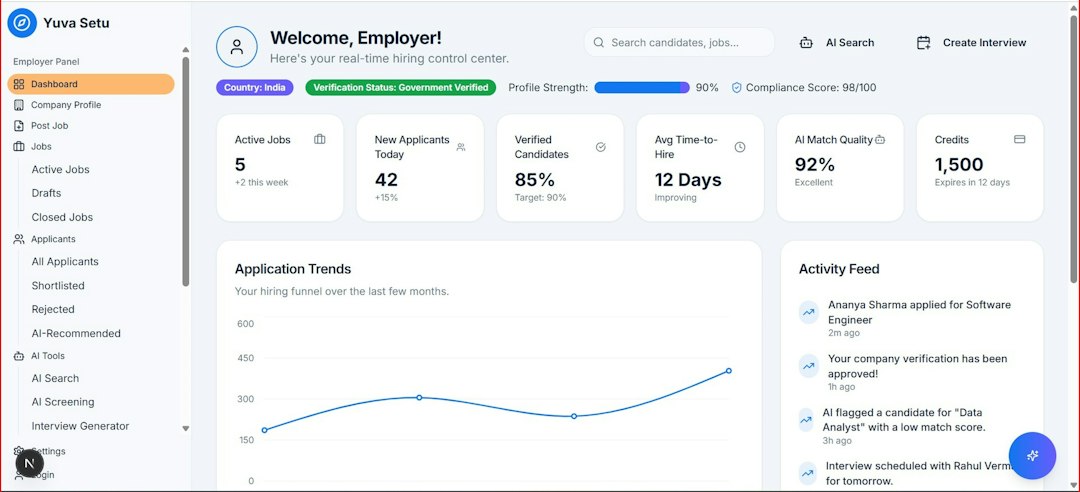
ClickUp is the Swiss Army knife of team software. It handles tasks, docs, goals, dashboards, forms, and simple automation. It is great for teams that want one home for daily work.
Best for: operations teams, agencies, product teams, and remote teams.
- Why it works: You can view the same work as a list, board, calendar, or timeline.
- Nice touch: Built in docs help teams keep plans near tasks.
- Small annoyance: There are many features. New users may need a few days to settle in.
Simple use case: A marketing team can plan campaigns, assign design tasks, review copy, track launch dates, and share weekly reports from one place.
2. Asana: Best for clean project tracking
Asana is neat. That is its superpower. It does not try to be everything at once. It helps teams see who is doing what, by when, and why it matters.
Best for: project managers, marketing teams, HR teams, and client teams.
- Why it works: Task owners and due dates are very clear.
- Nice touch: Project templates save setup time.
- Small annoyance: Reporting can feel basic unless you use higher plans.
Asana is great when your team likes order. It is less ideal when you want deep database style tracking or heavy custom systems.
3. Monday.com: Best for visual workflows
Monday.com is colorful and easy to scan. It feels friendly. That matters when not everyone on the team loves business software.
Best for: sales teams, service teams, small businesses, and team leads.
- Why it works: Boards are simple to read.
- Nice touch: Dashboards make progress easy to show.
- Small annoyance: Some automation limits can sneak up on busy teams.

Simple use case: A sales team can track leads, calls, quotes, contract status, and handoffs to account managers. No more “Did anyone follow up?” chaos.
4. Notion: Best for docs plus lightweight workflows
Notion is great when your team lives in notes, plans, and shared knowledge. It is part wiki, part task tool, and part blank canvas.
Best for: startups, content teams, founders, and internal knowledge bases.
- Why it works: Pages are flexible and easy to link together.
- Nice touch: You can build a simple team hub fast.
- Small annoyance: Big workspaces can get messy if nobody manages structure.
Notion is fun. But it needs rules. Name pages clearly. Use templates. Clean old content. Otherwise, it becomes a digital junk drawer with a cute icon.
5. Airtable: Best for data heavy workflows
Airtable feels like a spreadsheet that went to business school. It is great for tracking records, assets, budgets, events, content, or inventory.
Best for: operations teams, content calendars, event teams, and data heavy projects.
- Why it works: You can connect records and create custom views.
- Nice touch: Forms help collect clean data from teammates or clients.
- Small annoyance: Complex bases can confuse new users.
Airtable shines when plain task lists are not enough. For example, a content team can connect writers, topics, keywords, due dates, drafts, editors, and publish links in one base.
Quick comparison
- ClickUp: Best overall replacement for broad work management.
- Asana: Best for clean project plans and clear owners.
- Monday.com: Best for visual boards and simple team dashboards.
- Notion: Best for docs, notes, and team knowledge.
- Airtable: Best for structured data and custom tracking.
How to pick the right one
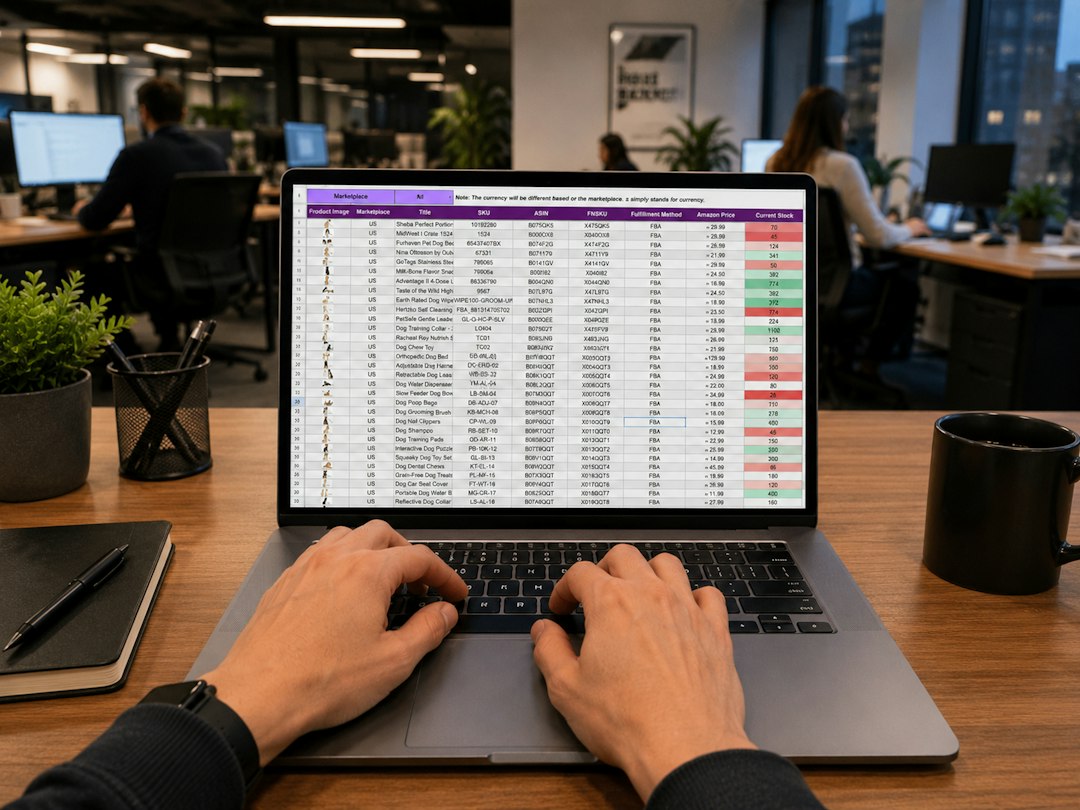
Start with the pain. Do not start with the feature list. Features are shiny. Pain is honest.
- If tasks keep slipping, choose Asana or ClickUp.
- If your team needs visual status boards, choose Monday.com.
- If your knowledge is scattered, choose Notion.
- If you track lots of linked data, choose Airtable.
Test one tool with one workflow first. Pick something real, like client onboarding or content approval. Run it for two weeks. Count missed tasks, meeting time, and update requests before and after.
Best final pick? For most teams replacing Exte, ClickUp is the safest first trial. It covers the most ground. But if your team wants simple and calm, Asana may win. The best tool is the one people actually use without groaning.