Printed communication remains an important part of business, public services, education, retail, packaging, events, and community outreach. Yet print by itself has a limitation: it is fixed at the moment it is produced. A QR code in print solves this problem by creating a practical bridge between physical materials and digital information, allowing people to move from a flyer, poster, label, brochure, ticket, manual, or business card to a website, form, video, map, product page, payment portal, or downloadable file in seconds.
TLDR: QR codes make printed materials more useful by connecting them to digital content that can be updated, tracked, and expanded. They reduce friction for users because a simple scan can replace typing long web addresses or searching manually. For organizations, QR codes support marketing, operations, customer service, education, compliance, and analytics. When designed and tested properly, they are a reliable and cost-effective addition to print campaigns.
Why QR Codes Matter in Print
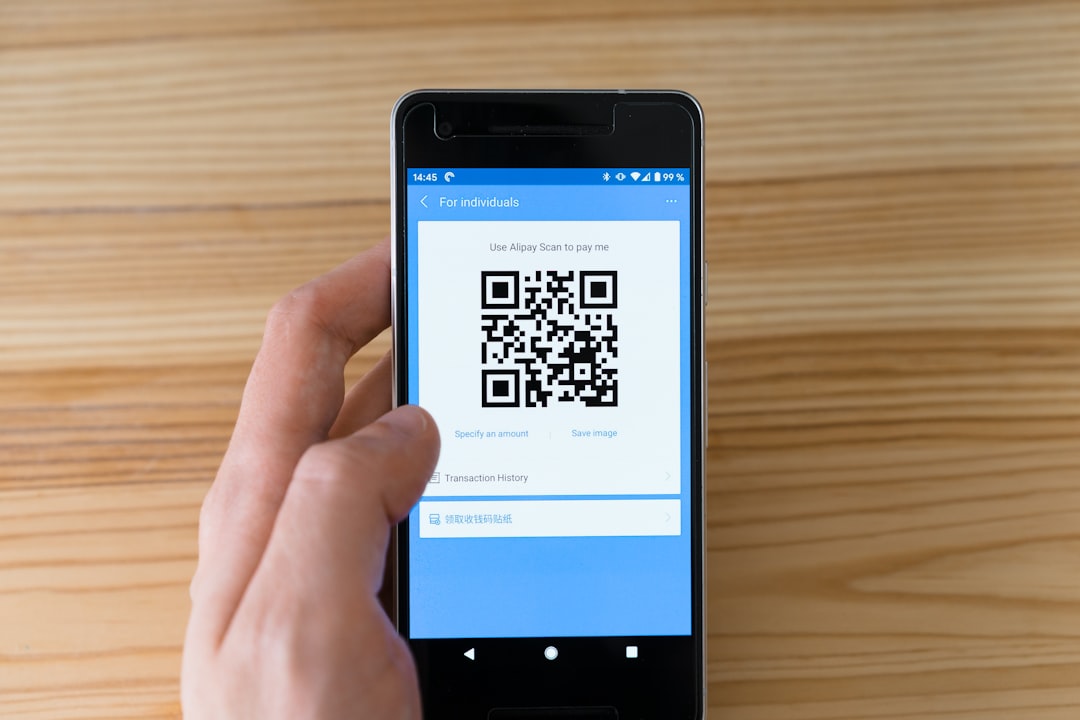
A QR code, or Quick Response code, is a machine-readable graphic that stores information such as a URL, contact details, text, geographic coordinates, or payment instructions. Modern smartphones can scan QR codes directly through the camera, which has made them accessible to a broad audience without requiring special hardware or niche software.
The value of QR codes in print is not simply convenience. Their real strength is that they turn a static object into an interactive access point. A printed brochure can lead to a product demonstration. A restaurant menu can open current pricing and allergen information. A poster can direct people to registration. A package can provide traceability details. This combination of physical presence and digital depth is what makes QR codes so valuable across industries.
Key Benefits of QR Codes in Printed Materials
1. Faster Access to Information
One of the most immediate benefits is speed. A person does not need to type a long website address, search for a company name, or navigate through multiple pages. By scanning a QR code, the user can be taken directly to the relevant destination. This is especially useful in situations where attention is limited, such as trade shows, retail environments, transportation hubs, classrooms, and waiting areas.
For example, a poster advertising a health screening event can link directly to an appointment booking form. A product tag can lead to detailed specifications. A public notice can connect citizens to a multilingual information page. In each case, the QR code removes unnecessary steps and improves the likelihood that the user will take action.
2. More Value from Limited Print Space
Printed materials often have strict size constraints. A business card, product label, ticket, or shelf sign cannot include every detail without becoming crowded and difficult to read. QR codes allow organizations to keep print layouts clean while still offering deeper information online.
This is particularly useful for complex or regulated content. Instead of fitting lengthy instructions, warranty details, safety information, policy documents, or technical manuals into a small printed area, the print item can provide a concise summary and a QR code leading to the full resource. The result is a more professional design and a better user experience.
3. Measurable Engagement
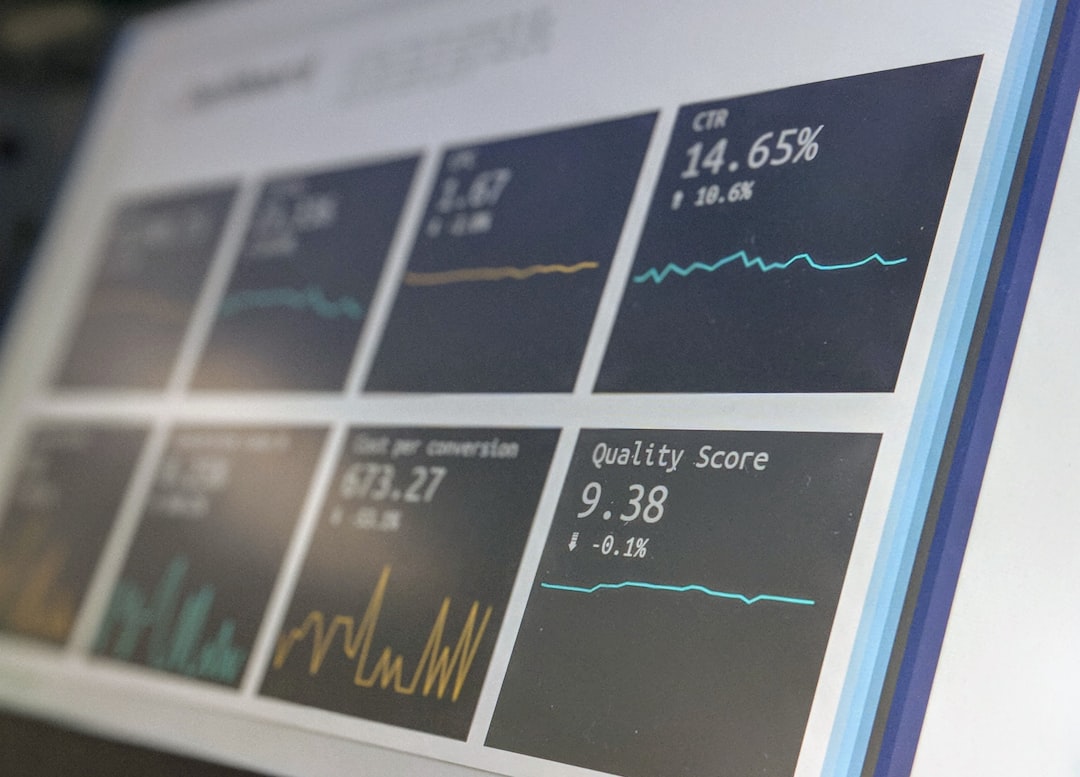
Traditional print can be difficult to measure. Organizations may know how many copies were printed or distributed, but they often cannot determine how many people responded. QR codes can change that. When a QR code points to a trackable digital destination, it becomes possible to monitor scan volume, location trends, device type, campaign timing, and conversion behavior.
This data can help teams make more informed decisions. A retailer can compare the performance of QR codes on window posters, in-store signs, and packaging. A university can identify which printed recruitment materials generate the most application interest. A nonprofit can track which mailers lead to donations or volunteer signups. While privacy and data protection must always be respected, aggregate scan data can make print campaigns more accountable and efficient.
4. Lower Cost for Updates and Corrections
Print is expensive to revise once it has been produced. If prices, schedules, inventory, documents, or instructions change, reprinting can be costly and wasteful. QR codes reduce this risk, especially when they use a dynamic destination. With a dynamic QR code or managed redirect, the printed code can stay the same while the online content behind it is updated.
This is a significant benefit for menus, event programs, product support pages, safety documentation, training materials, real estate listings, and seasonal promotions. The organization can maintain accuracy without discarding existing printed assets. It also supports sustainability by reducing unnecessary reprints.
5. Improved Customer Experience
QR codes can help customers find answers at the exact moment they need them. A customer assembling furniture can scan a code for a video tutorial. A hotel guest can scan a room card for Wi-Fi details, local recommendations, or service requests. A patient can scan a clinic handout to access preparation instructions or follow-up care information.
In these examples, the QR code supports the customer journey rather than interrupting it. It gives users a direct path to relevant support and reduces reliance on phone calls, printed documents, or staff availability. When information is clear, current, and easy to access, customer confidence increases.
Common Applications of QR Codes in Print
Marketing and Advertising
Marketing is one of the most common uses of QR codes in print. Codes can be placed on posters, flyers, billboards, direct mail, catalogs, magazine ads, coupons, and event handouts. They can link to landing pages, limited-time offers, video content, product launches, loyalty programs, or social media profiles.
The most effective marketing QR codes are connected to a clear call to action. Instead of simply placing a code on a flyer, a business should explain the benefit: “Scan to claim the offer,” “Scan to register,” “Scan to watch the demo,” or “Scan to compare options.” This helps users understand why scanning is worth their time.
Product Packaging and Labels
Packaging has become a powerful platform for QR codes. Brands use them to provide product authentication, ingredient information, sourcing details, recycling instructions, user manuals, recipe ideas, and customer support. In industries such as food, cosmetics, electronics, pharmaceuticals, and consumer goods, QR codes can support transparency and compliance.
For premium products, a QR code can also enhance storytelling. A coffee package might link to information about the farm and roasting process. A wine label might provide tasting notes and pairing suggestions. An electronics product might connect to setup videos and warranty registration. These applications add value without overloading the package design.
Events, Tickets, and Venues
QR codes are widely used in event management. Printed tickets often include QR codes for entry validation, reducing manual check-in time and improving security. Event posters and invitations can link to registration pages, agendas, speaker profiles, venue maps, parking instructions, and live updates.
At the venue itself, QR codes can guide attendees to session materials, feedback forms, sponsor pages, or networking tools. For conferences, exhibitions, concerts, sports events, and community gatherings, QR codes make it easier to manage information that changes quickly.
Education and Training
In education, QR codes can make printed learning materials more interactive. Textbooks, worksheets, classroom posters, library guides, and training manuals can link to videos, quizzes, simulations, reading lists, or assignment submission portals. This supports different learning styles and allows printed resources to remain concise.
For workplace training, QR codes can be placed near equipment, in safety manuals, or on procedure checklists. Employees can scan them to access updated instructions, inspection forms, hazard information, or short refresher videos. This is especially valuable in manufacturing, healthcare, logistics, and field service environments where accuracy and consistency matter.

Healthcare and Public Information
Healthcare providers and public agencies can use QR codes to distribute reliable information efficiently. Printed handouts, appointment cards, posters, medicine packaging, and public notices can link to verified guidance, forms, directions, emergency updates, or multilingual resources.
However, trust is especially important in these settings. QR codes should direct users only to secure, official, and clearly branded pages. The printed material should identify the organization responsible for the code and provide an alternative access method for people who cannot or prefer not to scan.
Real Estate and Local Services
Real estate signs, property brochures, and window displays often use QR codes to connect prospects to live listings, virtual tours, photo galleries, mortgage calculators, or agent contact forms. This allows interested buyers or tenants to act immediately, even outside office hours.
Local service businesses can use QR codes on direct mail, door hangers, service vans, invoices, and appointment cards. Codes may link to booking forms, reviews, service menus, quotes, payment pages, or maintenance tips. The result is a smoother path from awareness to action.
Best Practices for Using QR Codes in Print
- Use a clear call to action: Tell people what they will receive when they scan. A QR code without explanation often performs poorly.
- Ensure sufficient size: The code must be large enough to scan easily at the expected viewing distance. Small codes on glossy or curved surfaces can cause problems.
- Maintain strong contrast: Dark codes on light backgrounds are usually the most reliable. Avoid low-contrast color combinations.
- Leave a quiet zone: Keep clear space around the code so scanners can recognize it properly.
- Test before printing: Test the QR code on multiple devices, lighting conditions, and print samples before mass production.
- Link to mobile-friendly pages: Most scans happen on smartphones, so the destination should load quickly and display correctly on small screens.
- Provide an alternative: Include a short URL or basic instruction for users who cannot scan the code.
- Consider security and trust: Use reputable domains, HTTPS links, and branded landing pages. Avoid sending users to unclear or suspicious destinations.
Risks and Limitations to Consider
Although QR codes are useful, they should be implemented thoughtfully. A poorly printed code, a broken link, or a confusing landing page can damage credibility. Users may also hesitate to scan if they do not trust the source. This is why printed context matters. The code should appear in a credible environment, supported by clear branding and a specific purpose.
Security is another consideration. Malicious actors can place unauthorized stickers over legitimate QR codes in public spaces, directing users to fraudulent pages. Organizations should inspect high-traffic printed installations regularly and educate users to verify the destination before entering sensitive information.
The Future of QR Codes in Print
QR codes are likely to remain important because they are simple, inexpensive, and widely understood. As print and digital systems become more connected, QR codes will continue to support personalization, authentication, sustainability reporting, mobile payments, augmented content, and real-time customer service.
The most successful uses will not treat QR codes as decorative add-ons. Instead, they will use them as part of a planned communication strategy. The printed piece should capture attention and establish trust; the QR destination should deliver immediate value. When both parts work together, print becomes more measurable, more flexible, and more useful.
Conclusion
QR codes have become a practical standard for connecting printed materials to digital experiences. Their benefits are clear: they improve access to information, save space, support tracking, reduce update costs, and enhance customer engagement. Their applications span marketing, packaging, education, healthcare, events, real estate, public services, and internal operations.
For any organization using print, the question is no longer whether QR codes are relevant. The more important question is how to use them responsibly and effectively. With a clear purpose, good design, reliable testing, and trustworthy digital destinations, a QR code can turn a simple printed item into a powerful point of interaction.