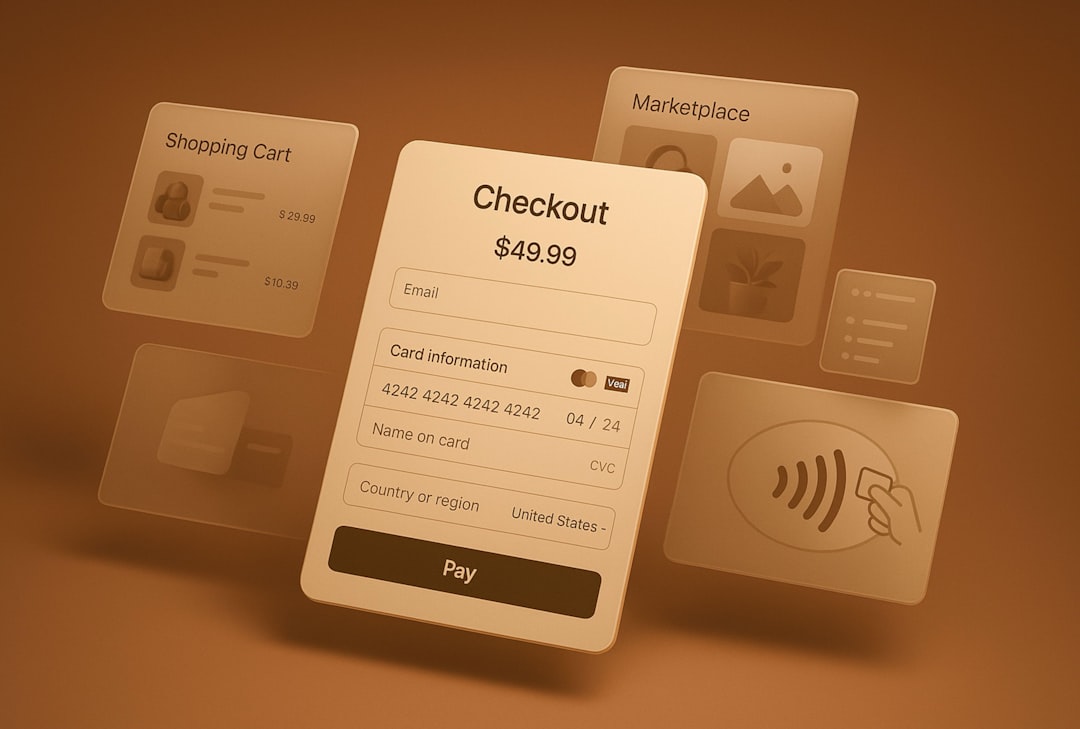
A mailing list is a permission-based database of people who have agreed to receive messages from a business. It usually contains email addresses, names, preferences, purchase history, and engagement data. Businesses use it to send newsletters, promotions, product updates, event invites, and customer retention campaigns.
TLDR: A mailing list helps a business speak directly to subscribers without depending fully on ads or social media algorithms. For example, an online store with 10,000 subscribers, a 32% open rate, and a 3.5% click rate could drive 350 site visits from one campaign. If 40 buyers spend $60 each, that single email may produce $2,400 in revenue. The best lists are built with consent, split into smart segments, cleaned often, and measured by revenue, not vanity numbers.
What Is a Mailing List?
A mailing list is a collection of contacts who can receive messages from a business, creator, nonprofit, or publisher. The term often means an email list, though it can also include postal addresses or SMS contacts. In digital marketing, it usually refers to subscribers stored in an email service provider such as Mailchimp, Klaviyo, HubSpot, Brevo, or ConvertKit.
The value of a mailing list comes from permission. A subscriber has signed up, made a purchase, downloaded a guide, joined a webinar, or asked for updates. That consent makes the channel more trusted than cold outreach. It also reduces legal risk and spam complaints.
Unlike social followers, mailing list subscribers are not locked inside one social platform. A business owns the relationship more directly. Algorithms can change overnight. Ad prices can rise. A well-kept list remains a stable asset.
How Businesses Build Mailing Lists
Healthy list growth starts with a clear reason to subscribe. Nobody needs another bland newsletter. It drives people crazy when a form says “Sign up for updates” and gives no useful reason. A better offer is specific, timely, and tied to a real benefit.
Common list-building methods include:
- Website signup forms: Embedded forms, popups, footer forms, and checkout opt-ins.
- Lead magnets: Free guides, checklists, templates, discount codes, calculators, or reports.
- Customer accounts: Signup during purchase, booking, registration, or subscription setup.
- Events and webinars: Registration forms that clearly state future email consent.
- Referral programs: Rewards for subscribers who invite friends or colleagues.
- Content upgrades: Bonus material attached to a blog post, video, or podcast episode.
The best signup process is simple. It asks only for what is needed at that moment. An email address may be enough at first. Later, the business can collect preferences, location, company size, birthday, interests, or product needs.
Double opt-in can also improve list quality. With this approach, a person signs up and then confirms via email. It may reduce total signups, but it often improves open rates and lowers fake addresses.
How Businesses Segment Subscribers
Segmentation means splitting a mailing list into smaller groups based on shared traits or behavior. This makes campaigns more relevant. A new subscriber should not always receive the same message as a loyal customer who has purchased ten times.
Useful segments include:
- New subscribers: People who joined recently and need a welcome sequence.
- First-time buyers: Customers who may need onboarding, care tips, or related products.
- Repeat buyers: Loyal customers suited for VIP offers, early access, or loyalty rewards.
- Inactive contacts: Subscribers who have not opened or clicked in several months.
- High-intent leads: People who viewed pricing, abandoned a cart, or downloaded buyer guides.
- Interest groups: Subscribers who prefer certain topics, categories, or services.
- Location-based groups: Contacts grouped by city, region, or time zone.
A clothing retailer, for example, could send winter coats to subscribers in colder regions and lightweight shirts to warmer areas. A software company could send trial users setup tips, while paying users receive feature updates and training invites.
The catch is that bad data ruins good segmentation. If forms collect messy fields, staff import duplicates, or tags are named at random, campaigns become harder to manage. Teams should expect to waste time when one group is called “VIP,” another “vip customers,” and another “High Value.” Clean naming rules matter.
How Businesses Maintain Mailing Lists
List maintenance keeps deliverability, engagement, and sender reputation healthy. A big list is not always a good list. If 80,000 contacts ignore every email, many inbox providers may treat future campaigns as unwanted mail.
Core maintenance tasks include:
- Remove bounced addresses: Hard bounces should be cleaned quickly.
- Monitor spam complaints: High complaint rates signal poor consent or weak content.
- Clean inactive contacts: Re-engage first, then remove contacts who stay silent.
- Update preferences: Let subscribers choose frequency, topics, and format.
- Check deliverability: Watch inbox placement, sender reputation, and authentication.
- Respect unsubscribes: Every marketing email needs a clear unsubscribe link.
Technical setup also matters. Businesses should use domain authentication records such as SPF, DKIM, and DMARC. These help inbox providers confirm that messages are legitimate. Without them, emails may land in spam even when subscribers asked to receive them.
Compliance is part of maintenance too. Laws such as CAN-SPAM, GDPR, CASL, and similar privacy rules may apply depending on the audience. A business should store consent records, avoid deceptive subject lines, identify the sender, and honor unsubscribe requests fast.
How Businesses Monetize Mailing Lists
A mailing list can create revenue in several ways. The most obvious is direct promotion. A retailer can send a sale. A consultant can promote a service. A publisher can sell paid subscriptions. Yet strong monetization rarely means blasting discounts every day.
Common monetization models include:
- Product sales: Campaigns for launches, restocks, seasonal offers, and bundles.
- Automated flows: Welcome emails, cart recovery, post-purchase cross-sells, and renewal reminders.
- Subscriptions: Paid newsletters, memberships, courses, software plans, or premium communities.
- Affiliate offers: Recommended products that match subscriber interests.
- Sponsorships: Paid placements inside newsletters with strong reader trust.
- Customer retention: Education, tips, and reminders that reduce churn.
Automation often brings the highest return because it reacts to behavior. If a shopper leaves a $120 cart behind, an abandoned cart email sent one hour later can recover the order. If a trial user stops logging in, a helpful tutorial may save the account before cancellation.
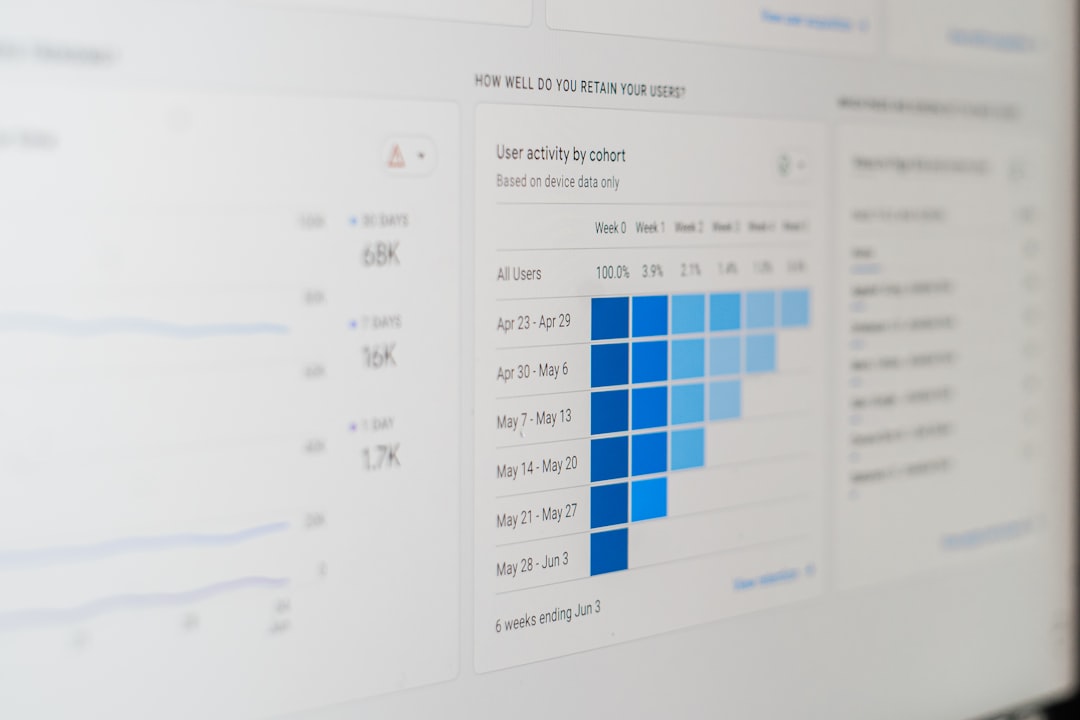
Metrics should connect to money. Open rates matter, but privacy changes have made them less reliable. Click rates, conversion rates, revenue per subscriber, unsubscribe rate, complaint rate, average order value, and lifetime value tell a clearer story.
Best Practices for Strong Mailing Lists
- Earn consent: Bought lists usually perform badly and can hurt domain reputation.
- Send useful content: Promotions work better when mixed with education, updates, and value.
- Write clear subject lines: Clever is fine, but clarity usually wins.
- Personalize with care: Use names, interests, and behavior when it improves the message.
- Test one thing at a time: Subject lines, send times, offers, and layouts should be tested cleanly.
- Keep forms honest: Subscribers should know what they will receive and how often.
A mailing list is not just a pile of email addresses. It is an audience asset. Built with trust, organized by behavior, cleaned on schedule, and tied to revenue goals, it can support sales, retention, research, and long-term brand loyalty.
FAQ
What is the difference between a mailing list and a newsletter?
A mailing list is the subscriber database. A newsletter is one type of message sent to that list.
How often should a business email its list?
Frequency depends on audience expectations and content quality. Many businesses send weekly, while ecommerce brands may send more during launches or holidays.
Is buying a mailing list a good idea?
No. Bought lists often lead to low engagement, spam complaints, legal risk, and poor sender reputation.
What is a good email open rate?
Many industries see open rates between 20% and 40%, but results vary. Clicks, conversions, and revenue are more useful measures.
When should inactive subscribers be removed?
Many businesses review inactivity after 90 to 180 days. A re-engagement campaign should usually come before removal.
Can small businesses monetize a mailing list?
Yes. Even a list of 500 engaged subscribers can produce sales if the offer, timing, and trust are strong.