Choosing between a motel, hotel, and inn can shape the comfort, cost, and convenience of a trip. Although these lodging types often overlap, each one usually serves a different kind of traveler, from road trippers needing quick access to drivers seeking a full-service stay or guests looking for a quieter, more personal atmosphere.
TLDR: A motel is usually best for short, budget-friendly roadside stays with easy parking. A hotel typically offers more services, amenities, and room variety, making it suitable for business trips, vacations, and longer stays. An inn is often smaller and more personal, ideal for travelers who want charm, simplicity, and a cozy setting.
Motel vs Hotel vs Inn: What Do They Mean?
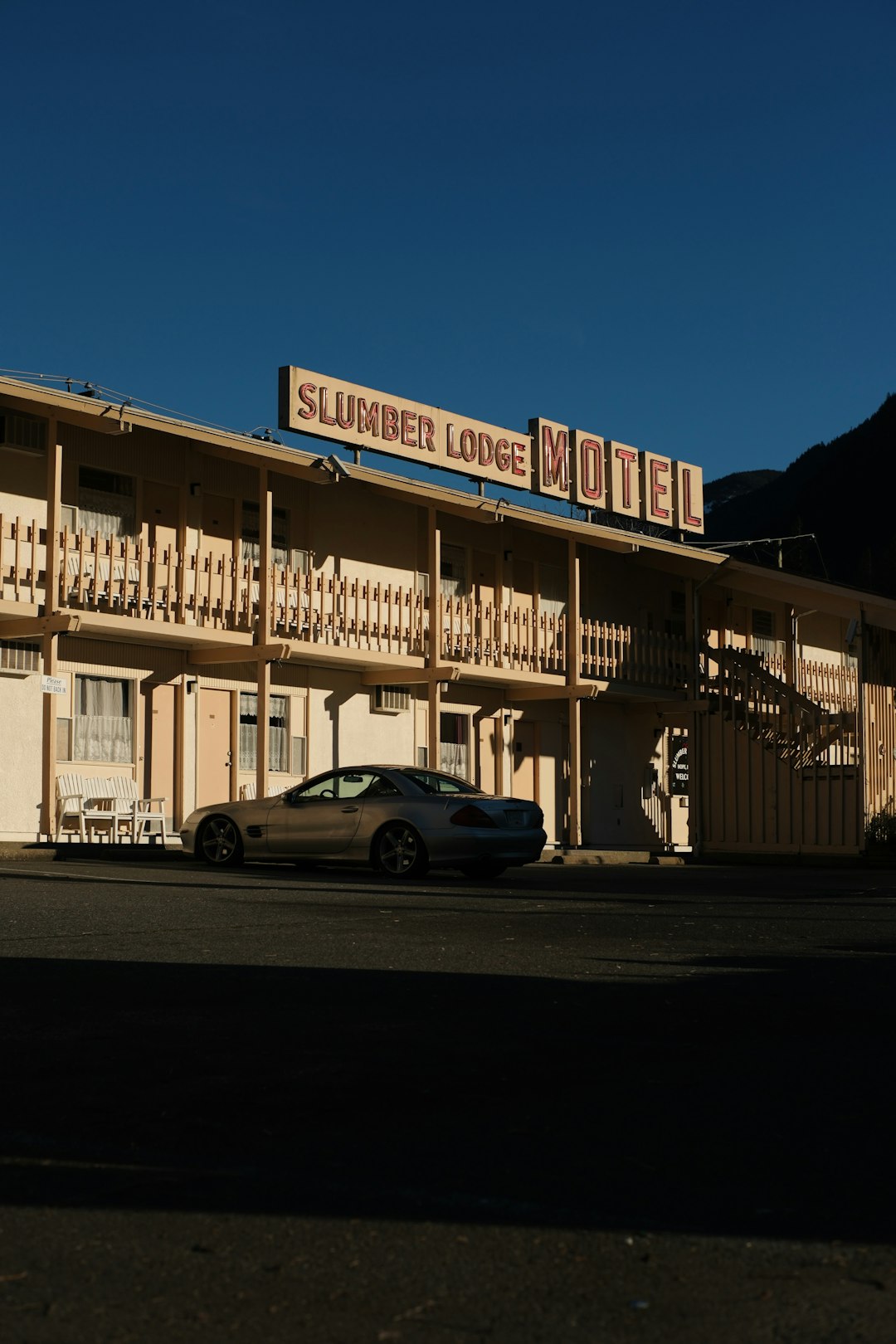
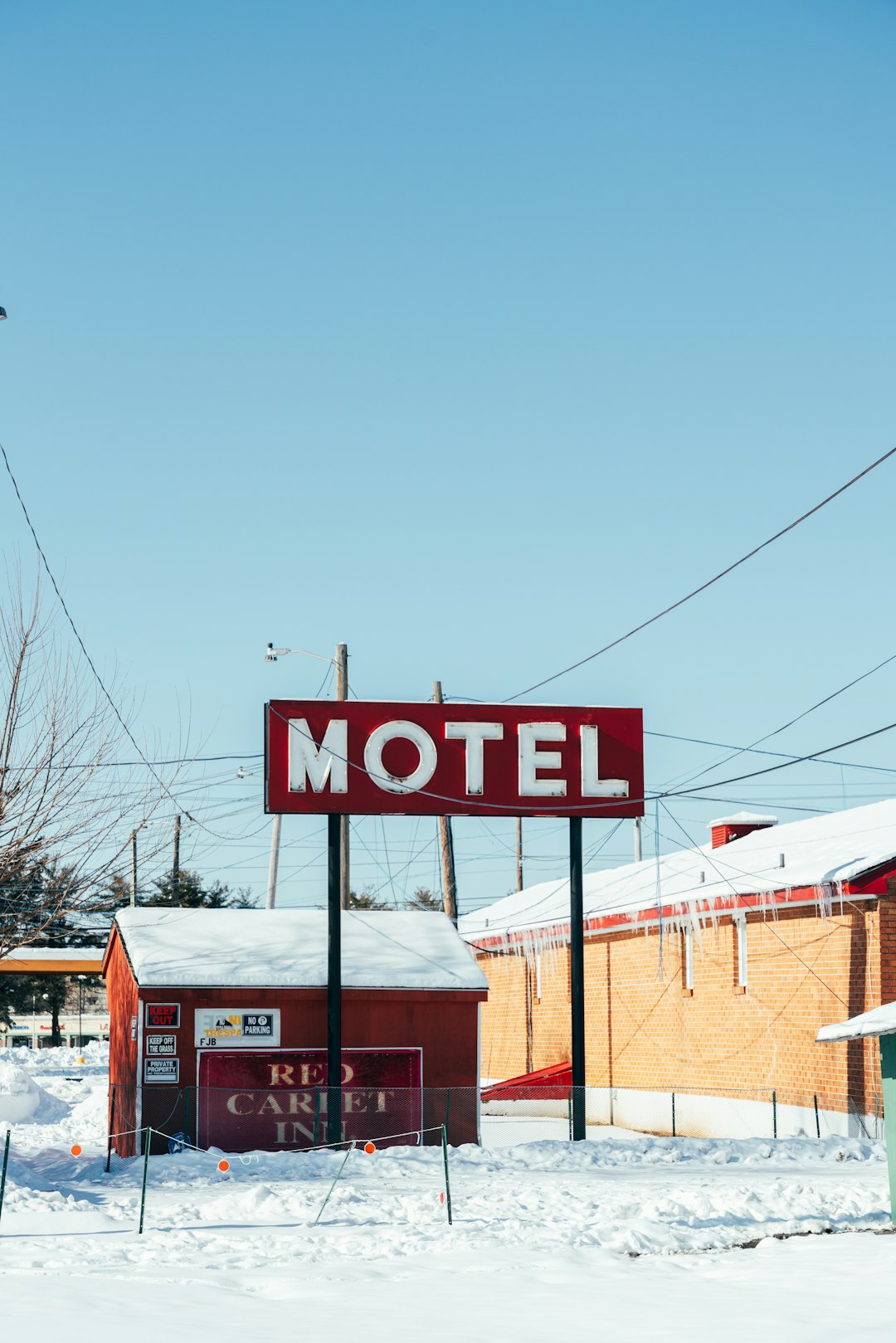
A motel, originally known as a “motor hotel,” is designed around car travel. Motels are commonly found near highways, small towns, airports, and major routes. Their layouts often allow guests to park close to their rooms, making check-in, unloading luggage, and early departures very convenient.
A hotel is usually a larger lodging property with interior corridors, a front desk, multiple floors, and a wider range of services. Hotels may be independent, boutique, luxury, budget, or part of an international chain. They are common in city centers, resort areas, business districts, and tourist destinations.
An inn is typically smaller than a hotel and often has a more intimate or traditional feel. Inns may be family-run, located in historic buildings, or positioned in scenic towns and rural areas. While some inns are simple, others can feel upscale and boutique, especially when they emphasize local food, décor, and hospitality.
Key Differences in Layout and Location
The most noticeable difference is often the layout. Motels frequently have exterior room entrances and parking spaces directly outside or nearby. This setup benefits travelers who are simply stopping overnight during a long drive.
Hotels usually place rooms inside a larger building, with elevators, lobbies, hallways, and security-controlled access. This design can feel more private and comfortable, especially for travelers staying several nights or visiting busy areas.
Inns vary widely, but they are often smaller properties with fewer rooms. Their appeal usually comes from atmosphere rather than size. An inn may be located near a town square, national park, beach, mountain road, or historic district, giving guests a stronger sense of place.
Amenities: What Guests Can Expect
Amenities can vary by brand, price, region, and property condition, but each lodging type tends to follow certain patterns.
- Motels: Basic rooms, free parking, Wi-Fi, television, air conditioning, vending machines, and sometimes a small breakfast area or outdoor pool.
- Hotels: Front desk service, housekeeping, restaurants, bars, gyms, meeting rooms, room service, concierge assistance, elevators, pools, laundry, and business centers.
- Inns: Cozy rooms, personalized service, breakfast, common sitting areas, local décor, gardens, fireplaces, or on-site dining in some cases.
For guests comparing lodging options, it can also help to review broader travel planning advice from the site’s blog, especially when deciding which amenities matter most for a specific trip.
In general, a motel focuses on convenience and affordability, a hotel focuses on service and variety, and an inn focuses on comfort and character.
Price Differences
Motels are often the most budget-friendly choice. Their lower rates usually reflect simpler services, smaller staffing needs, and practical locations. This makes them attractive to road trippers, contractors, travelers with pets, and guests who need a place to sleep rather than a full hospitality experience.
Hotels can range from inexpensive to extremely luxurious. A budget hotel may cost only slightly more than a motel, while a downtown business hotel or luxury resort can be significantly more expensive. The price often depends on location, brand, season, amenities, and demand.
Inns can be affordable or premium. A small roadside inn may offer modest prices, while a boutique inn in a historic village or coastal destination may charge higher rates due to its unique setting, design, or included breakfast.
Service Style and Guest Experience
The guest experience differs significantly between these three lodging types. A motel stay is usually straightforward: quick check-in, easy parking, a functional room, and a fast departure. It is practical rather than immersive.
A hotel stay may involve more structured service. Guests may interact with front desk staff, concierge teams, restaurant employees, valet attendants, or housekeeping. Hotels are often better suited for travelers who want predictable standards and added convenience.
An inn usually places more emphasis on personal hospitality. The owner or manager may greet guests directly, recommend local restaurants, or provide a homemade breakfast. This can create a warmer experience, though it may also mean fewer around-the-clock services than a hotel provides.

Which One Is Best for a Short Stay?
For one-night stops, especially during a road trip, a motel is often the most convenient option. Guests can park near the room, avoid large lobbies, and leave early with minimal hassle. Motels also work well when the main goal is saving money.
However, a hotel may be better for a short stay in a city, near an airport, or before an important meeting. Business travelers may prefer a hotel because it offers reliable Wi-Fi, workspaces, breakfast, transportation options, and better access to services.
Which One Is Best for a Longer Stay?
For longer stays, a hotel often offers the strongest balance of comfort and function. Guests may appreciate daily housekeeping, laundry, fitness facilities, restaurants, and more room choices. Extended-stay hotels may also include kitchenettes, larger rooms, and weekly rates.
An inn can also be excellent for a longer stay if the traveler wants relaxation rather than convenience. A quiet inn near a beach, countryside, lake, or historic town can make a trip feel slower and more memorable.
A motel can work for longer stays when budget is the main priority, but guests should check room size, noise levels, security, laundry access, and nearby dining before booking.
Safety and Security Considerations
Hotels often provide more controlled access because rooms are inside the building and public spaces are monitored. Larger hotels may also have security staff, keycard elevators, and 24-hour front desks.
Motels can be safe and comfortable, but travelers should pay closer attention to location, lighting, reviews, locking systems, and parking lot visibility. Since many motel rooms open directly outdoors, guests may prefer upper floors or rooms near the office.
Inns vary depending on size and setting. Many feel secure because they are small and personally managed, but guests should still check reviews, policies, and arrival procedures, especially if arriving late.
Image not found in postmetaHow to Choose the Right Option
The best choice depends on the purpose of the trip. A traveler passing through a town on a long drive may find a motel perfectly suitable. A family visiting a theme park or a professional attending a conference may prefer a hotel. A couple planning a weekend getaway may enjoy the charm of an inn.
- Choose a motel for low prices, quick stops, easy parking, and road trips.
- Choose a hotel for amenities, business services, consistency, and longer stays.
- Choose an inn for charm, personal service, quiet surroundings, and a local feel.
Before booking, guests should compare location, recent reviews, cancellation policies, parking fees, breakfast options, pet rules, and total cost. The name alone does not guarantee quality; a well-run motel may be better than a poorly managed hotel, and a small inn may offer a more memorable stay than a large chain property.
FAQ
What is the main difference between a motel and a hotel?
A motel is usually designed for motorists and often has exterior room entrances with nearby parking. A hotel typically has interior corridors, more services, and a wider range of amenities.
Is an inn the same as a hotel?
An inn is a type of lodging, but it is usually smaller, more personal, and often more traditional or locally styled than a typical hotel.
Are motels always cheaper than hotels?
Motels are often cheaper, but not always. Prices depend on location, demand, season, condition, and amenities.
Which is better for families?
Hotels are often better for families because they may offer pools, breakfast, larger rooms, elevators, and on-site dining. However, some inns and motels can also be family-friendly.
Which option is best for a romantic getaway?
An inn is often ideal for a romantic getaway because it may offer a quieter atmosphere, charming décor, scenic surroundings, and more personalized service.
Can motels be comfortable and safe?
Yes. Many motels are clean, comfortable, and safe. Guests should check recent reviews, location, lighting, parking, and security features before booking.