Finding a phone number in Canada can feel simple at first: type a name, city, or business into a search box and wait for results. In practice, however, Canadian phone directories are shaped by privacy rules, mobile phone habits, regional differences, and constantly changing contact information. This guide explains how Canada phone number directories work, when to use them, and how to search responsibly.
TLDR: Canada phone number directories help you find residential, business, and sometimes reverse lookup information, but results are not always complete. Landline numbers are easier to find than mobile numbers, which are often private or unlisted. Use reputable directories, verify details from more than one source, and respect Canadian privacy expectations when contacting people.
What Is a Canada Phone Number Directory?
A Canada phone number directory is a searchable resource that lists telephone numbers connected to people, businesses, organizations, or public services in Canada. Traditionally, these directories were printed phone books delivered to homes and offices. Today, most searches happen online through directory websites, search engines, business listings, maps, and telecommunications databases.
Directories typically cover two broad categories:
- Residential listings: Names, addresses, and landline numbers for individuals or households, when those details are publicly listed.
- Business listings: Company names, phone numbers, addresses, websites, operating hours, and sometimes customer reviews.
Some services also provide reverse phone lookup, where you enter a phone number to see whether a name, business, or location is associated with it. This can be useful for identifying missed calls, confirming a business contact, or spotting potential spam.

Understanding Canadian Phone Number Formats
Canadian phone numbers follow the North American Numbering Plan, the same system used in the United States and several other countries. A standard Canadian number has 10 digits:
- Area code: The first three digits, such as 416, 604, 514, or 902.
- Central office code: The next three digits.
- Line number: The final four digits.
For example, a number may appear as (416) 555-0198 or 416-555-0198. When calling Canada from outside the country, you usually dial +1 followed by the 10-digit number. The country code for Canada is shared with the United States, so the area code is essential for identifying the region.
Common Canadian Area Codes
Area codes can provide a helpful clue about where a number was originally assigned, although mobile phones and number portability mean people can keep a number even after moving. Here are a few well-known examples:
- 416, 647, 437: Toronto, Ontario
- 604, 778, 236: Vancouver and parts of British Columbia
- 514, 438: Montreal, Quebec
- 403, 587, 825: Calgary and southern Alberta
- 902, 782: Nova Scotia and Prince Edward Island
- 709: Newfoundland and Labrador
Because many regions now have multiple overlay area codes, a phone number alone may not reveal as much as it once did. Still, recognizing area codes can help narrow a search or identify unfamiliar calls.
Types of Phone Directories in Canada
There is no single universal Canadian phone directory that contains every number. Instead, searchers usually combine several resources depending on what they need.
- White pages style directories: These focus on residential listings. They are most useful for landline numbers and publicly listed households.
- Yellow pages style directories: These are designed for businesses, trades, services, and local professionals.
- Search engines: A phone number or name may appear on company sites, public profiles, news articles, or community pages.
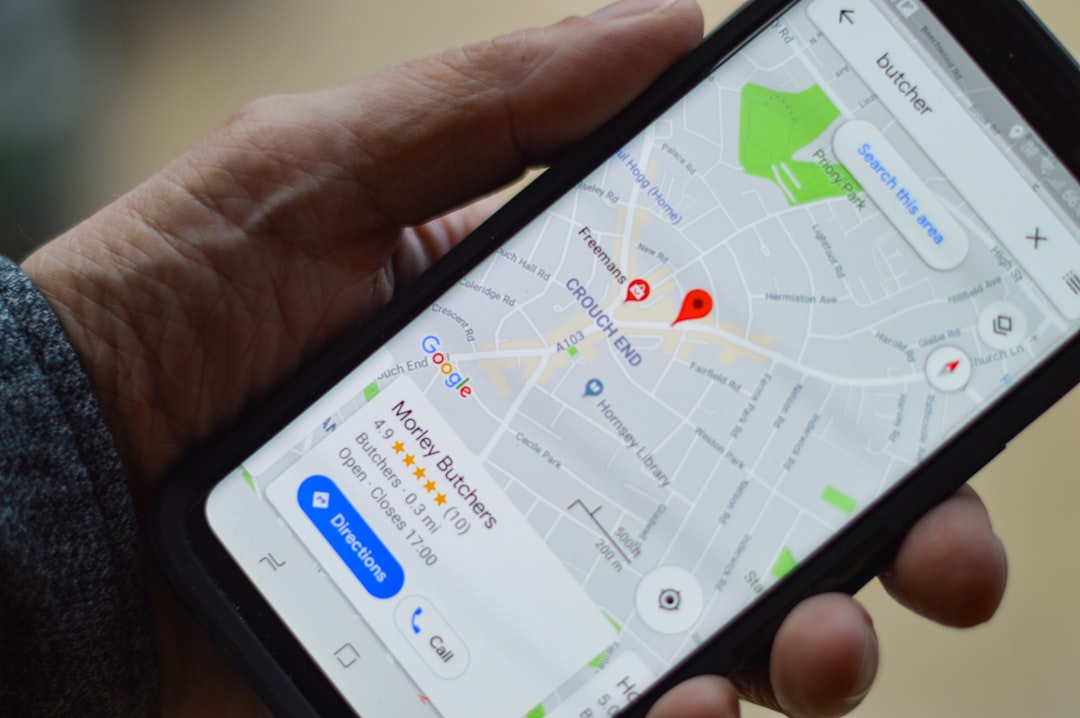
- Map listings: Useful for finding local businesses, branches, customer service lines, and directions.
- Reverse lookup tools: These help identify who may be behind an unknown call, though results vary widely.
For businesses, directories are often quite reliable because companies want to be found. For private individuals, results are less predictable, especially if the person uses only a mobile phone.
Why Mobile Numbers Are Harder to Find
In Canada, mobile phone numbers are generally treated as more private than traditional home phone listings. Many people never list their cell numbers publicly, and telecommunications providers do not usually publish broad mobile directories for general use. This protects consumers from unwanted calls, spam, and privacy risks.
If you are searching for a person’s mobile number, the most respectful approach is often the simplest: contact them through a known email address, social media profile, workplace, or mutual connection and ask for permission. A directory may help you confirm public contact information, but it should not be used to intrude on someone’s privacy.
How to Search Effectively
A good phone directory search is part technique and part patience. Try these practical steps:
- Start with the full name and city: Canada has many repeated names, so adding a province or municipality improves accuracy.
- Try alternate spellings: Names may include accents, hyphens, initials, or shortened versions.
- Search the number in quotation marks: This can help locate exact matches on websites or listings.
- Check business categories: If you do not know a company’s exact name, search by service type and location.
- Verify before calling: Cross-check with a company website, map listing, or official page.
If you are looking for a government office, school, hospital, bank, or utility provider, avoid relying only on third-party results. Go directly to the organization’s official website whenever possible, especially before sharing personal information.
Reverse Phone Lookup: Useful but Imperfect
Reverse lookup services can be helpful when you receive a call from an unknown number. They may show whether the number belongs to a business, a landline, a VoIP service, or a suspected spam caller. However, not every database is current, and numbers can be reassigned over time.
Be cautious with reverse lookup sites that promise unusually detailed personal data, require suspicious downloads, or pressure you into paid reports without showing clear value. A legitimate lookup can help you decide whether to return a call, but it cannot guarantee complete identity verification.
Privacy, Consent, and Responsible Use
Canada has strong expectations around privacy and responsible communication. While publicly listed phone numbers may be available, that does not mean they should be used carelessly. Avoid repeated unwanted calls, automated dialing, harassment, or collecting numbers for spam campaigns.
Businesses should also pay attention to rules around telemarketing, consent, and do not call requirements. If you are using directories for sales outreach, make sure your process respects applicable regulations and gives people a clear way to opt out.
Tips for Businesses Listing Their Numbers
If you run a Canadian business, directory visibility can make a real difference. Customers often search for a phone number when they are ready to ask a question, book an appointment, request a quote, or visit your location.
- Keep listings consistent: Use the same business name, address, and phone number across directories.
- Add hours and service areas: This helps customers know when and why to call.
- Use a local number when possible: Local area codes can build trust with nearby customers.
- Monitor outdated listings: Old phone numbers can frustrate callers and cost you leads.
- Include accessibility details: Mention TTY, relay service support, or multilingual lines if available.
Final Thoughts
A Canada phone number directory is still a valuable tool, even in an age of messaging apps and social media. It can help reconnect people, locate businesses, identify unknown callers, and confirm essential contact details. The key is to understand its limits: not every number is public, not every listing is current, and not every search result is trustworthy.
Use directories as a starting point, verify important information, and contact people respectfully. With the right approach, Canadian phone number searches can be efficient, useful, and privacy-conscious.