Every strong project begins long before the kickoff meeting. It starts with a clear request, the right questions, a fair evaluation process, and a simple way to approve or decline work. A free project intake form template with an approval workflow and scoring criteria helps teams stop chasing scattered emails, vague Slack messages, and incomplete requests—and start making better decisions with confidence.
TLDR: A project intake form captures essential project details in one structured place, while an approval workflow routes requests to the right decision-makers. Scoring criteria help teams compare ideas objectively based on value, urgency, effort, risk, and strategic fit. Together, these tools create a repeatable process for prioritizing the right projects and avoiding overloaded teams.
Why Project Intake Matters
Project requests often arrive from every direction: leadership, clients, sales teams, operations, marketing, product managers, or internal departments. Without a consistent intake process, teams may approve work based on whoever asks the loudest, not what creates the most value.
A well-designed intake form solves this by creating a single source of truth. It ensures every request includes the information needed to evaluate scope, resources, timing, expected outcomes, and business impact. Instead of asking follow-up questions repeatedly, approvers can review a complete request from the start.
Good intake is not bureaucracy—it is clarity. It protects teams from poorly defined work and helps stakeholders understand what makes a project viable.
What to Include in a Free Project Intake Form Template
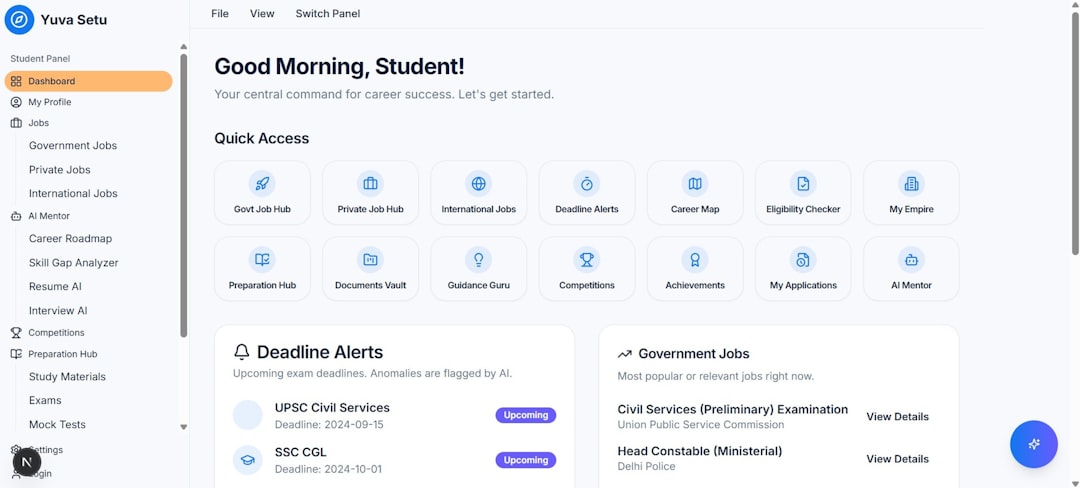
A practical project intake form should be detailed enough to support decision-making, but not so long that people avoid using it. The goal is to collect the most important information quickly and consistently.
Here are the essential sections to include:
- Requester information: Name, department, role, email, and primary contact details.
- Project title: A short, descriptive name that makes the request easy to identify.
- Project summary: A brief explanation of what the project is and why it is needed.
- Business objective: The goal the project supports, such as revenue growth, process improvement, compliance, customer satisfaction, or cost reduction.
- Problem statement: The issue, opportunity, or need the project is meant to address.
- Desired outcome: What success should look like when the project is complete.
- Target audience or users: Who will benefit from or be affected by the project.
- Deadline or preferred timeline: Requested delivery date, key milestones, or time sensitivity.
- Budget estimate: Available funding or expected cost range, if known.
- Required resources: People, tools, departments, vendors, or technical support needed.
- Risks and dependencies: Known blockers, compliance concerns, approval needs, or linked initiatives.
- Attachments: Supporting documents, briefs, mockups, data, research, or examples.
For internal use, the form can also include administrative fields such as request ID, submission date, project owner, current status, and reviewer notes.
Sample Project Intake Form Template
Below is a simple structure you can adapt for spreadsheets, forms, project management software, or internal portals:
- Request ID: Automatically assigned
- Date submitted: Automatically captured
- Requester name and department: Required
- Project name: Required
- Project description: 2–5 sentences
- Strategic goal supported: Select from predefined options
- Urgency: Low, medium, high, or critical
- Expected impact: Qualitative or quantitative description
- Estimated effort: Small, medium, large, or unknown
- Requested deadline: Date field
- Approver group: Department lead, PMO, finance, executive sponsor, or other
- Reviewer comments: Internal notes
- Final decision: Approved, rejected, deferred, or needs more information
This template can be used as a starting point and customized for different teams. A marketing team might add campaign channels and creative requirements, while an IT team might include security review, systems affected, and technical complexity.
Building an Approval Workflow
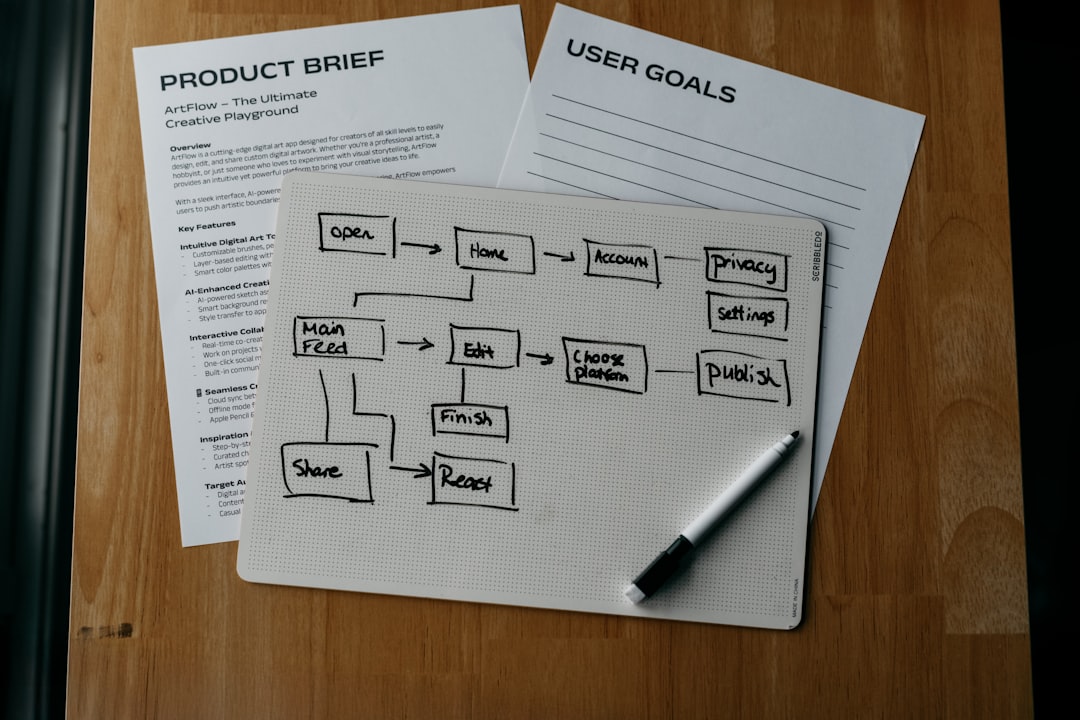
An approval workflow defines what happens after someone submits a request. Instead of letting requests sit in an inbox, the workflow moves each submission through predictable steps.
A simple workflow may look like this:
- Submission: The requester completes the intake form.
- Initial review: A project coordinator checks whether the request is complete.
- Clarification: If details are missing, the request is returned for updates.
- Scoring: Reviewers evaluate the request using standard scoring criteria.
- Approval meeting or review: Decision-makers compare requests and available capacity.
- Decision: The project is approved, declined, deferred, or placed in a backlog.
- Assignment: Approved work receives an owner, timeline, and next steps.
The workflow should also define who has authority at each stage. For example, small projects may only need department-level approval, while high-cost or cross-functional initiatives may require finance, legal, leadership, or portfolio review.
Using Scoring Criteria to Prioritize Projects
Scoring criteria bring objectivity to project selection. Without scoring, teams may rely on opinions, politics, or assumptions. With scoring, each request is evaluated against the same standards.
A common approach is to rate each category on a scale of 1 to 5, where 1 is low and 5 is high. You can then total the score or apply weights to categories that matter most.
Consider these scoring categories:
- Strategic alignment: How closely does the project support organizational goals?
- Business value: Will it increase revenue, reduce costs, improve customer experience, or create measurable benefit?
- Urgency: Is there a deadline, compliance requirement, market opportunity, or operational risk?
- Effort level: How much time, labor, budget, and complexity are involved?
- Risk: What are the technical, financial, operational, or reputational risks?
- Resource availability: Does the team have the capacity and skills to complete the work?
- Stakeholder impact: How many people, customers, or departments will benefit?
To make the scoring more useful, use a weighted formula. For example, strategic alignment and business value might each count for 30%, urgency for 20%, and effort and risk for 10% each. This prevents a quick but low-value project from outranking a more important initiative.
Example Scoring Model
Here is a straightforward model you can use:
- Strategic alignment: 1–5 points
- Business impact: 1–5 points
- Urgency: 1–5 points
- Customer or stakeholder value: 1–5 points
- Feasibility: 1–5 points
For feasibility, reverse the logic if needed: a high score should mean the project is realistic and achievable. A request with high impact but very low feasibility may still be worth discussing, but it should not be approved casually.
You can group total scores into decision bands:
- 21–25 points: Strong candidate for approval
- 16–20 points: Worth considering, may need refinement
- 11–15 points: Defer or request more information
- 10 points or below: Low priority or not recommended
Best Practices for a Smooth Intake Process
Even the best template needs thoughtful implementation. Keep the process transparent so requesters understand what happens after they submit a form. Publish review timelines, approval criteria, and decision expectations.
It is also helpful to limit required fields to what is truly necessary. If the form feels too demanding, people may bypass it. Start simple, then improve the template as recurring questions appear.
Review your scoring criteria regularly. Business priorities change, and your intake process should change with them. What mattered last quarter may not be the deciding factor today.
Finally, keep a record of rejected and deferred requests. Some ideas are not wrong—they are simply not right yet. A backlog of scored requests can become a valuable planning resource when capacity opens up.
Final Thoughts
A free project intake form template with an approval workflow and scoring criteria gives teams a fair, repeatable way to manage incoming work. It improves communication, reduces confusion, and helps decision-makers focus on projects that offer the greatest value.
By combining structured request details, defined approval steps, and objective scoring, organizations can move from reactive project selection to intentional portfolio planning. The result is less chaos, better prioritization, and a clearer path from idea to execution.