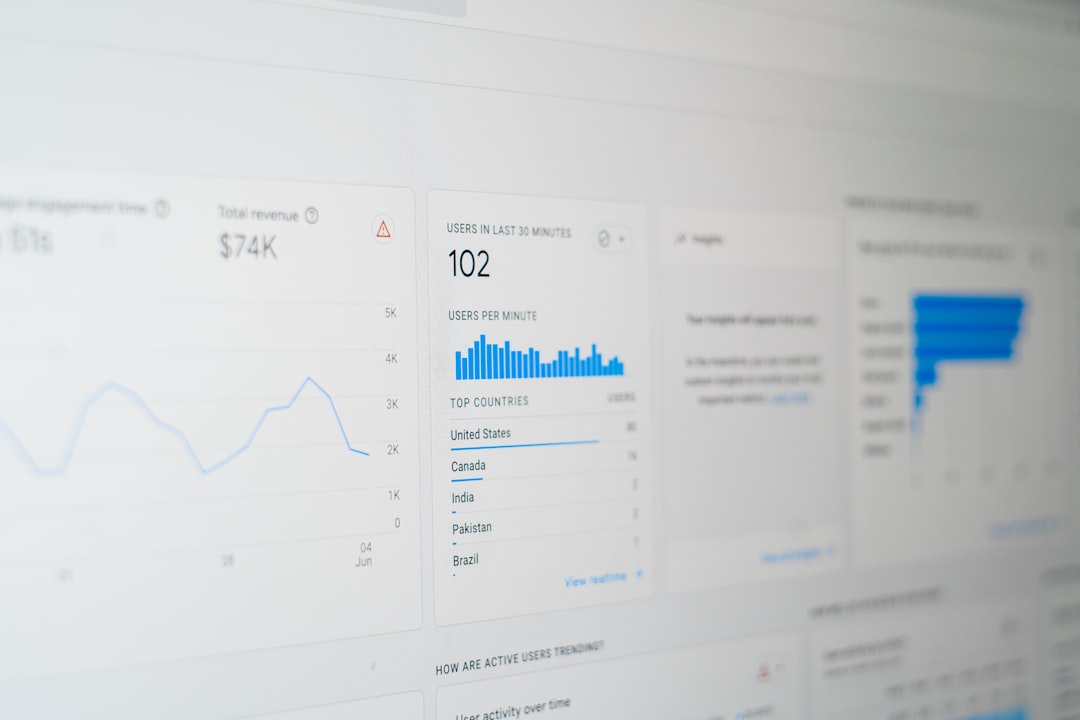
Growing an ecommerce brand can feel like building a rocket while it is already flying. Orders come in. Customers ask questions. Your team adds products. Then someone says, “Can we launch in three new markets?” This is where a smart Magento business strategy helps. It gives B2B and B2C brands a clear path to grow without chaos.
TLDR: Magento is powerful, but power needs a plan. Start with clear goals, clean data, strong customer journeys, and a scalable tech setup. B2B and B2C brands need different features, but both need speed, automation, and great user experience. Treat Magento as a growth platform, not just an online store.
Start With the Big Question
Before touching code, plugins, or themes, ask one simple question:
What does growth look like for your brand?
For one company, it may mean more direct sales. For another, it may mean better wholesale ordering. For another, it may mean global expansion. Magento can support all of these. But your plan must be clear.
A strong growth plan should define:
- Revenue goals: How much do you want to sell?
- Customer types: Are you selling to shoppers, companies, or both?
- Markets: Are you local, national, or global?
- Product complexity: Simple items, bundles, configurable products, or custom pricing?
- Operations: Who handles orders, stock, support, and returns?
Think of Magento like a big kitchen. It can cook almost anything. But you still need a recipe.
Know the Difference Between B2B and B2C Growth
B2C ecommerce is often fast and emotional. A shopper may see a product, love it, and buy it in two minutes. So the experience must be quick, beautiful, and easy.
B2B ecommerce is different. Buyers may need approval. They may order in bulk. They may need quotes, credit terms, custom catalogs, or repeat orders. The buying journey is longer. The stakes are higher.
This means your Magento setup should match your audience.
For B2C brands, focus on:
- Fast page speed
- Simple navigation
- Mobile shopping
- Easy checkout
- Personalized offers
- Reviews and social proof
For B2B brands, focus on:
- Company accounts
- Custom pricing
- Bulk ordering
- Request a quote tools
- Purchase approvals
- ERP and inventory integrations
If you serve both B2B and B2C, do not panic. Magento is built for that. Just avoid forcing every customer into the same journey. A retail shopper and a procurement manager are not the same person. They do not want the same experience.
Build on Clean Data
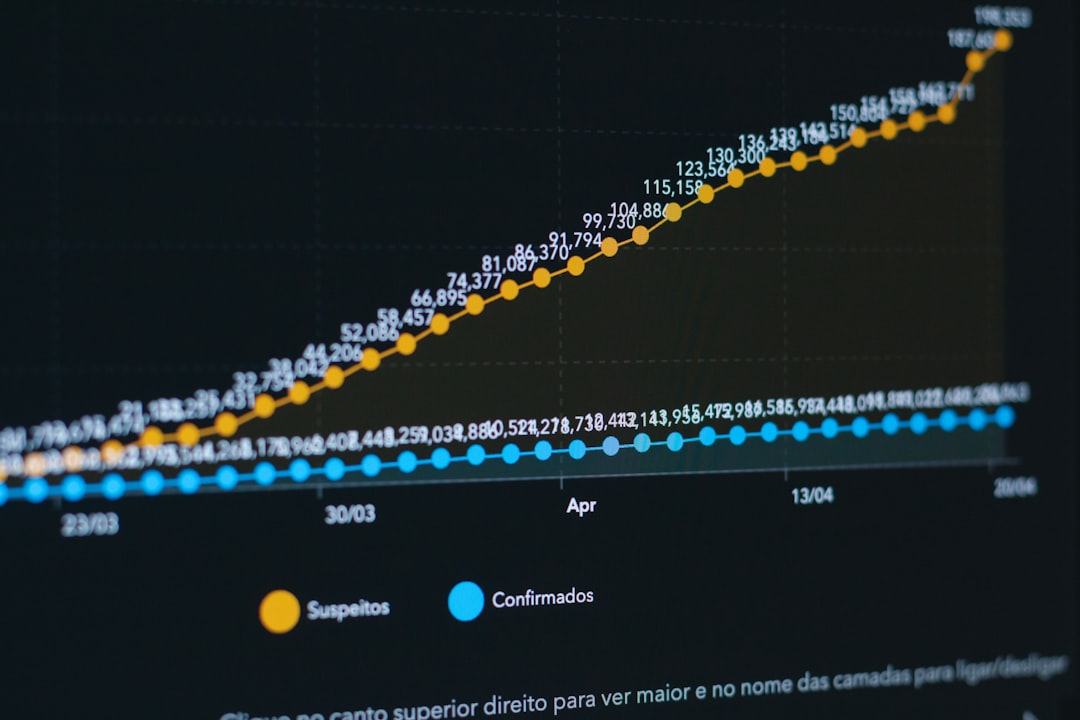
Data is not glamorous. It is not shiny. It does not wear sunglasses. But it runs the whole show.
Bad data creates bad ecommerce. Wrong stock levels cause canceled orders. Messy product names hurt search. Poor customer records ruin personalization.
Before scaling, clean your data. Start with the basics:
- Product names
- Descriptions
- Images
- Categories
- SKUs
- Prices
- Inventory rules
- Customer groups
For B2B, data matters even more. One customer may see special prices. Another may need a restricted catalog. Another may order by part number. If your data is messy, your sales team will spend all day fixing problems.
Clean data makes Magento faster to manage. It also makes your customers trust you more.
Design Customer Journeys, Not Just Pages
A pretty homepage is nice. But a smooth journey makes money.
Map the full customer path. Where do people start? Search engine? Email? Paid ad? Sales rep? Marketplace? Then ask what they need next.
A B2C journey may look like this:
- Customer sees an ad.
- They land on a product page.
- They read reviews.
- They add to cart.
- They checkout with one or two clicks.
- They get helpful emails after purchase.
A B2B journey may look like this:
- Buyer logs into a company account.
- They view their custom catalog.
- They reorder from past purchases.
- They request a quote.
- A manager approves it.
- The order syncs with your ERP.
Each step should feel simple. Remove friction. Cut extra clicks. Make search useful. Make product pages clear. Make checkout boring. Yes, boring. Checkout is not the place for surprises.
Choose the Right Magento Architecture
Scalability starts with the right foundation. If your site is slow with 500 products, it will not magically become fast with 50,000 products.
Your Magento architecture should support your growth plan. This includes hosting, performance, integrations, security, and development workflows.
Key areas to plan include:
- Hosting: Choose a setup that can handle spikes in traffic.
- Performance: Use caching, image optimization, and clean code.
- Integrations: Connect ERP, CRM, PIM, shipping, tax, and payment systems.
- Security: Keep patches, permissions, and payment data safe.
- Testing: Test changes before they go live.
You may also consider headless commerce. This means the frontend is separate from the Magento backend. It can offer more design freedom and better speed. But it also adds complexity. Use it when it solves a real business problem, not because it sounds trendy.

Use Automation Like a Superpower
Manual work does not scale well. It gets slow. It gets expensive. It also creates mistakes.
Magento can help automate many tasks. That means your team can focus on growth instead of copy-pasting order details all day.
Good automation ideas include:
- Order status updates
- Inventory syncing
- Customer segmentation
- Abandoned cart emails
- Reorder reminders
- Invoice generation
- Shipping notifications
- Product feed updates
For B2B, automation can be a game changer. Buyers can reorder quickly. Sales reps can view account history. Finance teams can manage invoices faster. Everyone saves time. Everyone smiles more. Usually.
Plan for Personalization
People like to feel seen. Companies do too.
Magento allows brands to create personalized experiences. B2C shoppers can see product recommendations, offers, and content based on behavior. B2B buyers can see account-specific prices, catalogs, and order forms.
Start simple. You do not need a giant personalization engine on day one. Try these first:
- Show related products.
- Create customer groups.
- Offer loyalty discounts.
- Display recently viewed items.
- Send targeted email campaigns.
- Show contract pricing for B2B accounts.
Personalization should help customers buy faster. It should not feel creepy. Useful is good. Weird is bad.
Measure What Matters
You cannot grow what you do not measure. But do not drown in numbers. Pick the metrics that match your goals.
Track metrics like:
- Conversion rate: How many visitors buy?
- Average order value: How much do customers spend?
- Customer lifetime value: How much is one customer worth over time?
- Cart abandonment: Where do shoppers leave?
- Repeat purchase rate: Do customers come back?
- Site speed: Is your store fast enough?
- B2B reorder rate: Are business buyers using self-service?
Review these numbers often. Look for patterns. Then test changes. Improve product pages. Adjust pricing. Upgrade search. Simplify checkout. Small wins add up.
Create a Roadmap, Not a Wishlist
Every ecommerce team has ideas. Many ideas. Too many ideas. A roadmap keeps everyone sane.
Divide your Magento growth plan into phases.
Phase one: Fix the foundation. Improve speed, data, checkout, and core integrations.
Phase two: Improve the customer experience. Add better search, personalization, content, and mobile design.
Phase three: Scale sales. Add new markets, advanced B2B tools, loyalty programs, and automation.
Phase four: Optimize. Use analytics, A/B testing, and customer feedback to keep improving.
This keeps your team focused. It also helps leaders understand what is happening and why.
Do Not Forget the Human Side
Magento is a platform. People still make it work.
Your sales, marketing, ecommerce, warehouse, finance, and support teams must understand the plan. If one team is left out, problems appear fast.
Train your teams. Document your processes. Listen to customer feedback. Ask sales reps what buyers complain about. Ask support teams what confuses shoppers. They know things dashboards cannot tell you.
Final Thoughts
A scalable Magento business strategy is not about adding every feature at once. It is about building the right system in the right order. Start with goals. Clean your data. Design smart journeys. Automate the boring stuff. Measure results.
For B2B and B2C brands, Magento can be a serious growth engine. But only when strategy leads the way. Build the plan first. Then build the store. Your future self will thank you. Probably with coffee.