
Use Microsoft Word if you need a clean, formal, and easily editable 2 week notice letter; use Canva only if the resignation letter is for a less traditional workplace and design matters. For most employees, a plain letter with correct spacing, a clear resignation date, and a respectful tone is better than a visually styled document. A resignation letter is not a portfolio piece. It is a professional record.
TLDR: Microsoft Word is usually the safest choice for a professional 2 week notice because it creates simple, printable, HR friendly documents. Canva can work, but it may add design elements that feel unnecessary for a formal resignation. For example, if an employee named Maria resigns from an accounting firm, a one page Word letter with her final work date clearly stated will likely be better received than a colorful Canva template. In a 2023 ResumeLab survey, 80% of hiring managers said professionalism in written communication affects their opinion of a candidate or employee, so the format matters.
What a 2 Week Notice Format Should Include
A proper 2 week notice letter should be short, direct, and calm. It does not need drama. It does not need a long explanation. It should give your employer the facts they need and leave a professional paper trail.
- Your name and contact details
- The date you submit the letter
- Your manager’s name and company name
- A clear resignation statement
- Your final working day
- A brief thank you
- An offer to help with the transition
- Your signature
The best format is usually one page. Use a standard font such as Arial, Calibri, Times New Roman, or Aptos. Keep the font size around 11 or 12 points. Use normal margins. This is not the place for fancy borders or bright colors.
Microsoft Word: The Best Choice for Most Resignation Letters
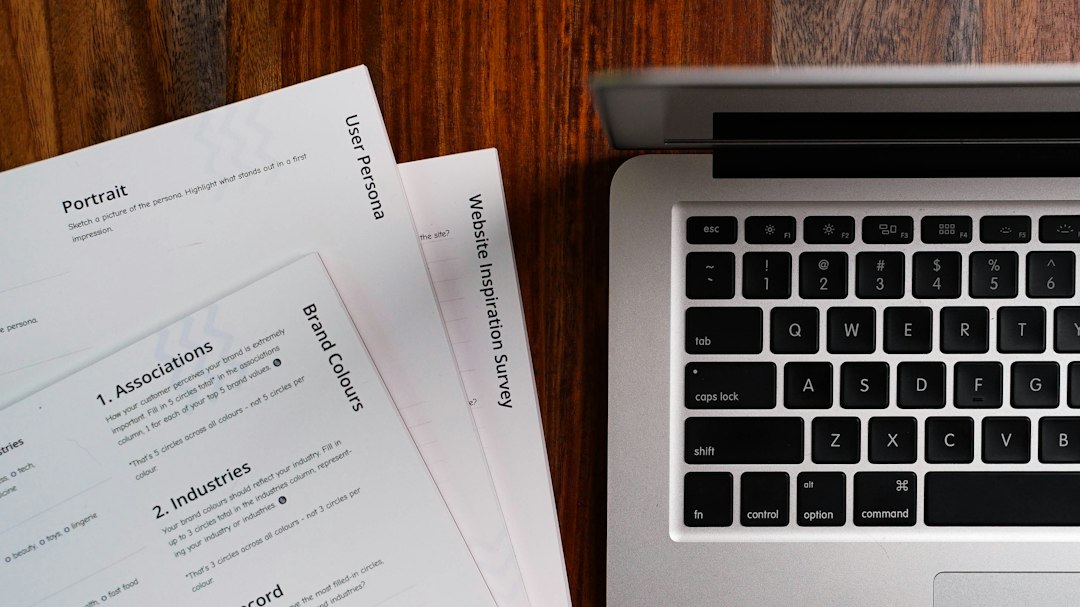
Microsoft Word is the most reliable tool for a 2 week notice letter. It is built for formal documents, and most HR teams are used to receiving Word files or PDFs created from Word. The structure is predictable. The spacing is easy to control. The file can be printed without weird layout shifts.
Word also works well if your workplace expects a traditional business letter. You can align your contact details at the top, add the date, address the manager, and write the message in a clean block format. That alone makes the document feel serious.
Another benefit is version control. You can save the letter as a Word document, export it as a PDF, and keep both copies. If your manager asks for a signed version, you can print it or add a digital signature. No fuss.
The catch is that Word templates can feel dated. Some have awkward spacing. Some include decorative lines that do nothing useful. Expect to spend a few extra minutes deleting filler text, fixing margins, and making the document look less like a sample from 2008.
Canva: Useful, but Easy to Overdo
Canva is better for visual documents than formal resignation letters. It offers attractive templates and a simple drag and drop editor. If you work in fashion, media, marketing, design, events, or a casual startup, a restrained Canva resignation letter may be acceptable.
Still, use caution. A resignation letter should not look like a flyer. If the template has icons, large color blocks, oversized headers, or decorative graphics, skip it. Those details can make the letter feel less serious, even if the wording is correct.
Honestly, it feels like Canva sometimes makes a simple task take longer because you start adjusting colors, boxes, and spacing instead of writing the actual resignation. A task that should take 10 minutes can turn into 25 minutes because one text box keeps snapping to the wrong spot.
If you use Canva, choose a plain template. Stick with black text on a white or very light background. Export the final letter as a PDF. Before sending it, open the PDF and check the spacing, page break, file name, and signature area.

Google Docs: A Strong Free Alternative
Google Docs is a practical choice if you do not have Word. It is free, easy to share, and good enough for a clean resignation letter. The interface is simple, and the formatting tools are familiar.
Google Docs also helps if you need to draft the letter on one device and finish it on another. You can write it at home, review it on your phone, and export it as a PDF before sending it to your manager.
There are a few downsides. Formatting can shift when exporting to Word format. Some fonts may not transfer well. If you want the most stable final version, send a PDF rather than a shared editing link. A resignation letter should feel final, not like a collaborative draft.
PDF Editors and Online Letter Builders
PDF editors can help when you already have a finished letter and only need to sign it. Adobe Acrobat, Preview on Mac, and several browser based tools let you add a signature and save a final copy.
Online resignation letter builders can also be useful. They ask for your name, position, company, and final work date. Then they generate a basic letter. This can save time, especially if you feel stuck writing the first sentence.
Be careful with privacy. A resignation letter may include your name, employer, job title, and departure date. Do not paste sensitive employment details into random websites unless you trust the service. If the tool looks crowded with ads or asks for unnecessary personal data, leave.
Best Format for a Professional 2 Week Notice
A strong 2 week notice format usually follows this order:
- Date: Place the submission date at the top.
- Recipient: Address your direct manager or HR contact.
- Opening statement: Say you are resigning and name your role.
- Final day: State the exact date of your last working day.
- Thanks: Add one sincere sentence of appreciation.
- Transition support: Offer reasonable help before leaving.
- Closing: Use “Sincerely” or “Best regards.”
Here is a simple wording example:
“Please accept this letter as formal notice of my resignation from my position as Marketing Coordinator at Greenfield Partners. My last working day will be Friday, March 15, 2026. Thank you for the opportunities and support I have received during my time with the company. I will do my best to assist with the transition during my notice period.”
This wording is clear. It avoids blame. It gives HR the date they need. That is the goal.
Microsoft Word vs Canva: Quick Comparison
| Tool | Best For | Main Risk |
|---|---|---|
| Microsoft Word | Traditional, formal resignation letters | Old looking templates |
| Canva | Creative workplaces and polished PDFs | Too much design |
| Google Docs | Free drafting and easy access | Formatting shifts during export |
| PDF editors | Signing and final delivery | Limited editing after export |
Common Formatting Mistakes to Avoid
Do not use a casual subject line if sending by email. “My notice” sounds weak. Use something clear, such as “Formal Resignation Notice” or “Resignation Letter Effective March 15.”
Do not bury the final working day. Put it in the first paragraph. Managers and HR staff should not have to search for it.
Do not write a long complaint letter. If you need to discuss problems, use an exit interview or a separate conversation. Your resignation letter should stay clean and factual.
Do not rely only on a Canva image file. Send a PDF. An image can look unprofessional, may be hard to print, and may not work well with HR filing systems.
Final Recommendation
For most employees, Microsoft Word is the best tool for creating a professional 2 week notice letter. It is familiar, serious, and easy to convert into a clean PDF. Google Docs is the best free substitute. Canva is fine only when used with restraint.
The right resignation letter does not need to impress anyone with design. It needs to confirm your resignation, state your last day, and protect your professional reputation. Keep it simple. Keep it respectful. Save a copy for your records.