Whether you are weighing coffee beans, comparing shipping labels, following a recipe from abroad, or checking fitness nutrition data, knowing how to convert an ounce en kilogramme is surprisingly useful. The ounce belongs to the imperial and US customary systems, while the kilogram is the standard unit of mass in the metric system. Because products, recipes, and parcels often cross borders, this simple conversion can save time, money, and confusion.
TLDR: To convert ounces to kilograms, multiply the number of ounces by 0.0283495. For example, 16 ounces = 0.453592 kilograms, which is about half a kilogram. In a small kitchen scenario, if a baker uses 32 ounces of flour instead of estimating, that equals about 0.907 kg, improving accuracy and reducing ingredient waste by roughly 5–10% in repeated batches.
What Is an Ounce?
An ounce, often abbreviated as oz, is a unit of weight commonly used in the United States, the United Kingdom, and a few other places for everyday measurements. You will see ounces on food packaging, postal scales, supplement labels, and recipes. One ounce is relatively small: a slice of bread, a handful of nuts, or a small portion of cheese may weigh around one ounce.
It is important to know that there are different types of ounces. The most common for weight conversion is the avoirdupois ounce, used for ordinary goods. There is also the troy ounce, mainly used for precious metals such as gold and silver. In this article, “ounce” refers to the standard avoirdupois ounce unless otherwise noted.
What Is a Kilogram?
A kilogram, abbreviated as kg, is the base unit of mass in the International System of Units. It is used almost everywhere in science, trade, medicine, sports, and daily life. A standard bag of sugar in many countries weighs 1 kilogram, and a typical laptop may weigh between 1 and 2 kilograms.
The kilogram is larger than the ounce, so ounce-to-kilogram conversions often produce decimal numbers. This is normal. For example, a 10-ounce package does not become a whole number of kilograms; it becomes approximately 0.283 kg.
Ounce en Kilogramme: The Conversion Formula
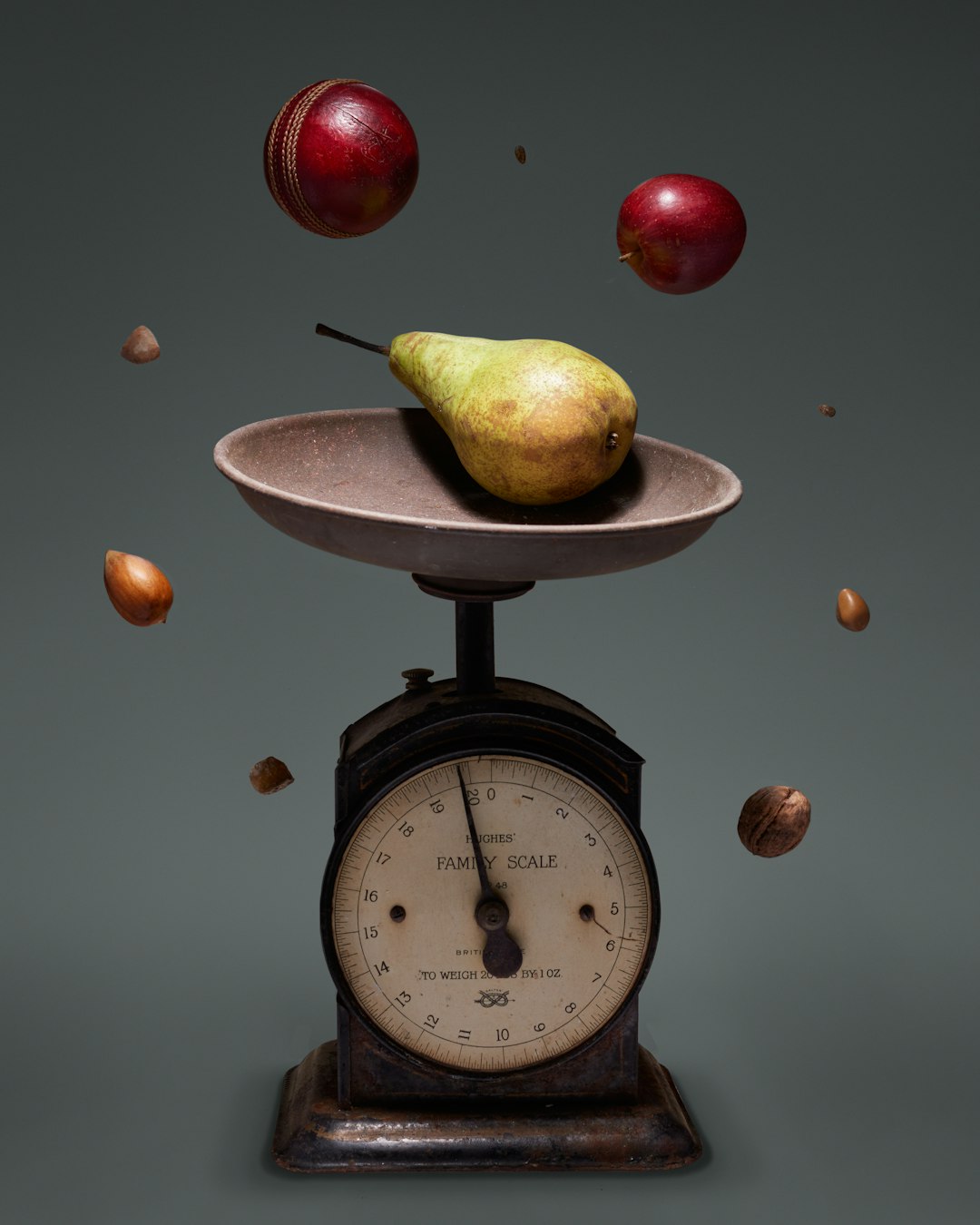
The exact conversion from ounces to kilograms is:
1 ounce = 0.028349523125 kilograms
For most everyday tasks, you can use the rounded version:
kilograms = ounces × 0.0283495
If you need a quick mental estimate, you can remember that 35.274 ounces equal 1 kilogram. This means that an ounce is a little less than 3% of a kilogram. If precision does not matter much, such as when estimating grocery weight, you can use 1 ounce ≈ 0.028 kg.
Example Calculation
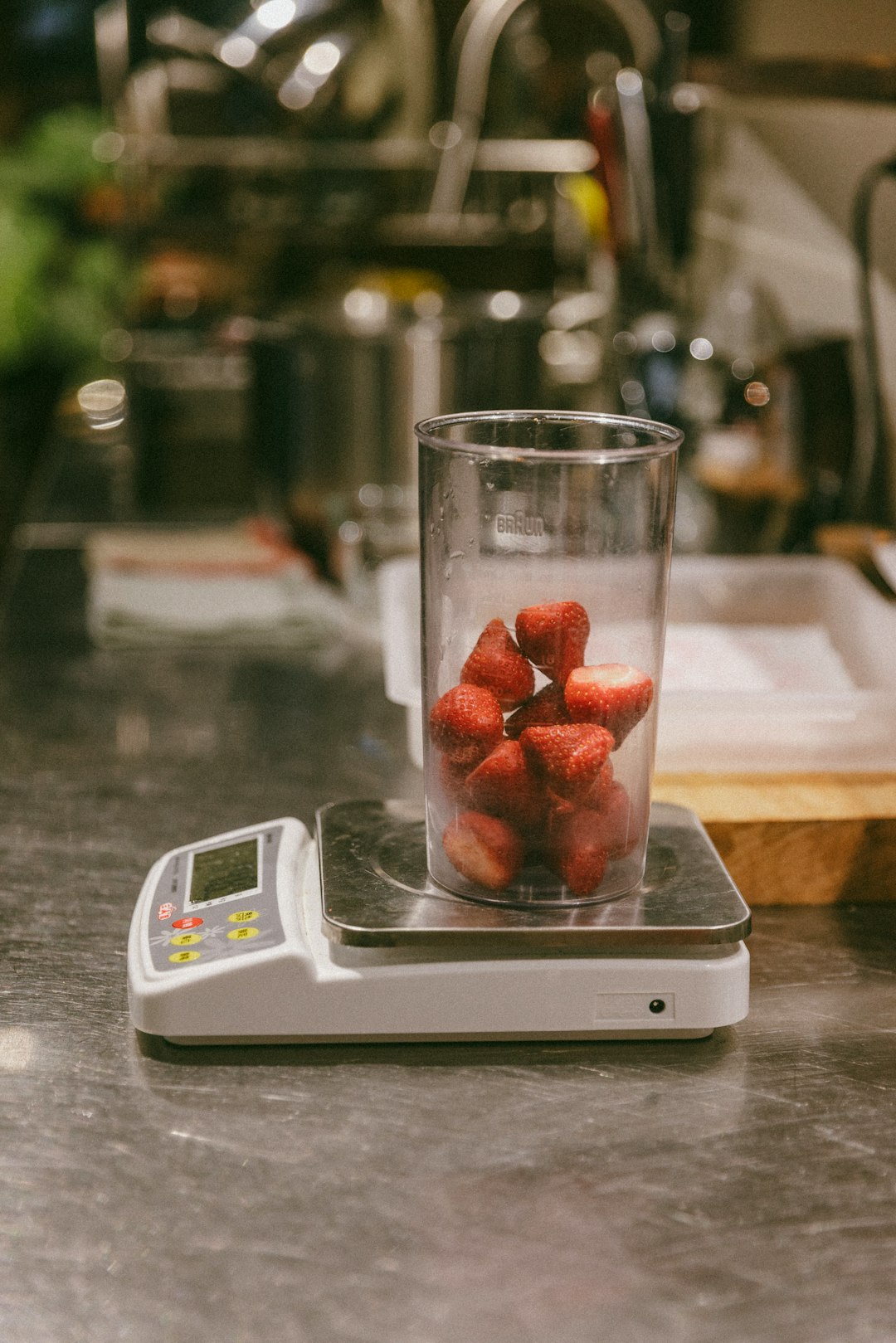
Suppose a recipe calls for 24 ounces of tomatoes, but your kitchen scale displays kilograms. Use the formula:
- 24 × 0.0283495 = 0.680388 kg
- Rounded result: 24 ounces ≈ 0.68 kg
So, you would need a little over two-thirds of a kilogram of tomatoes.
Ounces to Kilograms Conversion Table
The table below gives quick conversions for common ounce values. These are rounded to three decimal places for easy everyday use.
| Ounces | Kilograms | Everyday Comparison |
|---|---|---|
| 1 oz | 0.028 kg | Small snack portion |
| 4 oz | 0.113 kg | Small steak or cheese portion |
| 8 oz | 0.227 kg | Half a pound |
| 12 oz | 0.340 kg | Can or medium package |
| 16 oz | 0.454 kg | One pound |
| 24 oz | 0.680 kg | Large food package |
| 32 oz | 0.907 kg | Almost 1 kilogram |
| 35.274 oz | 1.000 kg | Exactly one kilogram |
| 64 oz | 1.814 kg | About four pounds |
| 100 oz | 2.835 kg | Small shipping parcel |
Everyday Examples of Ounce to Kilogram Conversion
1. Cooking and Baking
Recipes can be tricky when they come from different countries. American recipes often list ingredients in ounces, while many European and international kitchens use grams or kilograms. If a cake recipe calls for 10 ounces of butter, converting it gives:
10 × 0.0283495 = 0.283 kg
That is 283 grams, since 1 kilogram equals 1,000 grams. In cooking, converting to grams may be more practical than kilograms, especially for smaller amounts.
2. Shipping and Online Shopping
Shipping costs are often based on package weight. A seller may list an item as weighing 48 ounces, while your courier calculator asks for kilograms. Convert it like this:
48 × 0.0283495 = 1.361 kg
This matters because many shipping price brackets change at specific weight limits. A package weighing 1.36 kg may cost less than one rounded up to 2 kg, depending on the carrier. Accurate conversion can help you avoid overpaying.

3. Fitness and Nutrition
Food tracking apps, protein powders, and meal plans often mix measurement systems. A nutrition label might say one serving is 2 ounces, but your meal plan tracks food in kilograms or grams. Two ounces equals:
2 × 0.0283495 = 0.0567 kg, or about 57 grams.
For athletes, this level of accuracy can be meaningful. If you measure chicken, rice, or nuts daily, a difference of even 20–30 grams per meal can noticeably affect calories and macronutrients over a full week.
4. Travel and Luggage
Airlines usually set baggage limits in kilograms, but travel accessories may show weights in ounces. If a travel backpack weighs 40 ounces, then:
40 × 0.0283495 = 1.134 kg
That means the empty bag already uses more than 1 kilogram of your luggage allowance. If your airline limit is 7 kg for carry-on baggage, the backpack alone accounts for about 16% of the allowed weight.
How to Convert Kilograms Back to Ounces
Sometimes you need the reverse conversion. To convert kilograms to ounces, use this formula:
ounces = kilograms × 35.274
For example, if a package weighs 2 kilograms:
- 2 × 35.274 = 70.548 ounces
- So, 2 kg ≈ 70.55 oz
This reverse formula is useful when comparing international product listings or converting metric weights for an American recipe.
Common Mistakes to Avoid
- Confusing ounces with fluid ounces: An ounce measures weight, while a fluid ounce measures volume. They are not automatically interchangeable.
- Rounding too early: If precision matters, keep more decimal places until the final answer.
- Using troy ounces by accident: Precious metals use troy ounces, which have a different conversion.
- Forgetting grams: For small food amounts, converting ounces to grams is often easier than using kilograms.
Quick Tips for Remembering the Conversion
If you do not want to calculate every time, here are a few memory-friendly shortcuts:
- 1 oz ≈ 28.35 g
- 16 oz ≈ 0.454 kg
- 32 oz ≈ 0.907 kg
- 35.274 oz = 1 kg
The most useful everyday trick is remembering that about 35 ounces make one kilogram. This gives you a fast estimate when shopping, cooking, or checking luggage weight.
Final Thoughts
Converting an ounce en kilogramme is simple once you know the formula: multiply ounces by 0.0283495. The conversion is especially helpful for recipes, shipping, nutrition tracking, travel, and international shopping. While exact calculations are best for professional or technical use, rounded values are usually enough for daily life. Keep the key numbers in mind, and you will be able to move confidently between imperial and metric measurements whenever you need to.