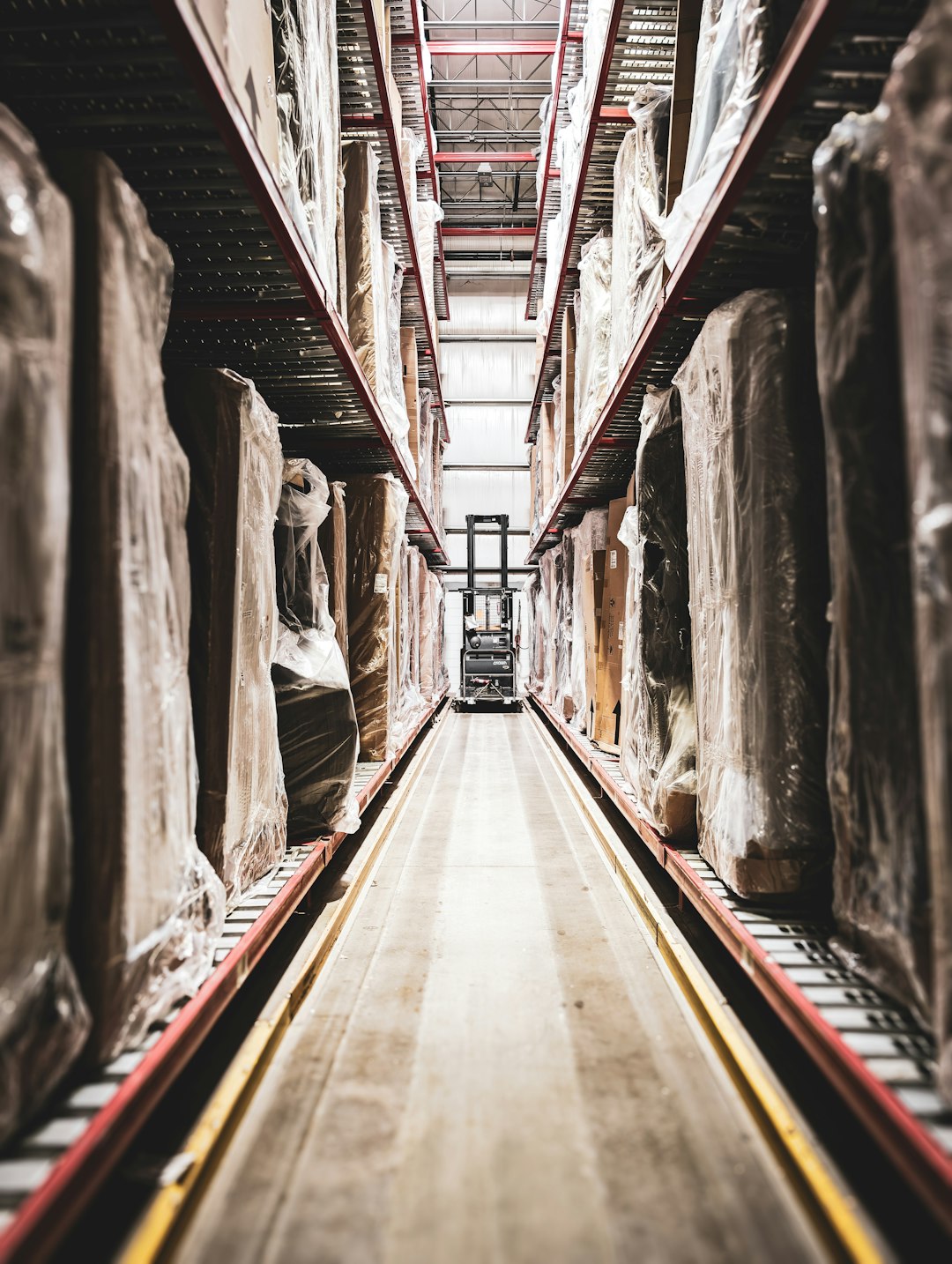
A distributor is the business middle layer that buys, stores, manages, and moves products from manufacturers to resellers, retailers, system integrators, or end customers. In technology and supply chains, distributors do far more than ship boxes. They manage inventory risk, credit, compliance, training, software licensing, returns, and market access. A good distributor reduces friction; a weak one adds cost, delay, and confusion.
TLDR: Distributors connect producers with the businesses that sell, install, or use their products. In technology, a distributor might help a reseller source 500 laptops, 2,000 software licenses, and warranty support through one ordering portal. If that distributor has a 98% order fill rate and ships 80% of stocked items within 24 hours, the reseller can serve customers faster without holding large inventory. The value is simple: fewer supplier relationships, faster access to stock, and better operational control.
What Does a Distributor Do?
A distributor purchases goods from a manufacturer or vendor and makes those goods available to other businesses. That sounds basic, but the role is broad. Distributors sit between production and sale, absorbing many tasks that manufacturers and sellers do not want to handle every day.
Common distributor responsibilities include:
- Buying inventory from manufacturers in bulk.
- Storing products in warehouses or fulfillment centers.
- Processing orders from dealers, retailers, resellers, or enterprise buyers.
- Managing logistics, including shipping, tracking, and returns.
- Offering credit terms to approved business customers.
- Handling compliance, import rules, warranties, and documentation.
- Supporting sales channels with training, pricing, and technical information.
In plain terms, distributors make markets work more smoothly. A manufacturer can focus on building products. A reseller can focus on customers. The distributor handles much of the operational burden in between.

How Distributors Differ From Wholesalers and Resellers
The terms are often mixed together, but they are not identical.
- Manufacturer: Creates or owns the product.
- Distributor: Buys from the manufacturer and supplies business channels.
- Wholesaler: Usually buys in bulk and sells large quantities, often with less technical support.
- Reseller: Sells products to end customers, often with services attached.
- Retailer: Sells directly to consumers or businesses, online or in stores.
A distributor may act like a wholesaler in some cases, but technology distribution is usually more complex. It often includes product configuration, licensing, vendor authorization, technical training, financing, and post-sale support.
The Role of Distributors in Technology
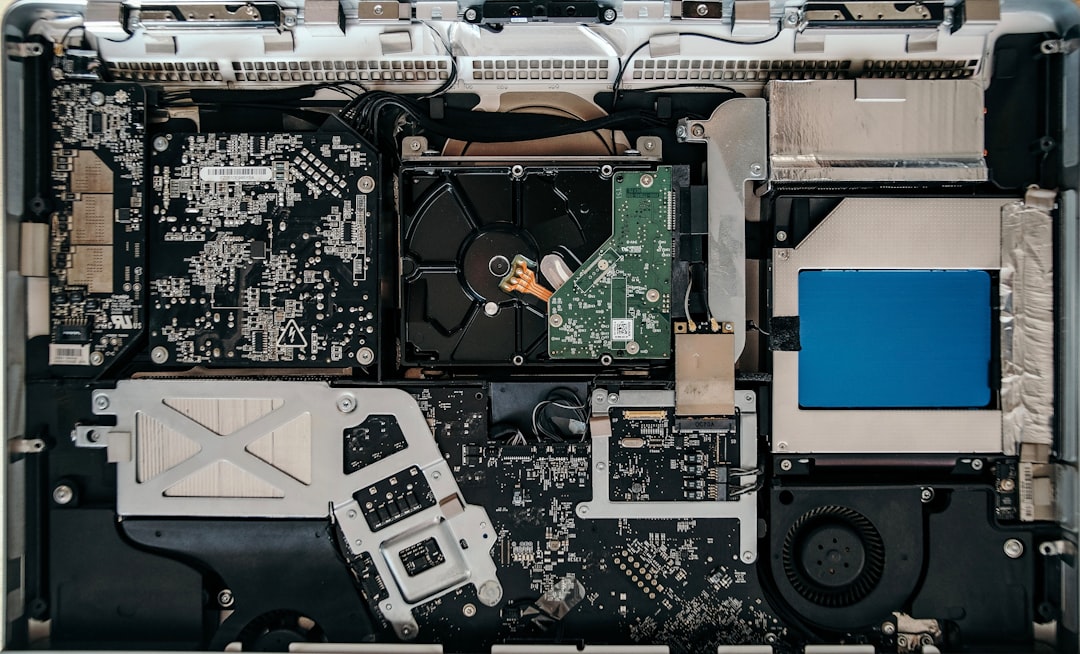
Technology distribution covers hardware, software, cloud services, security tools, networking equipment, components, and consumer electronics. It is one of the clearest examples of why distributors matter.
A technology distributor may supply laptops, servers, routers, monitors, storage devices, endpoint security licenses, productivity software, and cloud subscriptions. Instead of a reseller opening accounts with 40 vendors, the reseller can buy through one distributor with agreed pricing and payment terms.
The catch is that systems are not always pleasant. Some distributor portals still bury license renewals behind too many screens. It can take 30 seconds to find a serial number that should have been visible on the first page. That small delay becomes painful when a reseller manages hundreds of renewals per month.
Still, the best technology distributors add real value. They provide:
- Product availability data across regions and warehouses.
- Vendor certifications and partner program support.
- Cloud marketplaces for subscriptions and usage billing.
- Technical pre-sales help for complex solutions.
- Configuration services, such as imaging laptops before shipment.
- Security and compliance guidance for regulated industries.
Why Manufacturers Use Distributors
Manufacturers use distributors because direct selling is expensive and hard to scale. A vendor that makes network equipment may not want to manage thousands of small reseller accounts, tax documents, credit checks, and local shipments. A distributor already has that structure.
Distributors also give manufacturers reach. They know local markets, established resellers, regional demand patterns, and seasonal buying behavior. They can help launch products into new countries or industries without forcing the manufacturer to build a large local team first.
For technology vendors, this is especially useful. A cybersecurity company may create strong software but lack billing systems for hundreds of regional partners. A distributor can handle subscription ordering, renewal notices, partner training, and first-level channel support.
Why Buyers and Resellers Use Distributors
Buyers use distributors to save time and reduce supply risk. A reseller may need hardware from one vendor, software from another, cables from a third, and warranties from a fourth. Ordering each item separately wastes time and creates more chances for errors.
A distributor can package those needs into one workflow. That includes pricing, availability, shipping, invoicing, and support. For resellers, the benefit is not only margin. It is speed and control.
Consider a managed service provider serving 120 small businesses. It may need replacement laptops, backup software, firewalls, and Microsoft or Google subscriptions every week. With a reliable distributor, the provider can standardize procurement and avoid tying up cash in every possible product it might need later.
Distributors in Supply Chains
In supply chains, distributors act as buffers. They hold inventory closer to demand. That reduces lead times and protects buyers from short-term production delays. During shortages, this role becomes highly visible.
For example, if a factory in Asia produces point-of-sale terminals, a regional distributor in Europe may hold stock near retailers and installers. When a supermarket chain needs 300 units for new stores, the distributor can ship from local stock instead of waiting weeks for factory production and international freight.
Distributors also improve supply chain visibility when their systems are good. Buyers can see stock levels, estimated delivery dates, backorder status, and substitute products. Honestly, it feels like a waste when a distributor has the stock but poor data makes customers call three people just to confirm it. Good information is part of the product.

Types of Distributors
Not all distributors work the same way. The main types include:
- Exclusive distributors: The only authorized distributor for a product in a defined area or channel.
- Selective distributors: One of a limited group approved by the manufacturer.
- Mass-market distributors: High-volume suppliers serving many customers and product categories.
- Value-added distributors: Specialists that add services such as training, configuration, implementation support, or technical design.
- Industrial distributors: Suppliers of parts, tools, machinery, and maintenance products for factories and field operations.
In technology, value-added distributors are especially common. They may help resellers design security stacks, build cloud bundles, manage renewals, or train sales teams on complex products.
What Makes a Good Distributor?
A strong distributor is measured by more than low prices. Price matters, but reliability often matters more. A cheap distributor that ships late or gives poor stock data can damage customer relationships.
Key qualities include:
- Accurate inventory data that updates quickly.
- Reliable fulfillment with clear delivery timelines.
- Fair credit terms and clean invoicing.
- Vendor authorization and proper compliance controls.
- Skilled support teams that understand the products.
- Simple returns handling for defects, errors, and warranties.
- Useful digital tools, including APIs, EDI, order tracking, and renewal dashboards.
For businesses choosing a distributor, the best test is operational. Ask how often orders ship complete. Ask how stock data is refreshed. Ask what happens when a product fails. Ask whether support is available before a large deal is quoted, not only after payment is made.
Risks and Limits
Distributors are helpful, but they are not magic. They can create dependency. If one distributor controls a key product line, buyers may face limited pricing power or supply options. Poor distributor performance can also hide problems until customers are already affected.
There are also channel conflicts. A manufacturer may sell directly to large customers while also asking distributors to support resellers. That can create tension around pricing, account ownership, and margins.
Businesses should avoid treating distributor relationships as set-and-forget arrangements. Review service levels, delivery accuracy, payment terms, and return performance at least once or twice a year. For critical goods, keep backup options where possible.
The Bottom Line
Distributors are essential connectors in business. They move products, manage risk, support sales channels, and make supply chains more efficient. In technology, their role is even broader because products often require licensing, configuration, renewals, and technical knowledge.
The right distributor can help a business sell faster, carry less inventory, and serve customers with fewer delays. The wrong one can slow every order down. Treat distributors as strategic operating partners, not just vendors with warehouses.